Author: Nancy McCready

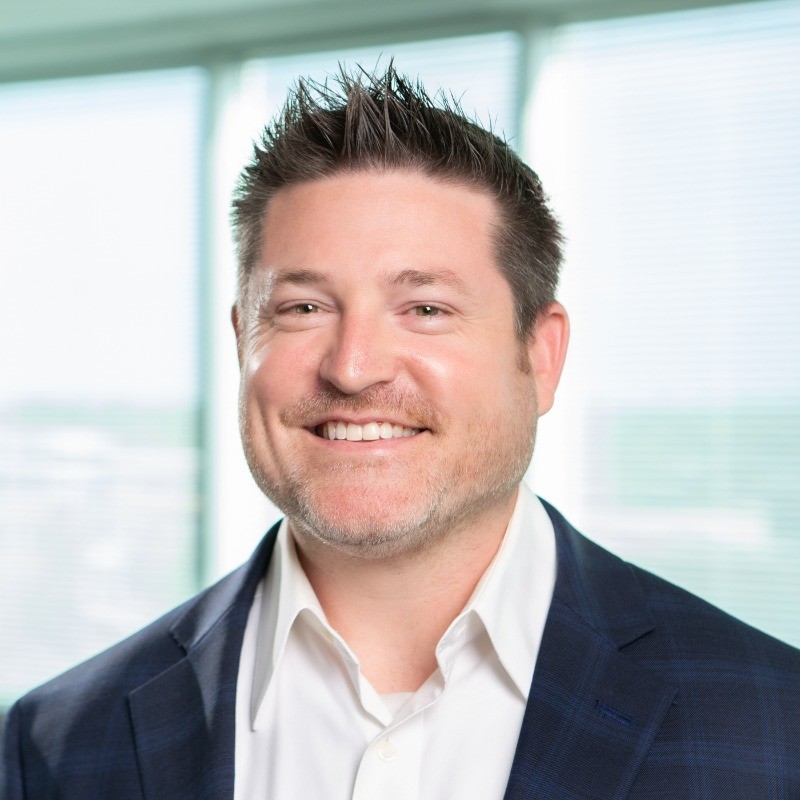
Podcast episode 31: Mike Perry

Welcome to the Pioneers in Health podcast. In this podcast, we share inspiring stories of pioneering leaders from our nation and from your backyard who are working to improve health.

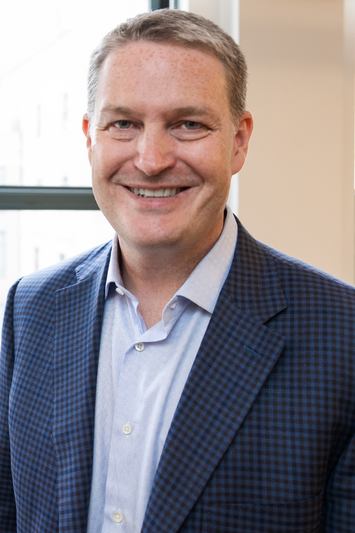
In episode 31, we interview Mike Perry, partner and co-founder at the public opinion research firm PerryUndem.

Before co-founding PerryUndem in 2013, Mike was a partner for 16 years at the national polling firm Lake Research Partners.

Through public opinion research, Mike works to bring the voice of those most affected by today’s issues into the policymaking process. He works mainly with nonprofit organizations and foundations and has briefed members of Congress, White House officials, state-elected officials, journalists, activists and others on his findings.

He works on a wide variety of social issues but specializes in health care research. He holds a master’s degree from the University of Southern California.

In this episode, he discusses how he found his way into public opinion research, including how growing up with a father who was a family physician helped inspire his later concentration on health care issues.

He said he was unfocused in college but graduated with an English degree and then pursued a graduate degree in international relations. Upon graduation, he returned to his hometown of Washington, D.C., assuming he would find a job doing something international. However, he needed money and the first job he accepted happened to be in public policy research.

“I stumbled into this career and found out I loved it,” he said. “I love doing focus groups, I love doing surveys, I love asking people about their lives, so it all really started there.”

He discusses how over the course of his career he has seen the public opinion on health care evolve to become more divided. He said it’s become politicized, especially after the Affordable Care Act was created and became targeted by politicians. The collective approach that had existed to health care was torn apart, he said.

“It’s sort of been hard to get us back to that place of common ground on health care,” he said.

He discusses establishing his own public research firm and why they intentionally created it — and maintain it — as a nonpartisan organization.

He also shares findings from recent research he conducted in Kansas and nationally that reveals what is most challenging to families raising young children right now. Child care is expensive and families are facing tough choices, he said, including whether to even have children or whether they can continue working while raising them.

“Life is just really hard right now for a lot of families,” he said.

He also discusses:

  • How he’s focusing on helping inform state-based solutions right now and less on federal
  • How health is broader than health care and what he’s learned through focus groups
  • How polling shows Americans are concerned about the One Big Beautiful Bill Act removing access to food and health insurance
  • The importance of educating people about the impact of the One Big Beautiful Bill Act
  • How messaging on topics may change, but how underlying values often remain the same
  • Work requirements for Medicaid and what he hears in focus groups
  • How a fractured media environment is impacting discussion on health care topics
  • Mixing people from different political backgrounds in focus groups and how that can lead to finding more common ground
  • The need for plain language and less jargon when discussing ideas

And much more! Listen now, and learn more about how Mike is an innovative leader in health care research.


Listen now

Listen below or on any of your favorite podcast services. Like and subscribe to stay up-to-date with each new episode!

This image has an empty alt attribute; its file name is RSS-Feed.png
This image has an empty alt attribute; its file name is Apple-Podcasts.png
This image has an empty alt attribute; its file name is Spotify.png
This image has an empty alt attribute; its file name is Amazon-Music.png


Please see the Pioneers in Health page on our website for more information on our podcast series and links to other episodes.  

Podcast episode 30: Karen Weis, PhD, RNC-OB, FAAN

Welcome to the Pioneers in Health podcast. In this podcast, we share inspiring stories of pioneering leaders from our nation and from your backyard who are working to improve health.

In episode 30, we interview Karen Weis, PhD, RNC-OB, FAAN. She is a decorated U.S. Air Force veteran and noted researcher who serves as a nursing professor and dean of the KU Medical Center’s School of Nursing-Salina Campus. She also serves as the associate director of research for the Kansas Center for Rural Health and holds the Christine A. Hartley Rural Health Nursing Professorship.

In this episode, Karen discusses growing up on a farm in Kansas before graduating from nursing school and joining the Air Force for 30 years. She was assigned to work in obstetrics at a very rural hospital in Oklahoma.

“I never imagined in 100 years that the Air Force would tell me they wanted me to work in obstetrics. I hated OB in nursing school,” she said.

However, through that assignment, she learned how to become an OB nurse and went on to lead some of the U.S. Department of Defense’s largest maternal child units running both inpatient and outpatient at various locations. She also served six deployments during that time and even served as a flight nurse during her military career, in addition to providing high-risk critical care obstetrics.

She was then provided with the opportunity to return to her hometown of Salina to work for KU Medical Center’s School of Nursing-Salina Campus, which is focused on rural health.

“It’s just been a great, great relocation for me,” she said. “The stars aligned, and it couldn’t be better.”

She discusses her role and efforts the School of Nursing-Salina Campus is taking to educate and address a variety of rural health issues, including workforce development and how to sustain rural maternal health care access.

She recently completed a research report documenting the availability of maternity care across Kansas, which was conducted in partnership with the Health Fund. The most surprising finding, she said, busted a myth that there are no young people in rural communities.

“This myth that there is no need for obstetrical services in these rural, frontier communities because there is nobody of reproductive age, that couldn’t be further from the truth, actually,” she said.

One of the most important findings, she said, was that Wallace and Grant counties had the largest ratio of reproductive-aged women to live births — both of which are in far western Kansas without any inpatient services available.

She also discussed other findings from the report, including the distances to different services.

“There is a big swath of Kansas that the individuals are traveling 30-60 miles to get inpatient delivery services, and that’s a long ways on unpaved, gravel roads, non-highway or not interstate,” she said. “That doesn’t sound like much when you’re going down the interstate, but that’s a lot on country roads.”

She also discusses:

  • Her experience working as a nurse in the military
  • The path that led to pursuing her masters and PhD while serving in the Air Force
  • An intervention she developed called “Mentors Offering Maternal Support” to reduce pregnancy-specific anxiety and support healthy birth outcomes
  • Access to maternity care in Kansas
  • The benefits and challenges of using telehealth to serve rural pregnant women
  • What gives her hope

And much more! Listen now, and learn more about how Karen is an innovative leader in health care in Kansas.


Listen now

Listen below or on any of your favorite podcast services. Like and subscribe to stay up-to-date with each new episode!

This image has an empty alt attribute; its file name is RSS-Feed.png
This image has an empty alt attribute; its file name is Apple-Podcasts.png
This image has an empty alt attribute; its file name is Spotify.png
This image has an empty alt attribute; its file name is Amazon-Music.png


Please see the Pioneers in Health page on our website for more information on our podcast series and links to other episodes.  

Podcast episode 29: Johnathan Sublet

Welcome to the Pioneers in Health podcast. In this podcast, we share inspiring stories of pioneering leaders from our nation and from your backyard who are working to improve health.

In episode 29, we interview Johnathan Sublet, founder and executive director at SENT Topeka. SENT Topeka is a non-profit organization dedicated to fostering holistic community development in Shawnee County. It was established in 2018, and his team has worked tirelessly to address pressing issues facing the community, ranging from education and business development to safe housing and mental health services. He also serves as the lead servant pastor at Fellowship Hi-Crest Church.

In this episode, Johnathan discusses the organization he founded and the journey his life has taken.

He discusses his childhood and how that influenced his later path in life. He grew up one of three children in an under-resourced community in Texas with a single mother. She worked long hours as a grocery-store clerk until receiving her GED when Johnathan was in sixth grade. She was then able to obtain a Nurse Aid Certificate, and their life improved some until she became disabled and life became more challenging again.

“It was really both school and church that were my way out of my neighborhood,” he said. “I grew up around a lot of violence. A lot of my friends died. I think out of my sixth-grade class, me and maybe one of my friends were maybe the only two males that don’t have a criminal history if that tells you anything.”

He considers himself fortunate that he was able to graduate from high school and then pursued a chemical engineering degree at the University of Tulsa. On his first day of his new job as a chemical engineer, he was invited to a Bible study. That led to him taking a free course to study the Bible, and he fell in love. He dove deep into church involvement, serving in any capacity he could. The church members became his family, teaching him life skills and offering support and celebration of achievements.

“It was so much a part of my life that engineering was a barrier to me doing more, and then I raised missionary support and walked away from my engineering career,” Johnathan said.

He shares how that decision changed the trajectory of his life and how he ultimately ended up founding SENT Topeka, which provides a broad range of support and action to improve the social determinants of health in Shawnee County. He also discusses how he intentionally founded the organization as a non-religious, non-profit.

“We don’t have to put Christian on the front of things in order to live out what’s at our core,” he said.

He also discusses:

  • Challenges he’s faced during his life and career
  • What led him to ministry and attending the Dallas Theological Seminary
  • How he landed in Topeka
  • Why he founded SENT Topeka and its mission and work
  • How his faith guides him
  • How his organization helps connect people to health care, housing and food assistance and more
  • Efforts to develop affordable housing
  • How his background in chemical engineering still helps him today
  • What gives him hope

And much more! Listen now, and learn more about how Johnathan is an innovative leader in health care.


Listen now

Listen below or on any of your favorite podcast services. Like and subscribe to stay up-to-date with each new episode!

This image has an empty alt attribute; its file name is RSS-Feed.png
This image has an empty alt attribute; its file name is Apple-Podcasts.png
This image has an empty alt attribute; its file name is Spotify.png
This image has an empty alt attribute; its file name is Amazon-Music.png


Please see the Pioneers in Health page on our website for more information on our podcast series and links to other episodes.  

New modeling released based on final One Big Beautiful Bill Act

Contacts:
David Jordan, president and CEO, United Methodist Health Ministry Fund
508-246-6825 | david@healthfund.org

Brenda Sharpe, president and CEO, REACH Healthcare Foundation
913-322-6025 |  brenda@reachhealth.org

Updated modeling report: Kansas to lose $3.9 billion in Medicaid funding under One Big Beautiful Bill, hospitals to lose $2.7 billion

Congress recently passed the One Big Beautiful Bill Act, which was signed into law July 4 by President Trump. This bill will cut an estimated $1 trillion from Medicaid and $300 billion from the Supplemental Nutrition Assistance Program (SNAP), removing health care and food assistance from millions of Americans. It will impact children, seniors and people with disabilities.

To better understand the impact on access to health care, the Kansas-based philanthropies United Methodist Health Ministry Fund and REACH Healthcare Foundation partnered with Manatt Health to model the impact this bill will have on Kansas’ Medicaid system over the next 10 years.

Using its Medicaid Financing model, Manatt analyzed how this bill will impact Kansas’ funding for its Medicaid program, called KanCare, and enrollment in the program. Of note, these estimates are understated. Manatt’s Medicaid Financing model estimates state impacts based on most of the key Medicaid provisions included in bill, including the impact of work requirements, six-month renewals, new restrictions on provider taxes and State Directed Payments (SDPs) for hospitals, and repeal of certain Medicaid eligibility simplifications.

Manatt’s estimates do not reflect the impact of changes to provider taxes and SDPs for providers other than hospitals, nor do they address changes to standards designed to ensure that provider taxes are “generally redistributive.”

The final bill included a $50 billion Rural Health Transformation Program, a relief fund created to help address the financial challenges for struggling rural health care providers. It will provide up to an estimated $811 million to Kansas to help offset funding losses due to the bill. However, that will not cover the complete funding gap created by the legislation.


Webinar

The Health Fund and REACH conducted a webinar on July 31 to share more information with fellow health advocates about the final modeling results. The slides from the presentation are available below, and the recording from the webinar will be added as soon as possible after the presentation.

PRESENTATION:


WEBINAR RECORDING:

Podcast episode 28: Dr. Beth Oller

Welcome to the Pioneers in Health podcast. In this podcast, we share inspiring stories of pioneering leaders from our nation and from your backyard who are working to improve health.

In episode 28, we interview Dr. Beth Oller. She is a family medicine physician at Rooks County Health Center in Plainville, Kansas.

She graduated from Wesley Family Medicine Residency in Wichita and has clinical interests in maternal and child care, quality improvement, and rural medicine/access to care.

“I saw how many patients were ending up in the hospital or in the ER because they didn’t have a medical home. They didn’t have a primary provider who was keeping track of the specialists they were going to and the medications they were on or preventive care was getting missed or dropped,” she said. “So I really had an interest in what could I do to become that kind of provider.”

While working full-time, she returned to school to complete physics and organic chemistry before taking the MCAT. She decided if she got accepted into medical school, then she would go for it.

“I got into the University of Kansas for medical school, and knew from the time I started that primary care would be my direction,” she said. “But I did not expect rural primary care.”

She didn’t grow up in a rural area and had never been exposed to rural life. However, she loved the opportunity rural health provided to serve patients in a broader way.

Since then, she has become a prominent voice and advocate for rural health care in Kansas and even nationally.

“It is an honor and a privilege to be able to serve the patients I serve — to have their trust,” she said, “but also to advocate for them on both a state and national platform, so that those who don’t feel like they have a voice can know that there are those of us who will continue to speak for them.”

  • Her passion for family medicine and rural health
  • The role family physicians play in maternal health care in rural areas
  • Ideas on how to address maternity care deserts
  • How she became involved with advocacy and her advocacy efforts in a variety of areas
  • Challenges facing rural health care providers
  • How cuts in Medicaid will impact rural health care and the cost of health care in general
  • Why reimbursement dollars are important and what they cover
  • Why many physicians pursue specialties instead of primary care
  • How building an expanded care team is especially important in rural communities
  • What gives her hope right now

 And much more! Listen now, and learn more about how Dr. Oller has been an innovative leader in health care in Kansas.


Listen now

Listen below or on any of your favorite podcast services. Like and subscribe to stay up-to-date with each new episode!

This image has an empty alt attribute; its file name is RSS-Feed.png
This image has an empty alt attribute; its file name is Apple-Podcasts.png
This image has an empty alt attribute; its file name is Spotify.png
This image has an empty alt attribute; its file name is Amazon-Music.png


Please see the Pioneers in Health page on our website for more information on our podcast series and links to other episodes.  

Health Fund welcomes new board members, leadership

The Health Fund recently welcomed four new members to the Board of Directors, in addition to ushering in new leadership.

Three longtime board members retired from the board in May after reaching their term limits, including former board Chair Lori Hartnett.

The board welcomed incoming board Chair Matthew Penner, who has served on the board since 2018 and served on committees for two years prior to that.

The Health Fund also welcomed five new members to the board. New board members include: Ashley Hutchinson, Scott Kedrowski, Beth Ludlum and Jerry Williams and David Foster.


Matthew Penner

Matthew L. Penner is a Licensed Specialist Clinical Social Worker (LSCSW) and a Licensed Clinical Addiction Counselor (LCAC). Matthew is the owner of Penner Counseling Services, LLC. He provides outpatient mental health services and consultation focusing on child, adolescent, adult and family therapy interventions.

Matthew is endorsed by the Kansas Association of Infant & Early Childhood Mental Health (KAIMH) as an Infant Family Associate, IMH-E (I). Matthew has completed advanced training in Autism and trauma. He specializes in childhood-onset disorders, including ADHD, Autism, anxiety, mood, trauma and behavioral disorders. Matthew has worked in residential treatment centers, therapeutic group homes, medical facilities and community mental health centers. Matthew has facilitated trainings for professionals and community members related to crisis intervention, childhood mental health, self-regulation and cultural diversity.

In addition, Matthew has served in leadership roles within his local church at Trinity United Methodist Church. Leadership roles include serving on the Staff Parish Relations and Nomination Committees, youth mentoring, and Praise and Worship Team. Matthew has also previously served the following community organizations in a leadership capacity as a volunteer: Hutchinson Community Foundation, Reno County Area Transit, Reno County Mental Health Task Force and the K-Ready/Early Childhood Council.


Ashley Hutchinson

Ashley McMillan Hutchinson is the executive director of governmental affairs and marketing at Salina Regional Health Center.

With a bachelor’s degree in political science from Washburn University, Ashley began her journey in the political arena over two decades ago. She worked in an official or campaign capacity for several Kansas leaders, including Kansas Senate President Steve Morris, Senator Pat Roberts, and Governor Sam Brownback. Ashley also served as executive director of the Kansas Republican Party.

Ashley has spent many years in community development in north-central Kansas and committed much of her time as a board member for her local critical access hospital in Concordia.

Ashley’s dedication to advancing healthcare accessibility and quality led her to transition into the healthcare sector. In 2021, she joined Salina Regional Health Center, where she now serves as the executive director of governmental affairs and marketing. There, she spearheads efforts to navigate the complex intersection of healthcare, public relations, governmental relations and payer relations.

Beyond her professional endeavors, Ashley remains deeply engaged in her community. She is serving her second term as city commissioner in her hometown of Concordia and has recently teamed up with other community leaders to start a nonprofit advancing Concordia’s community needs. Ashley and her husband Brandt are fifth- and fourth-generation Cloud County citizens and enjoy raising their sons Hobbs, Henry and Hershel close to her family farm.


Scott Kedrowski

Scott Kedrowski serves as the dean of advancement and alumni relations at Garden City Community College (GCCC) in Garden City, Kansas. With more than 31 years in education, Scott has held roles ranging from adaptive physical education instructor to building principal and special education director, shaping his deep commitment to equity, access and student success across all ages and abilities.

In his current role, Scott leads GCCC’s fundraising, alumni relations and community engagement strategies. He has played a key role in securing support for transformative campus projects, including the new Construction and Electrical Technology Center, which will provide immersive, hands-on learning environments to train students in both foundational and advanced construction and electrical skills. He also helped secure funding for a remodeled “front door” to the Garden City Career Connection Academy — a separate facility located on campus that offers adult basic education, GED preparation, ESL instruction and job-readiness training.

Together, these two facilities form a dual-entry pathway aimed at addressing health inequities and economic disparities through accessible education, workforce training and community-based support. Each serves as a point of entry for individuals who have faced traditional educational barriers, reinforcing GCCC’s mission to serve the whole community. Both projects are strategically designed to meet the workforce and economic development needs of southwest Kansas.

Scott also serves in a leadership capacity with the Garden City Community College Endowment Association, a nonprofit focused on reducing barriers to higher education. Under his leadership, the association has expanded its impact through increased scholarship funding, strategic partnerships and community engagement efforts that directly support student success.

Deeply committed to health and wellness in his community, Scott serves as vice president of the Finney County Health Coalition, where he works alongside local partners to improve public health outcomes, especially in rural and underserved populations.


Beth Ludlum

The Rev. Dr. Beth Ludlum serves as vice president for strategic initiatives and executive director of The Hub for (Re)Imagining Ministry at Wesley Theological Seminary in Washington, D.C. Her vocation has led her through a U.S. senator’s office, a global UMC agency, a national nonprofit and a local church.

At Wesley Theological Seminary, she has completed both a Master of Divinity and a Doctor of Ministry degree, the latter focused on the applications of human-centered design thinking for congregational flourishing. At Wesley, she creates new initiatives, partnerships and experiments to help students and the church live into God’s dream for the world; has launched and manages several programs focused on innovation with emerging generations and congregational thriving; and oversees strategic planning and marketing.

After living in Washington, D.C., for more than 20 years, she recently returned home to Kansas. In her spare time, she spends as much time as possible hiking, biking and laughing with her family. 


Jerry Williams

Jerry Williams is a retired T-Mobile executive with over 30 years of experience in business/consumer care (outsourcing), solutions engineering, technical service assurance and finance (collections).

Since retiring from T-Mobile, he has become an elected official with the City of Fairway and is chairing the board of The Ewing Marion Kauffman School. Other nonprofit board memberships include Swope Health, the United Methodist Health Ministry Fund, The Menorah Heritage Foundation and The Kansas City Friends of Alvin Ailey.


David Foster

David Foster is in his 28th year as an employee of the YMCA. He began his YMCA career with the YMCA of Greater Oklahoma City in 1997 and has had the opportunity to serve in a variety of leadership positions at YMCAs in Oklahoma, Colorado, Texas and Kansas. He has been the branch director of the Hutchinson YMCA since May 10, 2022.

David is involved in his local community, having served in local Rotary Clubs, Chamber of Commerce boards, and various other leadership capacities. He is currently a member of the Hutchinson Rotary Club, the Hutchinson High School Booster Club and most recently joined the Investment Committee for the United Methodist Health Ministry Fund. Additionally, he has spoken at national YMCA conferences on a variety of topics, including board and volunteer development and community partnerships. 

David is a graduate of the University of Central Oklahoma and completed coursework toward a master’s degree in sports administration at Oklahoma State University. He is married to Ali, and they have a 17-year-old daughter, Audrey, who attends Hutchinson High School and is a member of the varsity cheer team. In his free time, David enjoys spending time with family, golfing, playing pickleball and watching a variety of sporting events.

Health Fund celebrates $80 million in grants awarded to improve health of Kansans

HUTCHINSON, KS — What began as a $30 million endowment has grown into an $80 million investment into improving the health and wholeness of all Kansans.

The United Methodist Health Ministry Fund was formed in 1986 after the sale of Wesley Medical Center in Wichita, which was a nonprofit hospital affiliated with the United Methodist Church.

Upon being sold to the for-profit Hospital Corporation of America, the church’s Kansas West Conference (now the Great Plains Conference) used $30 million of the proceeds to create the Health Fund with the strategic purpose of advancing health, healing and wholeness in Kansas.

Nearly 40 years later, the Health Fund continues that mission.

And, this spring, the Health Fund celebrated a significant milestone — surpassing $80 million in grants awarded to help make a difference in the lives of Kansans.

Some grants this past year that helped push the organization over the $80 million mark included:

Updated modeling on ‘One Big Beautiful Bill’

FOR IMMEDIATE RELEASE

Contacts:
David Jordan, president and CEO, United Methodist Health Ministry Fund
508-246-6825 | david@healthfund.org

Brenda Sharpe, president and CEO, REACH Healthcare Foundation
913-322-6025 |  brenda@reachhealth.org

New report: Kansas to lose $3.897 billion in Medicaid funding under Senate-approved ‘One Big Beautiful Bill,’ thousands still to lose coverage insurance

HUTCHINSON, KS – Kansas stands to lose $3.897 billion in federal and state Medicaid funding under the Senate-approved version of the “One Big Beautiful Bill Act,” which will result in Kansas hospitals losing $2.65 billion in funding over 10 years.

Under the Senate plan, 13,000 Kansans are still projected to lose access to Medicaid for health insurance. Such losses would lead to higher uninsured rates and create more financial struggles for rural hospitals already on the brink of closure.

The Senate-approved bill includes more than $1.2 trillion in cuts to Medicaid when taking into account federal and state funding losses due to changes incorporated into the bill.

The Senate did include a $50 billion rural hospital relief fund to help offset funding losses, which would provide $811 million to Kansas hospitals. However, that still leaves hospitals billions short in Medicaid funding.

“We appreciate efforts to help our rural hospitals. However, it’s not enough,” said David Jordan, president and CEO of the United Methodist Health Ministry Fund. “It’s not a viable long-term solution. Our hospitals cannot afford to absorb billions of dollars in Medicaid cuts without cutting services and or possibly closing their doors. Our rural communities are aging and will only need more health care in the coming years – not less. This isn’t a sustainable solution to offsetting these losses, which will exacerbate the struggles our rural hospitals face.”

These results were recently released by Manatt Health, which conducted the analysis at the request of Kansas health philanthropies United Methodist Health Ministry Fund and REACH Healthcare Foundation. The two organizations wanted to better understand the financial and enrollment impacts of the latest bill, which implement deep cuts to Medicaid on top of reducing $300 billion from the Supplemental Nutrition Assistance Program (SNAP).

Medicaid, the public health insurance program that covers more than 366,000 Kansans, is funded jointly by the state and federal government. It provides health insurance for low-income parents, children, seniors and people with disabilities. Adults who do not have children do not qualify for Medicaid in Kansas.

The Senate proposal will have a direct and disproportionate impact on rural communities, where higher rates of residents rely on Medicaid for health insurance. In Kansas, more than half of rural hospitals are already at risk of closure. According to Manatt’s model, Kansas hospitals would lose $1.608 billion in federal Medicaid funding alone over 10 years, in addition to another $1.042 in state Medicaid funding for a combined $2.65 billion in lost funding.

Kansas already has more hospitals at risk of closure than any other state in the country. Sixty-three rural hospitals are currently at risk, and 87% of Kansas rural hospitals are operating in the red. These hospitals struggle to survive with existing federal funding. Provisions in the bill would cause them to lose billions, making it even harder to stay open. When rural hospitals close, it removes job opportunities in addition to access to health care, creating a ripple effect in small communities.

“This bill is a serious threat to the health and well-being of thousands of Kansans,” said Brenda Sharpe, president and CEO of REACH Healthcare Foundation. “Cutting Medicaid funding and SNAP would weaken the safety net that holds our communities together, especially in rural communities where health care options are already limited. This would move us further from a future where everyone has the opportunity to thrive. We strongly urge the House to consider the long-term consequences of this bill and vote to protect the programs that sustain our communities.”

Manatt said these estimates are understated due to a lack of publicly available data. In addition, the model did not speculate how Kansas would respond if it were faced with steep losses in funding. Without an investment of new state dollars, the state may have to constrain base payments to providers, eliminate or narrow eligibility and benefits. Coverage losses due to the bill’s changes to the Affordable Care Act’s Health Insurance Marketplace also couldn’t be modeled; however, they will result in additional Kansans losing health insurance.

“This bill makes sweeping changes to programs that help Kansas families access health care and put food on their tables,” Jordan said. “If approved, these changes will be devastating for Kansas families.”

###

About the United Methodist Health Ministry Fund and REACH Healthcare Foundation

The United Methodist Health Ministry Fund (Health Fund) is a statewide health foundation working to improve the health of all Kansans since 1986 by funding innovative ideas, sparking conversations and convening those who can make a difference. Learn more at www.HealthFund.org

REACH Healthcare Foundation is a charitable foundation dedicated to improving health coverage and access to quality, affordable healthcare for uninsured and medically underserved people. The foundation focuses its support in a six-county service area that encompasses Allen, Johnson, and Wyandotte counties in Kansas and Cass Jackson and Lafayette counties in Missouri, as well as the City of Kansas City, Missouri.  Learn more about the foundation at www.reachhealth.org.

About Manatt Health

Manatt Health is a leading professional services firm specializing in health policy, healthcare transformation, and Medicaid redesign. Their modeling draws upon publicly available state data including Medicaid financial management report data from the Centers for Medicare and Medicaid Services, enrollment and expenditure data from the Medicaid Budget and Expenditure System, and data from the Medicaid and CHIP Payment and Access Commission. The Manatt Health Model is tailored specifically to Kansas.

Podcast episode 27: Audé Negrete

Welcome to the Pioneers in Health podcast. In this podcast, we share inspiring stories of pioneering leaders from our nation and from your backyard who are working to improve health.

In episode 27, we interview Audé Negrete, executive director at the Kansas Latino Community Network (KLCN). The organization works to improve health equity by empowering Latinos through nonpartisan civic engagement, leadership development and coalition building.

“I realized very quickly that everyday people are making a positive difference, and I wanted to be one of those people,” she said. “Regardless of what my career ended up being, I wanted to be one of those players I was reading about, because not all of them were doing it as a career, but they were all having an influence.”

Audé said her grandmother volunteered in the community and worked to create positive change.

“She was really one of the catalysts that inspired me to do more — especially as a woman,” she said.

Audé also shares about her involvement to help get the Maryland Dream Act, an experience that made her fall in love with nonpartisan community organizing. Before that act passed, high school students who were undocumented were unable to attend college.

As part of her community organizing efforts before the bill was passed, she was traveling to high schools and speaking with students impacted by the previous law. She met many students who were smart and motivated but couldn’t pursue their education because of their citizenship status. She worked with those students to write and share their stories with their elected officials so they could better understand the immigrant experience.

“It was really wonderful to not only see the bright futures change the law that would impact them the next year but also to see our elected officials have a better understanding of how policies were impacting their constituents without them knowing,” Audé said.

She discusses other aspects of her career before co-founding the Kansas Latino Community Network in 2023. After working in community organizing for many years throughout the state, she decided to take action and help launch an organization that could help fill gaps and address challenges within the Kansas Latino community.

They’ve since grown to three full-time employees, in addition to seasonal and contract workers throughout the year.

She shares more about her organization’s efforts, including voter engagement efforts. She said communities that are civically engaged and have leadership opportunities have better health outcomes. She highlighted an example of how communities with less civic engagement have fewer crosswalks, which impacts health, as crosswalks are needed to ensure people can exercise and remain safe.

She said one of the biggest barriers the Latino community faces is being involved in civic engagement spaces.

“Oftentimes when I talk about civic engagement in politics, people think about these national debates that are really angry and controversial,” Audé said. “When in reality, civic engagement is helping our neighbors. It’s being a community. It’s local.”

  • Her experience leading the Kansas Hispanic and Latino Affairs Committee, especially during the COVID-19 pandemic and how their efforts led to higher rates of Latinos getting vaccinated
  • Challenges in the Latino community
  • The importance of civic engagement and how that leads to healthier communities
  • KLCN’s focus on connecting with Latinos across the state and communicating in both Spanish and English
  • Her passion for leadership development and nonpartisan voter engagement
  • How Latinos in Kansas register at higher rates to vote than other groups; however, they vote at lower rates, because they aren’t fully informed on how to cast their vote; she shares about KLCN’s non-partisan efforts to communicate to the Latino community about how to cast their vote, such as where to find their polling location
  • Success stories of mobilizers, including a high school student who helped get 79% of his low-propensity contacts to the polls last year
  • Her vision for KLCN and how their vision is tied to health equity

 And much more! Listen now, and learn more about how Audé has been an innovative leader in Kansas.


Listen now

Listen below or on any of your favorite podcast services. Like and subscribe to stay up-to-date with each new episode!

This image has an empty alt attribute; its file name is RSS-Feed.png
This image has an empty alt attribute; its file name is Apple-Podcasts.png
This image has an empty alt attribute; its file name is Spotify.png
This image has an empty alt attribute; its file name is Amazon-Music.png


Please see the Pioneers in Health page on our website for more information on our podcast series and links to other episodes.  

Updated report: Impacts to Kansas’ funding, coverage rate under Senate’s changes to ‘One Big Beautiful Bill’

FOR IMMEDIATE RELEASE

Contacts:
David Jordan, president and CEO, United Methodist Health Ministry Fund
508-246-6825 | david@healthfund.org

Brenda Sharpe, president and CEO, REACH Healthcare Foundation
913-322-6025 |  brenda@reachhealth.org

New report: Kansas to lose even more funding under Senate’s changes to ‘One Big Beautiful Bill,’ thousands to still lose access to health insurance

HUTCHINSON, KS – New modeling shows Kansas will lose $4.05 billion in total Medicaid funding under the U.S. Senate Finance Committee’s proposed changes to the House’s “One Big Beautiful Bill Act,” increasing the funding reductions from the House proposal by $279 million. Under the Senate proposal, like the House bill, 13,000 Kansans are still projected to lose access to enrolling in Medicaid. Such losses would lead to higher uninsured rates and create more financial struggles for rural hospitals already on the brink of closure.

Beyond the $4 billion in Medicaid cuts, the Senate proposal also freezes provider assessments, which while not modeled, would negatively impact Kansas by prohibiting providers like nursing homes from raising revenues to meet health care needs of their communities.

These results were recently released by Manatt Health, which conducted the analysis at the request of Kansas health philanthropies United Methodist Health Ministry Fund and REACH Healthcare Foundation. The two organizations wanted to better understand the financial and enrollment impacts of the latest bill, which would cut $700 billion from Medicaid and $300 billion from the Supplemental Nutrition Assistance Program (SNAP).

Medicaid, the public health insurance program that covers more than 366,000 Kansans, is funded jointly by the state and federal government. It provides health insurance for low-income parents, children, seniors and people with disabilities. Adults who do not have children do not qualify for Medicaid in Kansas.

The Senate proposal also will have a direct and disproportionate impact on rural communities. A new report released by the National Rural Health Association today found that under this proposal, rural hospitals on average are slated to lose 21 cents out of every dollar they receive in Medicaid funding. Total cuts in Medicaid reimbursement for rural hospitals nationwide — including both federal and state funds — over the 10-year period covered by the bill would reach almost $70 billion. The Senate bill’s cuts to rural hospitals are more than 15% greater than the already damaging $60 billion in cuts under the House bill. In Kansas, where more than half of rural hospitals are already at risk of closure, there would be a 15% reduction in Medicaid reimbursement for rural hospitals.

“Our hope was for the Senate to protect rural hospitals and minimize coverage loss. However, the plan the Senate is rushing through the process will cut $4 billion from our Medicaid program and make it harder to sustain health care in rural Kansas communities,” said David Jordan, president and CEO of the United Methodist Health Ministry Fund. “Rather than rush Medicaid cuts that harm Kansans, I urge the Senate to improve Medicaid and strengthen the rural health system.”

Manatt said these estimates are understated. Due to a lack of publicly available data, Manatt was unable to estimate the lost opportunity of increasing current hospital taxes or introducing new/increased taxes for providers other than hospitals. While those impacts couldn’t be modeled, providers will become more financially vulnerable as a result. In addition, the model did not speculate how Kansas would respond if it were faced with steep losses in funding. Without an investment of new state dollars, the state may have to constrain base payments to providers, eliminate or narrow eligibility and benefits.

Coverage losses due to the bill’s changes to the Affordable Care Act’s Health Insurance Marketplace also couldn’t be modeled; however, they will result in additional Kansans losing health insurance.

“These cuts put entire communities at risk,” said Brenda Sharpe, president and CEO at REACH Healthcare Foundation. “When Medicaid funding is cut, people lose coverage and delay care. Rural hospitals will be especially challenged to stay open given higher levels of uncompensated care. For many rural Kansans, these hospitals are the only source for preventative care, prenatal visits and mental health support. Without them, families may be forced to go without care altogether.” 

Kansas already has more hospitals at risk of closure than any other state in the country. Sixty-three rural hospitals are currently at risk, and 87% of Kansas rural hospitals are operating in the red. These hospitals struggle to survive with existing federal funding. Provisions in the bill would cause them to lose billions, making it even harder to stay open. When rural hospitals close, it removes job opportunities in addition to access to health care, creating a ripple effect in small communities.

###

About the United Methodist Health Ministry Fund and REACH Healthcare Foundation

The United Methodist Health Ministry Fund (Health Fund) is a statewide health foundation working to improve the health of all Kansans since 1986 by funding innovative ideas, sparking conversations and convening those who can make a difference. Learn more at www.HealthFund.org

REACH Healthcare Foundation is a charitable foundation dedicated to improving health coverage and access to quality, affordable healthcare for uninsured and medically underserved people. The foundation focuses its support in a six-county service area that encompasses Allen, Johnson, and Wyandotte counties in Kansas and Cass Jackson and Lafayette counties in Missouri, as well as the City of Kansas City, Missouri.  Learn more about the foundation at www.reachhealth.org.

About Manatt Health

Manatt Health is a leading professional services firm specializing in health policy, healthcare transformation, and Medicaid redesign. Their modeling draws upon publicly available state data including Medicaid financial management report data from the Centers for Medicare and Medicaid Services, enrollment and expenditure data from the Medicaid Budget and Expenditure System, and data from the Medicaid and CHIP Payment and Access Commission. The Manatt Health Model is tailored specifically to Kansas.

© United Methodist Health Ministry Fund