The right care. At the right time. At the right place.
That’s mobile integrated healthcare-community paramedicine. This valuable healthcare model reduces strain on emergency departments, saves costs and helps provide improved patient care.
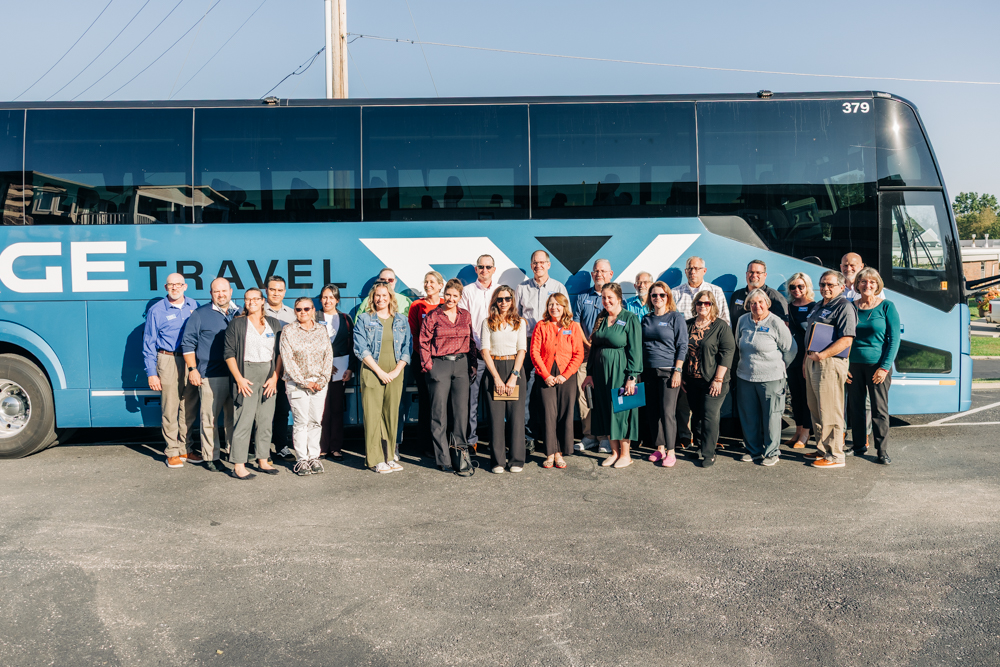
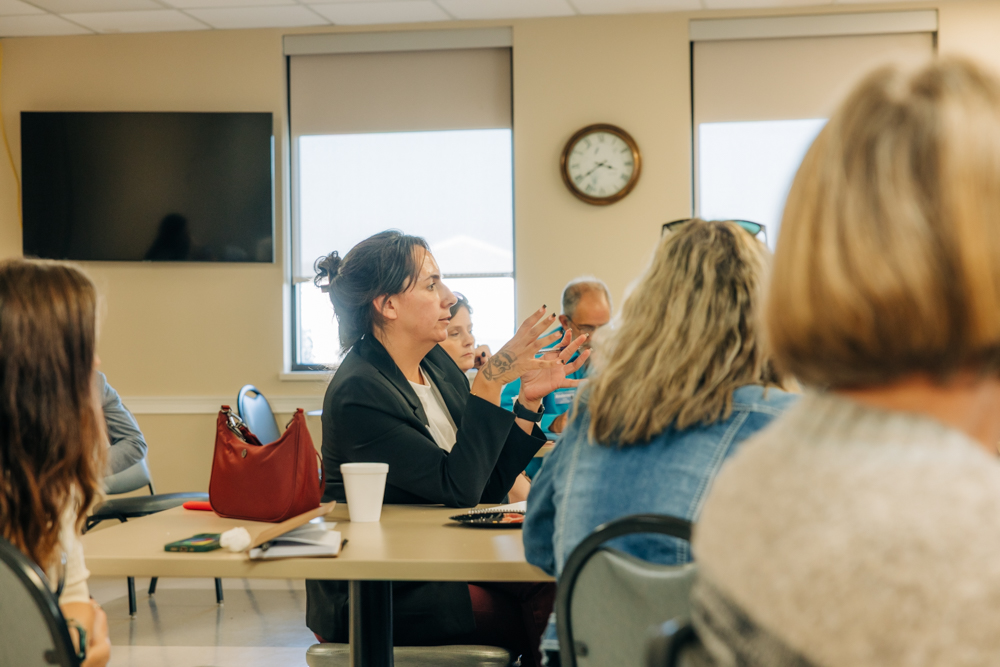
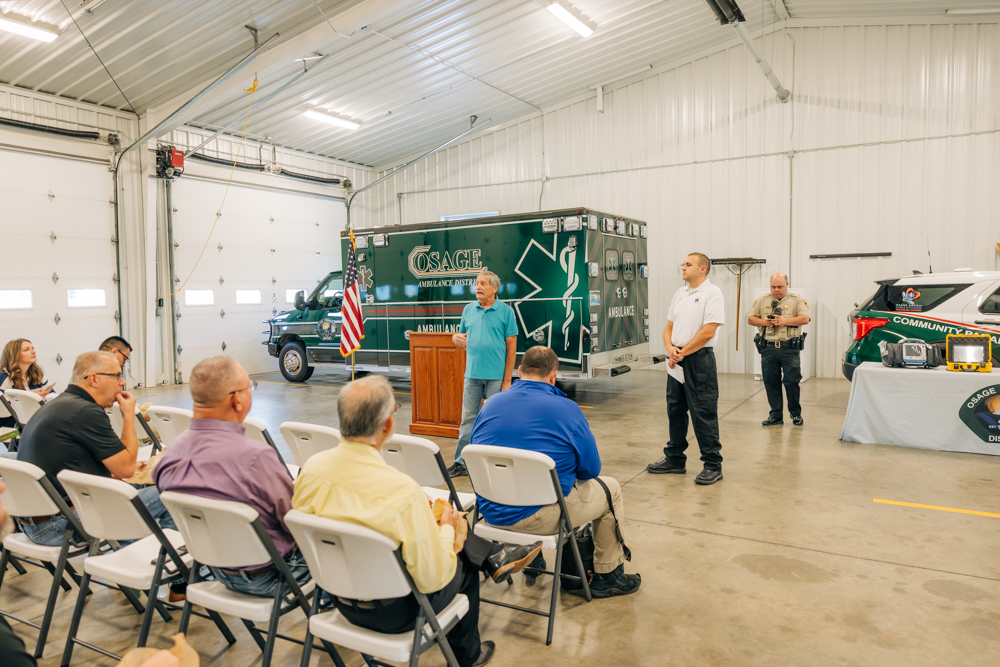
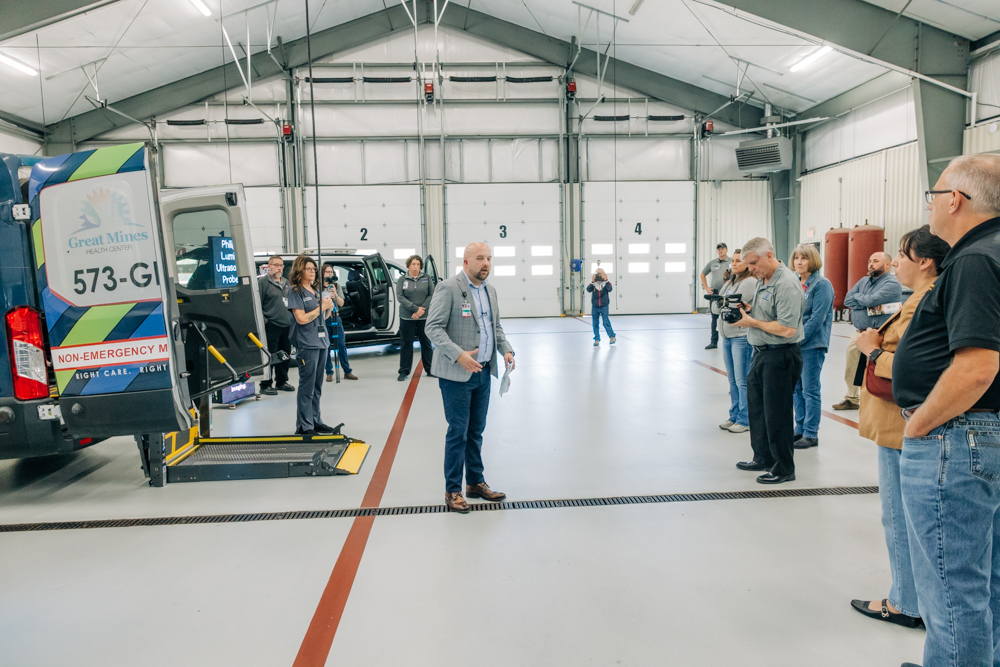
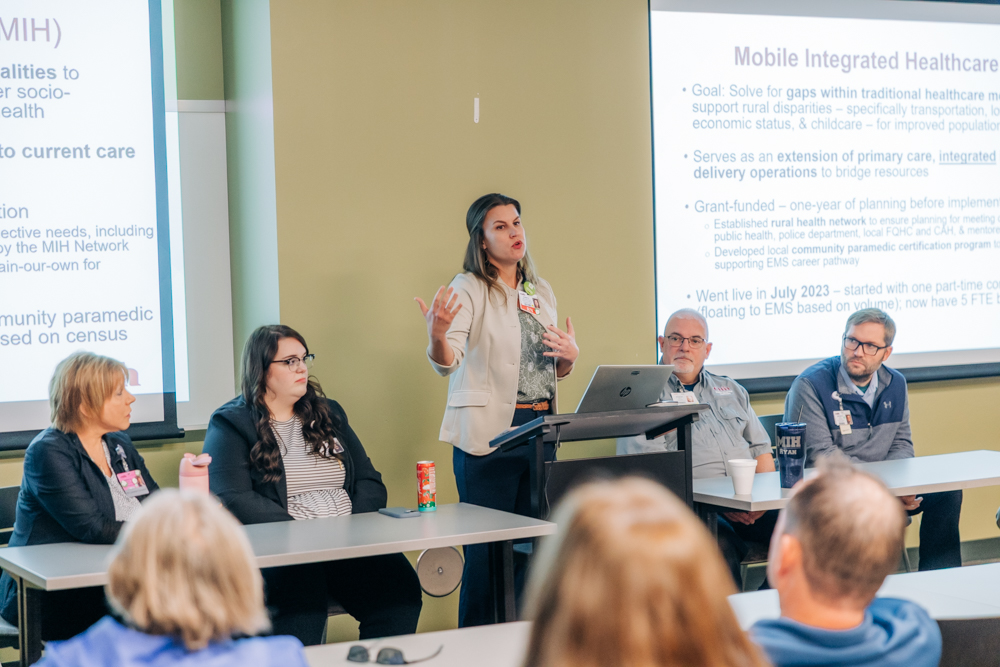
The Health Fund was honored to travel with a group of about 40 healthcare and policy professionals to explore successful MIH-CP models throughout Missouri last week. The group visited five different sites, including some of the first rural communities in the nation to integrate this model of care.
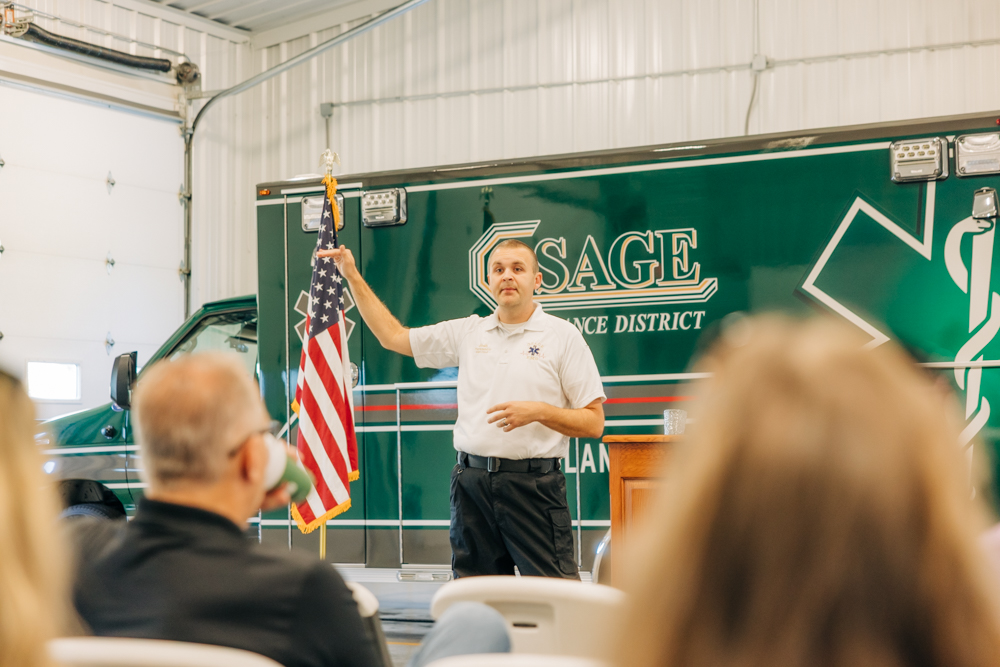
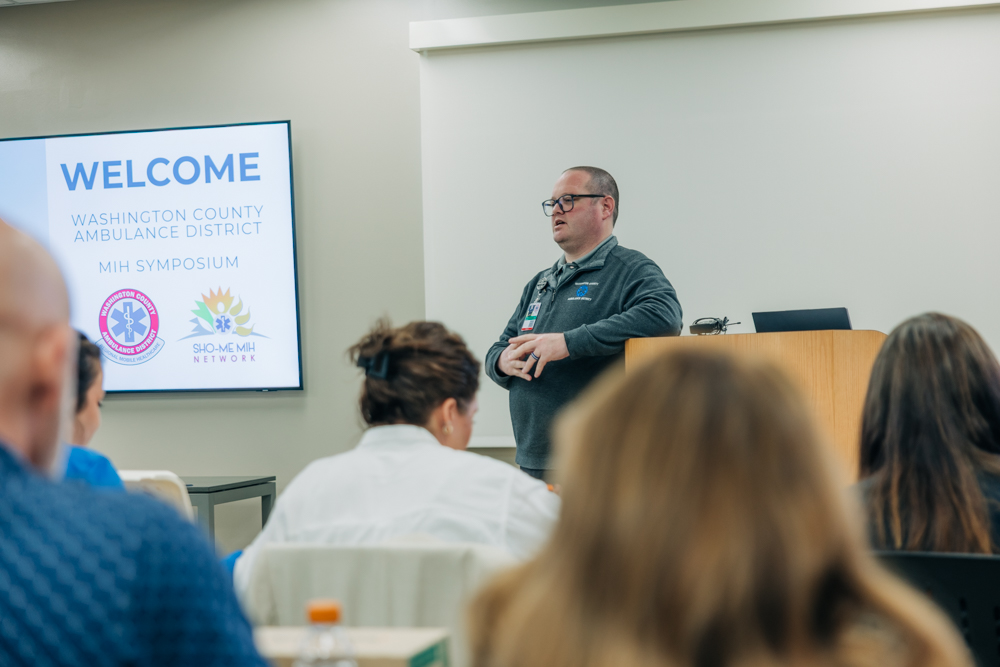
The sites included Mid-America Regional Council in Kansas City, Carroll County Memorial Hospital in Carrollton, Osage Ambulance District in Linn, Washington County Ambulance District in Potosi, and Citizens Memorial Hospital in Bolivar.
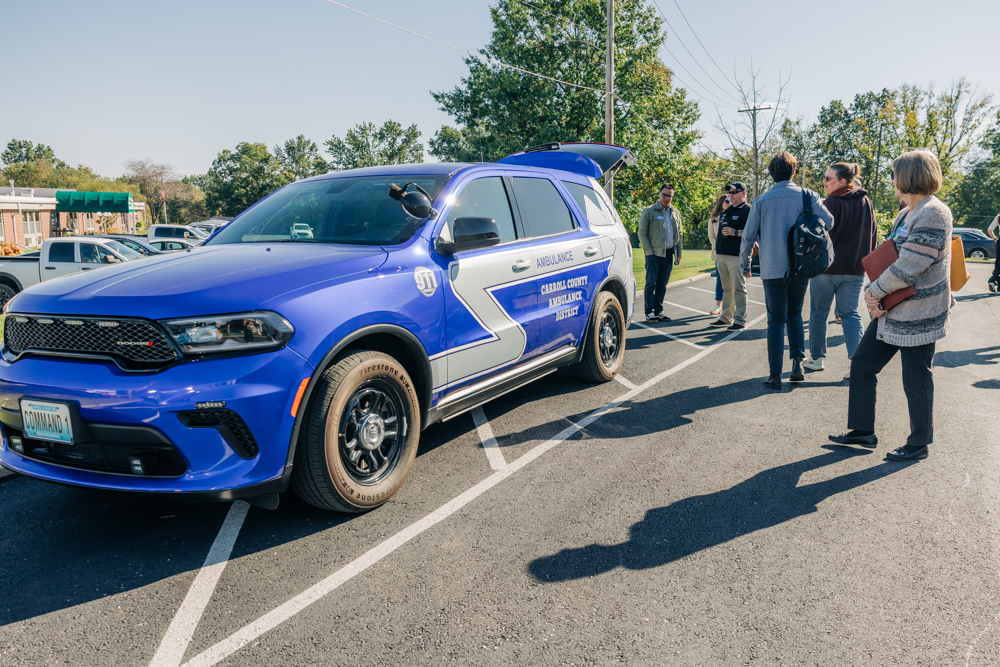
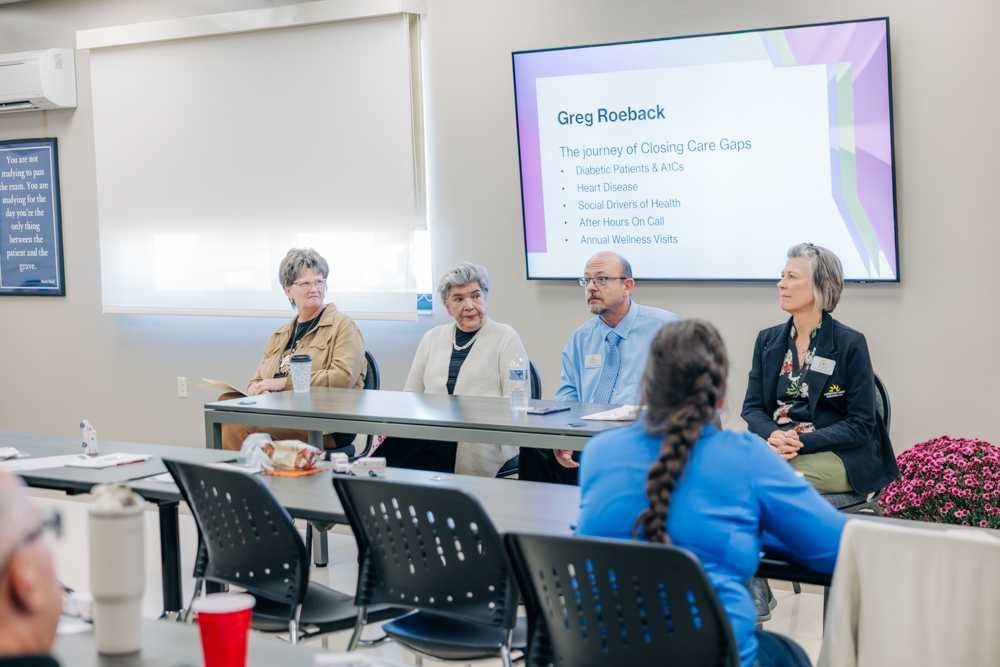
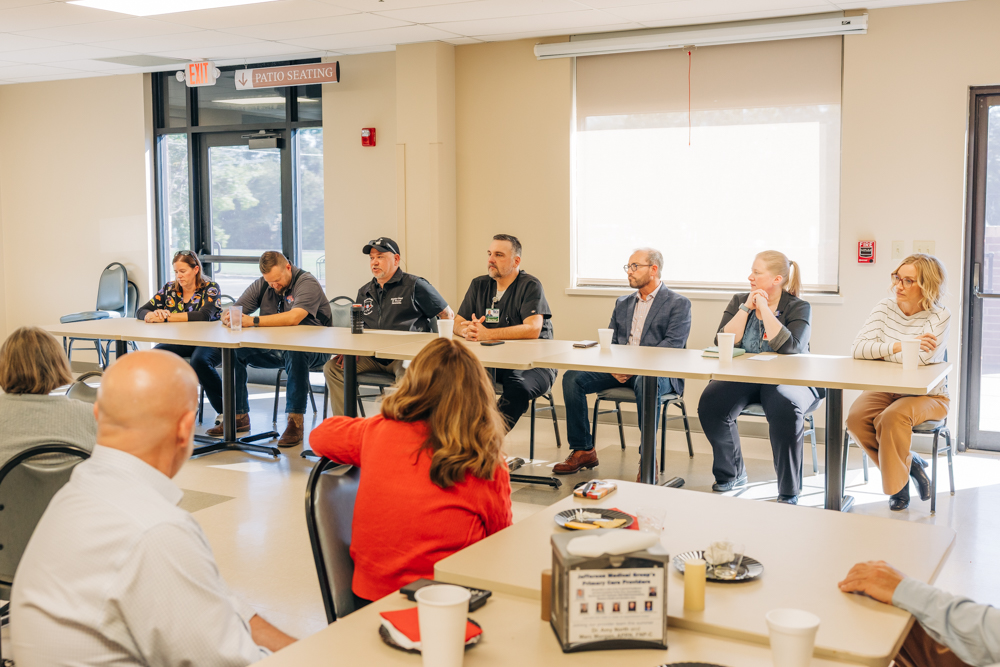
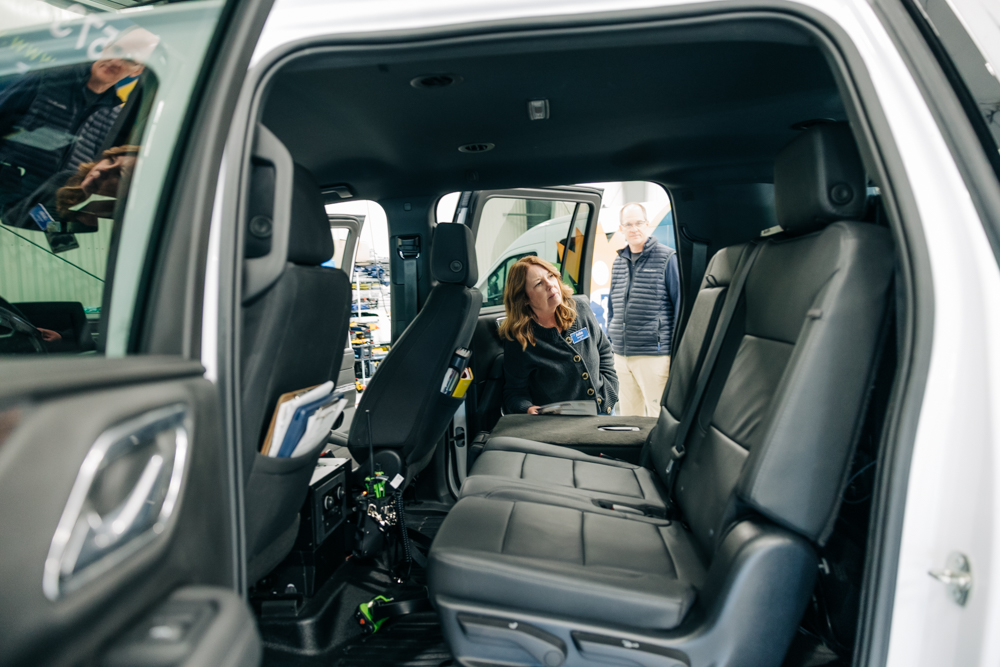
The group was able to learn from these programs and hear what has worked well for them, tour their facilities and MIH-CP vehicles, and even join a ride along to see care provided firsthand in people’s homes.
The trip was designed to learn how a variety of different programs can work, from hospital-based MIH-CP programs to working with Federally Qualified Health Centers and behavioral health organizations and more.
“The Missouri MIH bus tour was an outstanding experience. I was already a strong believer in mobile integrated healthcare before the trip, but seeing these programs in action only reinforced that belief. What impressed me most was seeing how partnerships between EMS, hospitals, public health, behavioral health, clinics and primary care providers are making a real difference in their communities,” said Dave Johnston, EMS chief, Reno County EMS.
He said one of the most valuable parts of the trip was having partners in policy, reimbursement, public health and hospital leadership see firsthand what MIH can accomplish and the value it brings to patient care.
“It’s one thing to talk about the concept, but it’s another to see it working,” Dave said. “I came away with some great ideas and innovative approaches we can build upon here in Kansas. Ultimately, it’s about bringing the right people and resources together, breaking down traditional silos, and finding better ways to improve access to healthcare and the quality of care we provide to the patients and communities we serve.”
Other attendees also appreciated the chance to see successful operating programs up close.
“The United Methodist Health Ministry Fund’s bus trip to Missouri gave Kansas EMS providers and organizations a valuable firsthand look at how community paramedicine can strengthen care beyond traditional emergency response,” said John Hultgren, CPM, paramedic, director/health officer at Dickinson County EMS/Health. “Seeing these programs in action in Missouri highlighted the potential to connect Kansas residents — especially those in rural communities — with preventive services, care coordination and support that helps them remain safely at home.”