Author: Lindsey Fields

Rainbows United Receives Project of the Year Award

Rainbows staff pictured L to R: Audra Kenneson, LMSW – Mental Health Coordinator; Cindie Silmon, LCMFT, RPT – Mental Health Specialist (ABC Home Visitor); Leslie Stevens, LCMFT – Mental Health Specialist (ABC Home Visitor); Deb Voth – President; Debbie Mai, Former Vice President of Programs and Services

Each year, the Health Fund board selects one outstanding grant-funded project to receive the Janet Sevier Gilbreath award, named in honor of our first board chairperson. The award recognizes a project which has done the most to advance the Fund’s and Janet’s vision of health for all Kansans and demonstrates scale, achievement, leveraging, operational excellence, social justice and diversity.

Rainbows United, Inc., Wichita, received the 2020 award for its participation in the Kansas Attachment and Biobehavioral Catch-up (ABC) Initiative Grant, supporting implementation of an evidence-based home visiting model to build attachment and mitigate the effects of toxic stress in young children.

“Each year our board faces a difficult task in picking just one outstanding project to receive this award. The entire ABC initiative and all five sites involved have done amazing work to build stronger relationships between young children and their caregivers,” said Katie Schoenhoff, director of programs. “Our board selected Rainbows for the Janet Sevier Gilbreath award because of their impressive outcomes, strong peer leadership, and their demonstrated sustainability of the project.” 

 Health Fund: Congratulations on receiving the Janet Sevier Gilbreath Award. Your organization has reported the best outcomes of all the agencies in the Kansas ABC project. What are some of the outcomes your home visitors have seen?

 Rainbows: Over the five years of providing this service, we have been fortunate to see firsthand the positive impact of early intervention mental health services in the lives of the families we serve. As one of our ABC home visitors reported about a child who initially showed anger and frustration while seldom going to his mother for help. “Through the mom’s hard work, this little guy is more engaged and bonded with her. When he is upset he goes to her for comfort and he does not get mad at things as easily as when he first began the program.” The big success was when the mom reported, “He enjoys playing with me, now!”

 Health Fund: Rainbows has shown exceptional leadership in the ABC project. You’ve helped other sites determine how to best integrate ABC into their organizations, have invited them to training opportunities, and openly shared templates and tracking systems to help other sites efficiently implement the ABC program. What’s your organization’s philosophy on peer leadership and learning communities?

Rainbows: At Rainbows, we have 10 Guiding Principles that help us navigate our work with children and families. One of those guiding principles is that we “Achieve success through teamwork, partnerships, and collaboration” and another is that we “Demonstrate leadership in our industry.” Those are two guiding principles highlighted in our work as we collaborate on the ABC project. From all levels of work being done at Rainbows, we believe that families are best served when we help each other.

Health Fund: At the Health Fund, we often fund grants to test, pilot, and evaluate programs with the hope that they can be scaled and achieve sustainability. Rainbows has shown great success in implementing the ABC program. Please share your efforts to sustain ABC.

Rainbows: Through the generosity of the Health Fund, we were able to achieve a long-time goal of our agency: Explore the options of billing Medicaid for Mental Health services, which meant we also needed to prepare to diagnose very young children. It was important to us to explore our options, understand guidelines, and ensure the work we did was accurate. The Health Fund allowed us to take our time to ensure that we did everything correctly. During the third year, we began to successfully bill for services. In addition, prior to the pandemic, Rainbows took part in fundraising specifically earmarked for early childhood mental health services. 

2021 Kim Moore Visionary Leadership Award Announced

Each year we honor the visionary leadership of our founding president by recognizing a visionary leader in one of our strategic focus areas. For 2021, we awarded the honor to Dr. Christine Fisher, medical
director of First Care Clinic, Inc. (FCC) in Hays, for her work in advancing access to care in Kansas.

Dr. Fisher has integrated behavioral health into the medical practice at FCC. She has also added TRUE Health peer learning classes to bring individuals together that have similar chronic diseases and provide
education from medical and behavioral health professionals with the goal of participants improving their lifestyle through behavior changes.

Dr. Fisher has redefined how medical care is delivered at FCC by implementing a nurse closer who
completes any needed follow-up services with the patient before they leave and recaps all instructions
and next steps. This has increased patient satisfaction and the nurses’ job satisfaction.

As a result of Dr. Fisher’s leadership FCC’s quality of care indicators were ranked in the top ten percent
of health centers nationally during the 2020 calendar year. The changes implemented by Dr. Fisher
through her leadership have made a positive impact on many northwest Kansas residents.

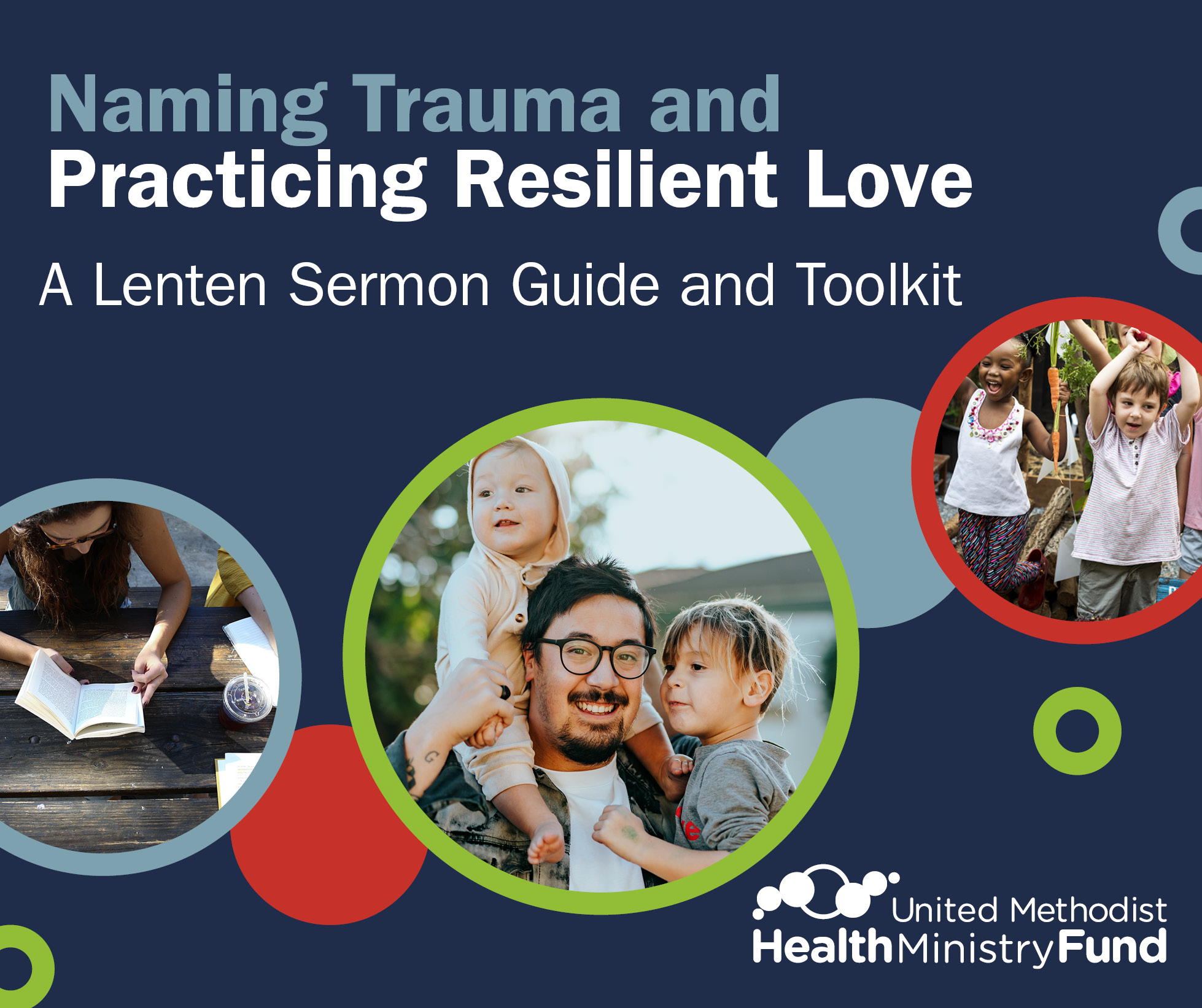
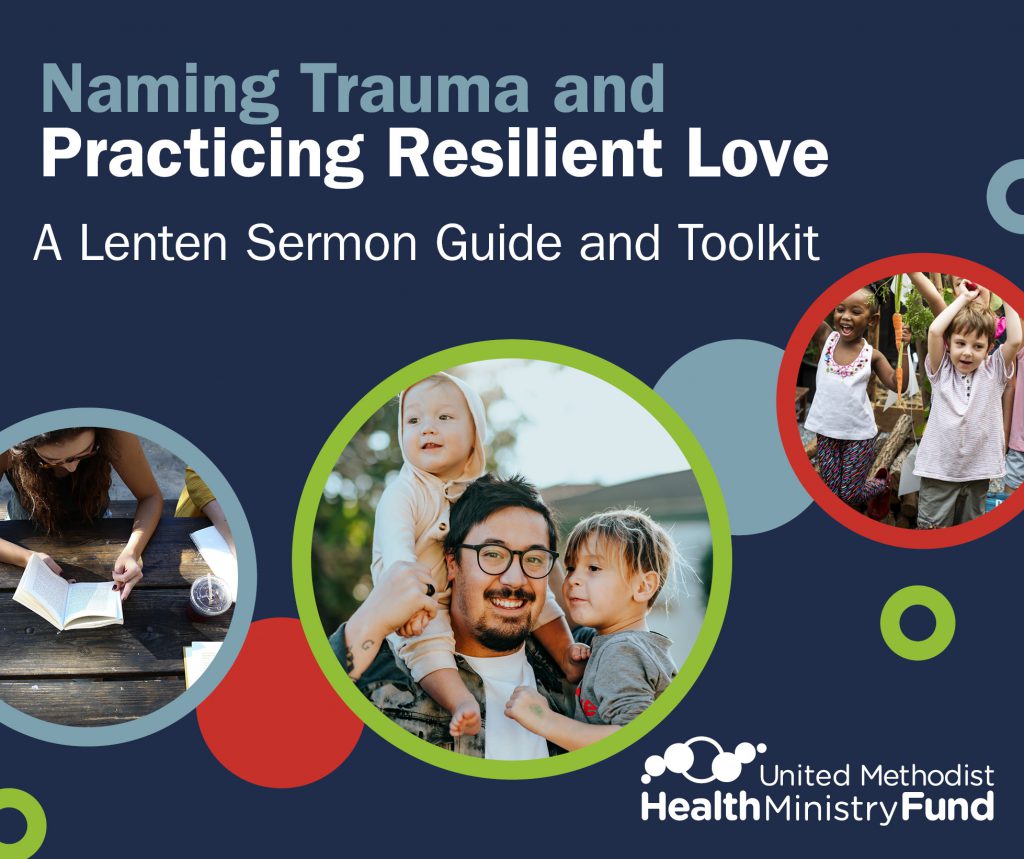
Naming Trauma and Practicing Resilient Love

A Lenten Sermon Guide and Toolkit

At the Health Fund, we have partnered with non-profit organizations, universities, and state agencies to make healthcare more accessible for all Kansans. Yet, we know that the heartland holds a variety of lived experiences and histories that can leave negative imprints on their bodies that show up physically and emotionally in long-lasting ways. We call this trauma.

There has been a growing recognition of the lifelong effects of trauma, particularly from adverse childhood experiences (ACEs) such as poverty, abuse, or neglect. Research demonstrates the best way to offset the impact of ACEs is through strong, stable, and nurturing relationships, especially with caring adults. A major focus area of our work at the Health Fund is early childhood development, including work to help families and communities build resilience in order to prevent and mitigate the impacts of trauma.

We know that untreated trauma negatively impacts the quality of life for the trauma survivor and those closest to them. Trauma may contribute to behaviors linked to poor health outcomes, like isolation from others, poor impulse control, anxiety, or increased use of substances to numb the pain or shame from intense feelings. Our vision for this sermon guide is to help individuals and communities recognize trauma and seek healing through resilient love.

Practicing resilient love helps individuals and communities return to the healthiest versions of themselves while simultaneously creating space to receive and give compassion, love, and respect to their neighbors who may have lived and experienced different realities from their own. Turning away from shame and drawing closer to Christ emboldens communities to call out the impact of trauma on their physical and emotional health.

In this sermon guide and toolkit, you will find a call to worship, hymns, children’s sermon, exegesis, sermon notes, and benediction to lead a seven-week Lenten series centered on the trauma experienced from economic hardship, relational wounds, environmental insecurity, and communal divisiveness. Included are resources on understanding trauma and connecting others to behavioral health services in Kansas and Nebraska.

We’d love to hear from you! Did you use the sermon guide and/or toolkit? Would you be willing to share your feedback and experiences? Would you consider recording a brief video to share? Questions or suggestions? Please send us an email at hcnews@healthfund.org.

Additional Resources:

Social Media Tiles

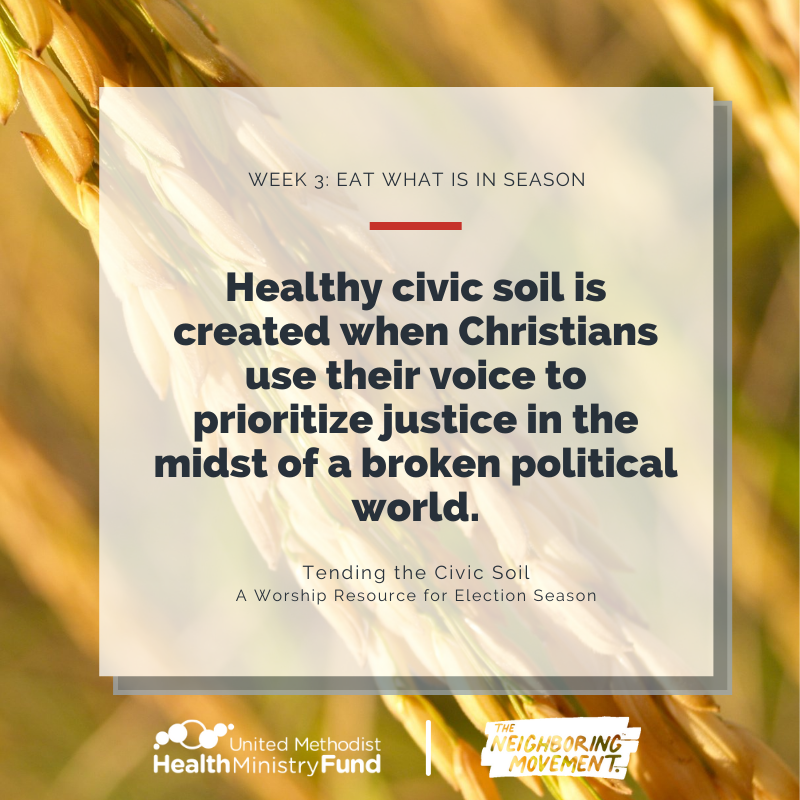
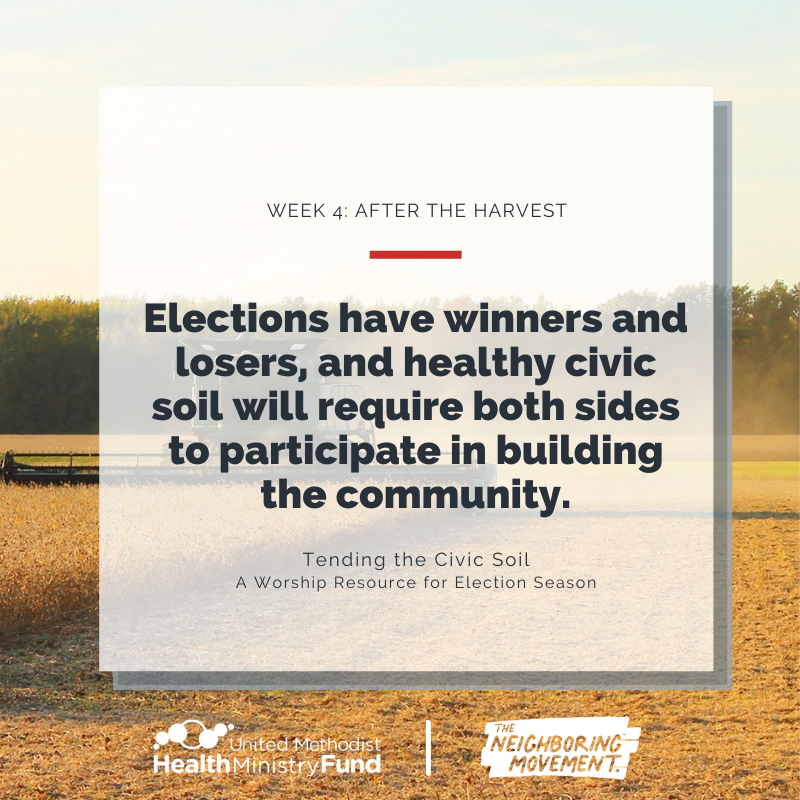
Below are social media tiles to help you promote the series. We would love to know if you use the guide—please tag us on Twitter or Facebook (@umhealthfund).

Facebook

Twitter

ABC Program Background and Pilot Outcomes

Testimony presented by Health Fund President David Jordan to the House Children and Seniors Committee on Wednesday, January 26, 2022.

To:          Chairwoman Concannon and members of the House Children and Seniors Committee

From:    David Jordan, President & CEO, United Methodist Health Ministry Fund

Date:     January 26, 2022

RE:          ABC Program Background and Pilot Outcomes

Chairwoman Concannon and members of the House Children and Seniors Committee:

Thank you for the opportunity to provide background information to the committee on the Attachment and Bio-Behavioral Catch-up (ABC) Program and the Kansas pilot program. ABC is a ten-week targeted, manualized program delivered in the home for parents of children birth to four years old who have experienced adversity.

During each of the ten visits, the staff engage the parents and review very specific information with them focused on four target areas, outlined below. The goal is NOT to “cover the required materials” but to engage the parents and to frequently reinforce their positive behaviors consistent with the main targets of the ABC program: 

  1. Nurturance – attending to a child who has expressed a need;
  2. Synchrony/Following the Lead – interactions follow the child’s lead in play, neither passive nor intrusive;
  3. Delight – words or expressions from the parent to the child expressing positive emotion; and
  4. Avoiding frightening behavior – rough handling, menacing or throwing, threatening behaviors.

ABC was initially developed by the University of Delaware more than 25 years ago through several randomized, controlled trials to address toxic stress in young children living in adverse environments. The program has become one of the highest-rated interventions (and one of the only truly preventative programs) on the California Clearinghouse for Child Welfare. More information can be found online at: http://www.cebc4cw.org/program/attachment-and-biobehavioral-catch-up/.

ABC:  Evidence-based intervention that reduces toxic stress, improves school readiness and student success, reduces interaction with the child welfare system, and improves health

Research shows that the toxic stress caused by Adverse Childhood Experiences (ACEs) in early childhood has a major impact on the child’s overall development—on school readiness and the ability to learn, on physical and mental health, and on other factors including the ability to exercise self-control. These deficits negatively affect a child’s success both in the school setting and throughout adult life.

As an intervention to address adverse childhood experiences (ACEs), ABC has been shown to lead to increased parental sensitivity and responsiveness to child needs. Children who participated in ABC as toddlers were shown to have better receptive vocabulary than comparison children who did not participate. Furthermore, children who received ABC showed more normal levels of cortisol and improved executive function, meaning they have improved their ability to regulate behavior and emotion, by the preschool years. Science indicates that vulnerable children who have well-developed executive functioning and emotional regulation are able to do well in school despite experiences of adversity. Executive functioning predicts literacy and math scores, and many teachers contend that competence in terms of executive functioning “is more important at school entry than knowledge of letters and numbers.” 

ABC can also reduce interaction with the child welfare system by building secure attachment between parents and children. ABC strengthens parents’ relationships with their children, while helping children learn to regulate behaviors and emotions. Research has shown that immediately after receiving ABC, children whose parents received ABC were more likely to be classified as having a secure attachment compared to children whose parents received a control intervention. This finding sustained through middle childhood, with 9-year-olds whose parents received ABC reporting attachments to their parents that were significantly more secure than children whose parents received the control intervention. In national research, immediately following the intervention and three years’ post-intervention, ABC parents showed higher sensitivity (followed their children’s lead more), showed more positive affect (delight), were less detached, and were less intrusive than control intervention parents. ABC parents looked nearly indistinguishable from a low-risk comparison group of parents.

The more ACEs that a child experiences, the more likely that child will be to suffer from issues such as heart disease, poor academic achievement, and substance abuse later in life. According to the Centers for Disease Control, at least five of the top ten leading causes of death are associates with ACEs. The ABC intervention can improve the health of children by mitigating the effects of ACEs. The ABC intervention can buffer the biological and behavioral effects of early adversity and strengthen interpersonal relationships with caregivers, both of which influence long-term health, learning and behavior.

Kansas ABC Project Current Pilot

While ABC is typically completed over just ten weeks, research to date has shown measurable, long-term positive impacts lasting at least into middle childhood. 

Given ABC’s success in improving school readiness and student success, reducing family interaction with the child welfare system, and improving long-term health, five philanthropic organizations funded a pilot program to support the implementation of ABC in Kansas: United Methodist Health Ministry Fund, Hutchinson Community Foundation, Kansas Health Foundation, REACH Healthcare Foundation and Wyandotte Health Foundation.

From May 2017 through April 2020, they funded the Kansas ABC Early Childhood Initiative to determine if the ABC program would deliver the same results in a variety of service settings and in five geographic regions throughout the state.

Additionally, the Kansas ABC Early Childhood Initiative was funded to expand early childhood service capacity in Kansas by promoting widespread screening for toxic stress, training more providers in the ABC intervention, and evaluating the effectiveness of integrating an evidence-based intervention into the array of early childhood programs through five sites across the state.

Evaluating the Impact of the Kansas ABC Project

To understand the impact of the ABC project on Kansas families and the system, the project partnered with the University of Kansas School of Social Work to evaluate the project. The review of the project included an implementation evaluation as well as an impact study focused specifically on how the ABC intervention impacted children, caregivers, and their families. The in-depth evaluation also conducted pre and post intervention cortisol levels to understand the impact of the intervention in mitigating the impacts of toxic stress.

Over the course of three years, the Kansas ABC Early Childhood Initiative impacted the lives of Kansas families across 36 counties. 536 families were screened for toxic stress, 402 families were enrolled to receive the ABC intervention, and 682 caregivers and 907 children were impacted.

The evaluation found that the initiative resulted in more comprehensive early childhood services across Kansas and that families who participated in ABC demonstrated more positive outcomes, including healthier children, more confident parents, and stronger families.

After completing the ABC program, the evaluation found that:

  • Caregiver concerns regarding child social-emotional functioning decreased.
  • Children’s cortisol levels, an indicator of stress, became more normalized, especially for the children with the highest cortisol levels (though the change was not statistically significant for the entire sample).
  • Parent coaches rated children’s overall wellbeing as more positive.
  • Caregivers’ knowledge and beliefs in their caregiving abilities increased.
  • In interactions with their children, caregiver intrusiveness went down, while sensitivity and delight went up.
  • Caregiver capabilities significantly improved.

ABC was primarily delivered in English. To test its use in other languages and cultures, Hispanic populations were targeted for enrollment at three sites. In all, 41% of caregivers were Hispanic and 22% of caregivers spoke Spanish in the home. The family-focus of ABC appeared to be a good fit among Spanish-speaking populations, particularly when delivered by a parent coach with a similar identity. The same positive outcomes were seen in Spanish-speaking families as in English-speaking families.

In addition to demonstrating positive outcomes in the lives of children and caregivers, the initiative resulted in expanded capacity for early childhood services across the state. Kansas has provided Family First dollars to support ABC projects as part of child welfare prevention strategies deployed under Family First. Likewise, the Kansas Department of Education has recognized ABC as an approved program for equity funds at the state level, and Medicaid is reimbursing mental health providers using ABC for eligible children.

Considerations for policymakers

As policymakers explore evidence-based strategies to:

  • prevent utilization of the child welfare system,
  • keep children with their parents in their homes,
  • improve health,
  • build parenting skills, and
  • address equitable attainment of education,

The Kansas experience with ABC highlights its potential as a worthy, evidence-based investment. Kansas has already moved in this direction by providing Family First dollars to support ABC projects as part of child welfare prevention strategies deployed under Family First. Likewise, the Kansas Department of Education has recognized ABC as an approved program for equity funds at the state level, and Medicaid is reimbursing mental health providers using ABC for eligible children.

Given the success of ABC in normalizing cortisol levels and lessons learned from other states – like New York, which utilized ABC to sustainably reduce child welfare caseloads and aid reunification efforts – there is great potential for policymakers to further support evidence-based programs like ABC to advance child health and child welfare goals as well as improve educational attainment.

Continued investment from state government, foundations and early childhood stakeholders in ABC and other evidence-based programs will offer important opportunities to test, pilot, and evaluate programs to inform and maximize the return on future investments affecting generations to come. Ultimately, these lessons will offer policymakers the opportunity to fund evidence-based interventions like ABC that can improve health, educational outcomes, keep families together and save the state money.

Thank you for the opportunity to provide comments to you today regarding the ABC program.  Please be in touch with questions or if I can be helpful.
Colby UMC honored by state

Colby United Methodist Church received the organizational honorable mention for the 2022 Kansas Health Champion Award.

The Kansas Department of Health and Environment (KDHE) and the Governor’s Council on Fitness (GCOF) presented the 2022 Kansas Health Champion Awards during the Community Health Promotion Summit today, Thursday, January 27.

The Health Champion Award was developed by the Governor’s Council on Fitness to recognize and promote exemplary contributions to fitness in Kansas. Those recognized include an individual and organization, as well as honorable mentions in each category.

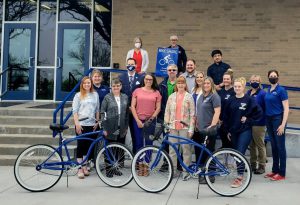
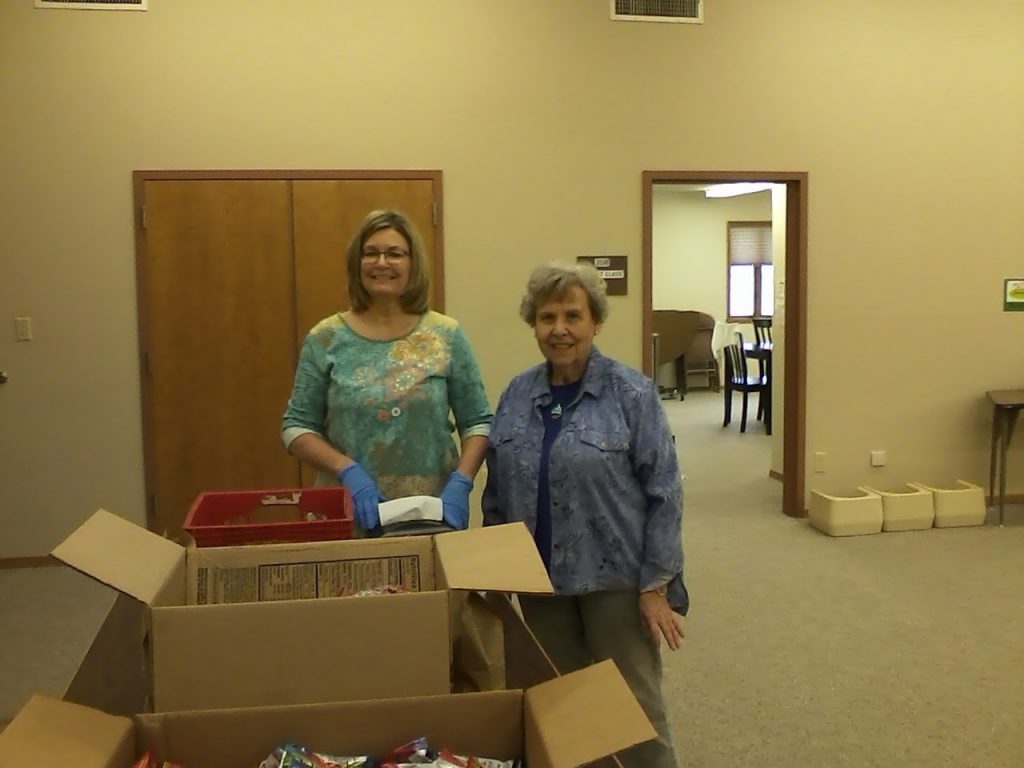
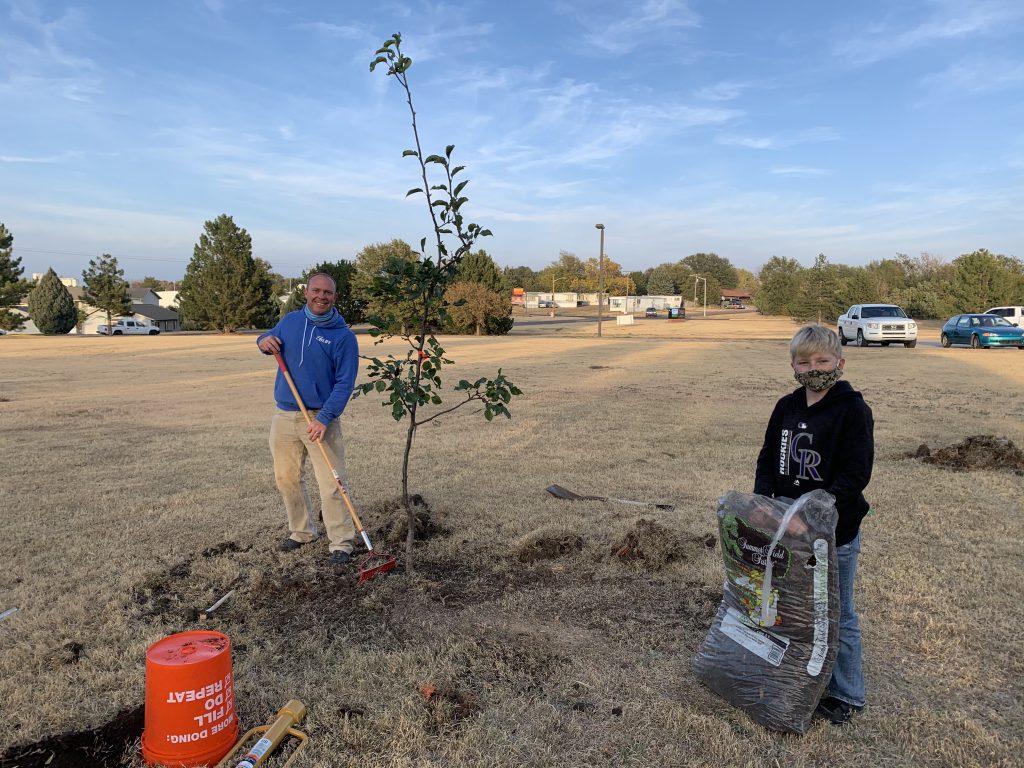
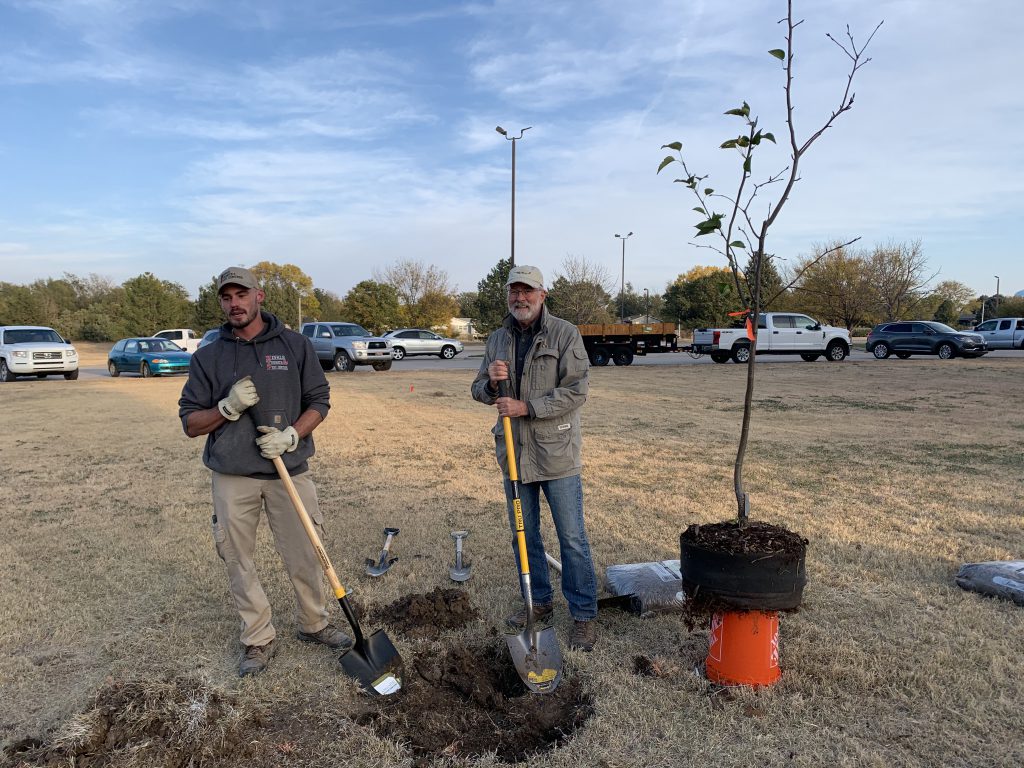
Colby United Methodist Church (UMC) was selected as the 2022 Kansas Health Champion Organizational Honorable Mention. Colby UMC is an active member of the Health Fund’s Healthy Congregations program. Colby UMC has participated in programs that seek to address food insecurity, such as partnering with the school district and other organizations to support the Summer Food Service Program for their community. They have worked with the Thomas County Coalition to start a community garden and orchard, plus Colby UMC has worked with additional partners in the community to support a free bike share program.

Katie Schoenhoff, Health Fund director of programs, nominated Colby UMC. Schoenhoff said, “Colby United Methodist Church has long demonstrated an outstanding level of commitment and service to the health and wellness of both congregation and community, going beyond expectations to address not only immediate needs but also the underlying social determinants of health. Their partnerships with local organizations have supported both the sustainability of their efforts and increased community engagement.”

Medicaid expansion would help all Kansans

The following is an opinion piece by Health Fund President David Jordan.

Eight years of inaction by policymakers have resulted in Kansans paying more for health care, our communities’ ability to deliver health care being pushed to the brink, and billions of dollars in lost economic opportunity.

Today, the Kansas legislature begins its annual legislative session, providing yet another opportunity to expand KanCare, Kansas’ Medicaid program. Kansas is one of only 12 states that has not expanded Medicaid, to the detriment of the 165,000 hardworking Kansans who fall in the coverage gap.

Who’s in the coverage gap?

A Kansas family of three with an annual income of $8,345 makes too much to be covered by KanCare, and too little to receive Affordable Care Act (ACA) marketplace subsidies. In this case, a single mother with two kids who works a minimum wage job 23 hours per week falls into the coverage gap – earning too much to qualify for KanCare and too little to qualify for health coverage through the ACA. 

According to the Alliance for a Healthy Kansas, more than two-thirds of adults eligible for insurance through Medicaid expansion work or are in working families, and most are employed in industries less likely to offer affordable health insurance, such as service, construction, and retail.
At a time when all Kansans are experiencing the pinch of increased costs to provide for our families, health care is no exception. Expanding KanCare would not just benefit those in the coverage gap, it would also help bring down the costs of health care for Kansans and reduce costs for businesses.
As policymakers return to Topeka, it is important to remind them that expanding KanCare is a budget-neutral Kansas-specific policy that would help 165,000 hardworking Kansans who fall in the coverage gap access health care and reduce their risk of medical debt and bankruptcy.

Beyond improving health and economic security, expanding KanCare would add nearly 23,000 good-paying jobs to our state, increasing our economic output over the next three years by $17 billion and the personal income of Kansans by $6.3 billion. Expansion would also help protect access to care for our rural neighbors; 76 hospitals in Kansas are currently at risk of closing. Expanding KanCare would help rural Kansans access the care they need while boosting their local economies.

Join the conversation

To learn more about the state of KanCare and its potential expansion, you can attend a virtual lunch on January 13 with key leaders within the health sector to discuss the path forward for Medicaid expansion in Kansas.

Kansas Lt. Gov. David Toland, who also serves as the Kansas State Secretary of Commerce, will provide an update on the Governor’s plans around KanCare expansion and will share current data on the economic impact expansion will have in Kansas.

Sen. Doll, a Republican legislator from Garden City and longtime advocate of KanCare expansion, will discuss the path forward for expansion through the legislative process and how health leaders can help leverage their voices and positions to support this work.

Expanding KanCare is critically important to improving health, reducing costs for Kansas families, and creating jobs. To achieve this goal, we all need to engage in the discussion and let our policymakers know that we can’t afford to wait another year to expand KanCare.

Register for the lunch here.

Healthy Congregations Webinar: Healthy Start to ’22

The past two years have been difficult. Many people have experienced a toll on their physical, mental and spiritual health.

The new year is an opportunity to take a fresh look at how your church can impact the health of your congregation and community. View the recording from our live webinar held on January 6, 2022. We heard from Healthy Congregations churches on innovative ways they have used their annual grants as well as their successful implementation of special grant opportunities.

Interested in a specific topic? Click the timestamps below.

  • 0:00:00 – Introduction
  • 0:03:57 – Financial Health-Take Control Collaborative Training
  • 0:25:18 – Good Neighboring Experiment
  • 0:43:42 – Colby UMC shares their experience with The Big Garden, Bike Share in a Box, The Giving Grove, Summer Food Service Program
  • 1:02:20 – Newton UMC shares how they energized congregants around other facets of social determinants of health such as voting, racial equity, social isolation
  • 1:24:39 – Upcoming special grant deadlines

Extending postpartum Medicaid coverage in Kansas will improve health of mother and infant

This opinion piece by Health Fund President and CEO David Jordan and Topeka Public Schools Superintendent Tiffany Anderson originally appeared in the The Topeka Capital-Journal on December 21, 2021.

Kansas can improve future health outcomes for families by extending health care for new mothers and infants.

Unfortunately, significant racial disparities exist in maternal and child health. According to the Kaiser Family Foundation, national pregnancy-related mortality rates among Black and American Indian and Alaska Native women are more than three and two times higher, respectively, compared to the rate for White women.

In Kansas, non-white minority women are nearly twice as likely to die within a year of pregnancy as non-Hispanic white women.

To ensure mothers and babies have a healthy start to life and to reduce these inequities, we must ensure all mothers have health coverage for the first year of their child’s life.

In 2018, KanCare covered 39% of Kansas births. Before the COVID-19 public health emergency, each year over 9,000 mothers lost KanCare coverage 60 days postpartum.

Extending postpartum KanCare coverage to 12 months can save lives, improve health outcomes, prevent interaction with the child welfare system, reduce disparities and save the state money.

Recent federal policy change creates the opening for Kansas to extend postpartum coverage. Other states like Indiana and Tennessee are taking advantage of this opportunity.

A 2021 report released by the Governor’s Commission on Racial Equity & Justice detailed 13 recommendations for improving maternal and child health, including extending maternal Medicaid coverage to 12 months postpartum. The report recognized the important role of improving access to care in reducing health disparities.

Extending coverage can save lives. The U.S. Department of Health and Human Services reported 66% of all pregnancy-related deaths are preventable. The Kansas Maternal Mortality Review Committee found that between 2016 and 2018 nearly one-quarter of Kansas pregnancy-related deaths occurred between 43 days and one year postpartum. Nearly half of all pregnancy-associated deaths occurred in the same period.

A child’s health is tied closely to their parent’s health and access to health care. Parental enrollment in Medicaid is associated with a 29% higher probability that a child will receive an annual well-child visit.

Postpartum care provides mental health services as women gain services for clinical depression. Nearly 20% of Kansas women below 200% of the federal poverty level experienced postpartum depression in the year after giving birth.

According to the Kansas Department of Health and Environment, between fiscal years 2012 and 2017, parental substance use was the primary reason 70% of children under the age of one entered foster care. Extending postpartum coverage would enable mothers to access substance use services that could prevent interaction with the child welfare system.

Extended postpartum coverage is predicted to lead to a decrease in long-term Medicaid costs through the provision of early medical interventions and coordinated care, preventing postpartum complications and worsening chronic conditions resulting from delays in early identification and intervention.

Due to the public health emergency, Kansas cannot discontinue postpartum coverage after 60 days. This temporary policy change has enabled mothers to access critical health care and mental health services.

With new mothers experiencing isolation and mental health challenges due to the public health crisis, it’s critical to extend coverage to maintain postpartum checkups and treatment of chronic health conditions to prevent future adverse health outcomes.

The public health emergency is set to end this spring. The time to act is now, or each year 9,000 new Kansas mothers will lose KanCare coverage to the detriment of their health, their children’s health and long-term family stability.

Let’s create better outcomes for Kansas families by permanently extending postpartum Medicaid coverage to 12 months.

Tiffany Anderson is the superintendent of Topeka Public Schools and co-chair of the Governor’s Commission on Racial Equity and Justice. David Jordan is the president and CEO of the United Methodist Health Ministry Fund and a member of the commission.

Health Fund Celebrates 35 Years and $75 Million

This year, like last, challenged all of us to adapt and to navigate new challenges and, in some cases, loss.  However, we also saw progress in 2021. As we reflect on 2021 and look forward to 2022, it is important to celebrate.

At the Health Fund, we celebrated two major milestones. We turned 35, and in our first 3.5 decades of grantmaking we invested more than $75 million into improving the health and wholeness of Kansans.

Often, anniversaries and monetary milestones feel most important for the people celebrating them. But these two milestones reflect our strong relationships across Kansas in health care, early childhood development, and United Methodist churches. This is a celebration of the more than 850 organizations impacted and 2,800 projects supported.

“Seventy-five million dollars in grants and 35 years of service are both major milestones. They demonstrate the continued dedication of board members, staff, and partners to improving the health of all Kansans,” said David Jordan, president and CEO of the Health Fund. “Together, we will continue to address the social and economic forces affecting overall health and work to make Kansas a healthier state.”

A community health worker pilot program, the Kansas ABC initiative, and Mental Health First Aid training all illustrate the breadth of the Fund’s work, and how our three focus areas all improve the health of Kansans.

Access to Care: Exploring the Efficacy of Community Health Workers in Improving Outcomes

In 2021, the Health Fund supported five community health worker positions across the state. The pilot program is exploring if health outcomes are improved by having community health workers—who are culturally competent frontline workers—help patients navigate the health care system.

Early Childhood Development: Intervening Early in Caregiver/Infant Relationships

When children face toxic stress, they face worse health outcomes. The Health Fund, in partnership with four other foundations, has led the Kanas ABC Initiative, to determine if the Attachment and Biobehavioral Catch-Up program (ABC) would help buffer the harmful effects of toxic stress on infants. The 10-week program is an evidence-based parenting intervention for caregivers of infants and toddlers. So far, the initiative has shown promise in Kansas.

Healthy Congregations: Teaching Lay People Strategies to Help Individuals in Crisis

Churches in our Healthy Congregations program asked for more resources on mental wellness, which were especially needed as congregations and communities continued to cope with the COVID-19 pandemic. We offered two sessions of Mental Health First Aid, a one-day training where participants learn risk factors and warning signs for mental health and substance abuse concerns, as well as strategies to help someone in crisis and non-crisis situations. Both sessions filled and we will offer at least ten sessions of this valuable course in 2022.

What’s Ahead

In 2022, the Health Fund will finish the final year in our current four-year strategic plan, as well as unveil the next plan. We look forward to continuing to work together to improve the health of Kansans.

About the Health Fund

In 1986, the United Methodist Health Ministry Fund started with a $30 million endowment established from the sale of Wesley Hospital. The Health Fund works to facilitate conversation and action to improve the health and wholeness of Kansans—especially those in rural and under-served communities. By funding programs, moving ideas to solutions, providing hands-on expertise, and convening influencers, we work to advance innovative solutions to improve Kansans’ health for generations to come. We steward a $70 million endowment, which has provided more than $75 million in grants and program support since our inception.

© United Methodist Health Ministry Fund