Author: Lindsey Fields

Wrapped in God’s Embrace: Maternal Health, Flourishing, and Building Communities of Care

The United Methodist Health Ministry Fund (Health Fund) is pleased to release a maternal health sermon guide. The Health Fund is committed to supporting the health and wholeness of all Kansans, including mothers. Maternal health intersects with two of our priority focus areas: Access to Care and Early Childhood Development.

Maternal and child health are early indicators of future public health challenges, which is why it is critical for mothers and children to have the healthiest start to life. Healthy mothers are important to building healthy families, but mothers often face mental and physical health issues that, without timely support and care, can impact not only their own well-being and quality of life but also present additional hurdles to the work of caring for children and loved ones. Infrastructure, supports, and communities of care for mothers are necessary for all Kansans to have the best start in life.

Research shows supporting a strong start to life for mothers and babies and investing early creates not only the best health outcomes, but also the greatest return on investment. At the Health Fund we are committed to ensuring mothers and our youngest Kansans enjoy nurturing family environments, so they are primed for healthy lives.

Beyond supporting program and policy investments, we want to create a loving and caring environment that supports maternal health, which is why we created this sermon guide.

This sermon guide, Wrapped in God’s Embrace: Maternal Health, Flourishing, and Building Communities of Care, acknowledges the vocation of motherhood and its impacts on family and community life. When considering maternal health, consider it as all issues related to the well-being of persons who give birth and/or take on the labor of motherhood in the lives of children. These issues include reproductive health, preventive care, mental health services, and emotional support services for mothers, as well as the points at which children’s health intersects with maternal health. This sermon guide will challenge readers to take a closer look at how mothers and their children are supported inside and outside of the church and the ways a child’s health is tied closely to their parent’s health and access to health care.

Through interpretative principles, this guide will address the often unseen struggles of motherhood, identify biblical text that will empower mothers, and will ultimately encourage readers to advocate and support for the health and legacy of motherhood and the well-being of the next generation.

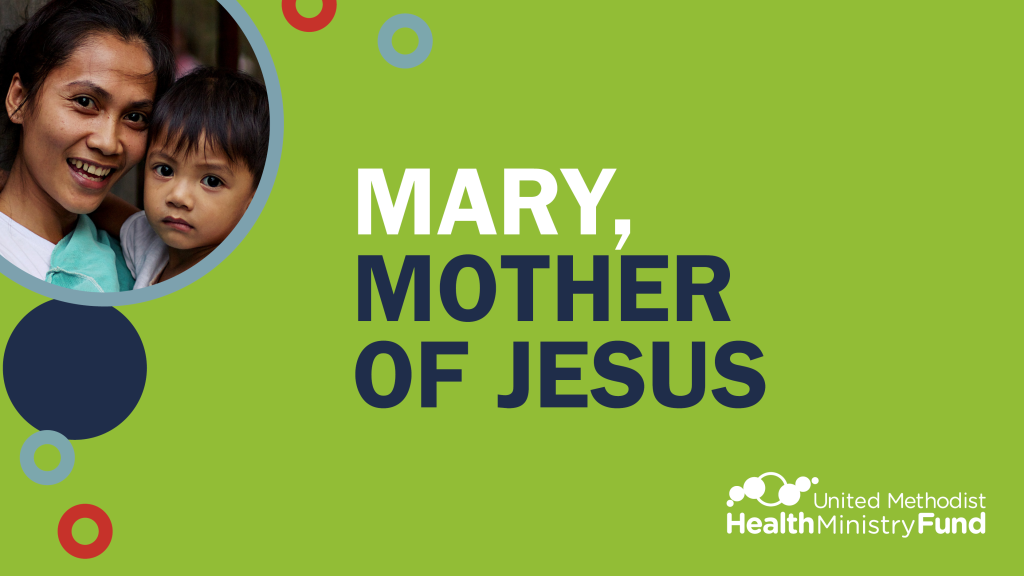
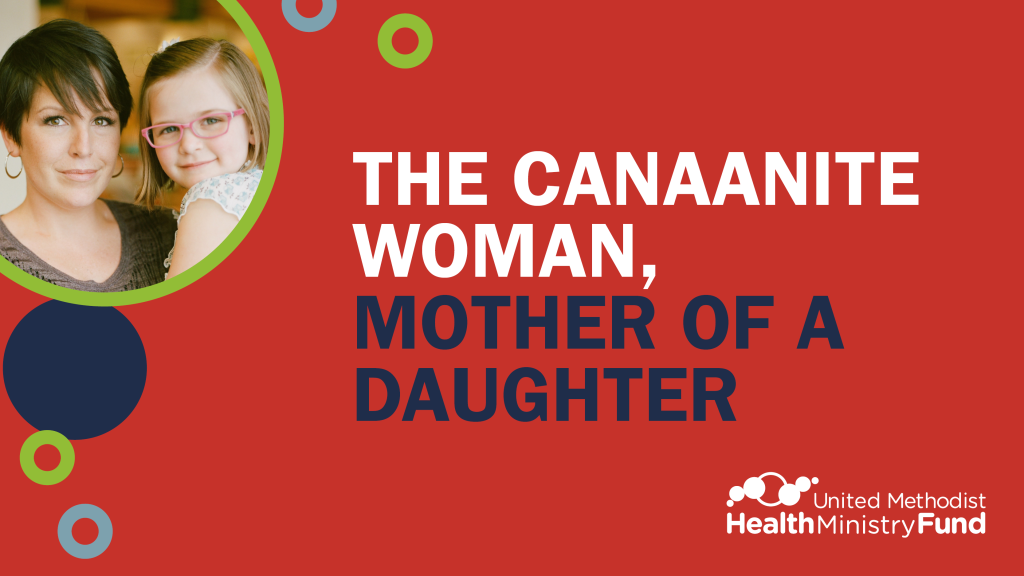
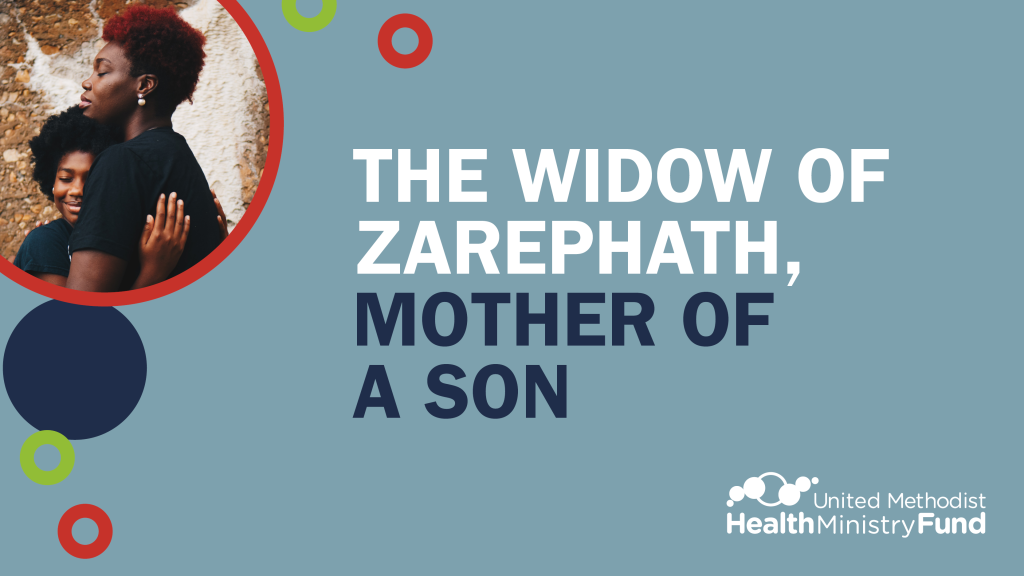
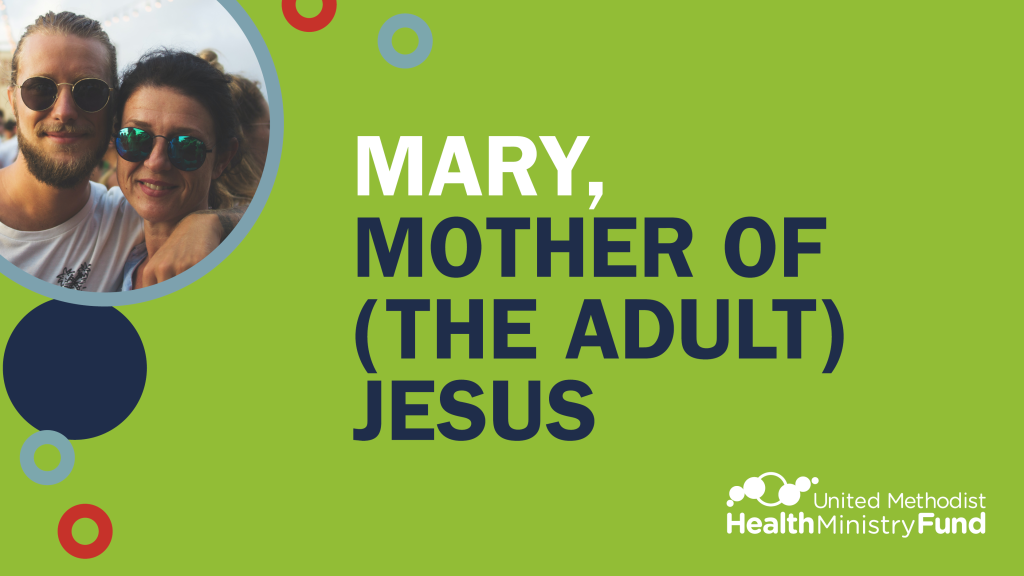
Each week includes a call to worship, hymn selections, children’s sermon, call to action, and benediction, in addition to an exegesis and sermon notes section based on the week’s scripture passage. Week 1 introduces Mary’s birth story in the Gospel of Luke as a window into postpartum health and the supports women need in the first hours, days, and weeks of motherhood with a new child. Week 2 centers around the Canaanite Woman and the work of mothers as advocates for the well-being of the family, followed by Week 3 in which we witness how God guides Elijah, the Widow of Zarephath, and her son to form a community of care in the midst of hardship and crisis. The guide concludes in Week 4 with a return to Mary the Mother of the adult Jesus who, as a grown child, shows the fruit of secure attachment in early childhood.

We’d love to hear from you! Did you use the sermon guide and/or toolkit? Would you be willing to share your feedback and experiences? Questions or suggestions? Please email us at hcnews@healthfund.org.

Resources in this sermon guide

Week 1

Week 2

Week 3

Week 4

Social Media Tiles

Below are social media tiles to help you promote the series. We would love to know if you use the guide—please tag us on Twitter or Facebook (@umhealthfund).

Facebook

Twitter

2022 High 5 for Mom & Baby Premier recognition

Breastfeeding plays a crucial role in the overall health of babies and mothers and demonstrates hospitals’ commitment to improving infant and maternal health.

The United Methodist Health Ministry Fund, through its High 5 for Mom & Baby program, is committed to promoting breastfeeding best practices and to supporting hospitals’ efforts to ensure their staff are prepared to support parents’ breastfeeding needs and goals.

Twenty-two Kansas hospitals’ commitment to improving infant and maternal health has earned them recognition through High 5 for Mom & Baby Premier. These facilities follow all ten of the evidence-based High 5 for Mom & Baby practices. This is the largest number of hospitals to earn the highest level of High 5 for Mom & Baby recognition since the program was introduced.

High 5 for Mom & Baby Premier provides training, resources, and a framework to help Kansas hospitals and birth facilities implement ten evidence-based practices proven to support successful breastfeeding, improving maternal and infant health outcomes while also reducing racial and ethnic health disparities.  

To obtain High 5 for Mom & Baby Premier recognition, each facility must complete a voluntary, self-reported evaluation and follow all ten of the evidence-based High 5 for Mom & Baby practices: 

  1. Facility will have a written maternity care and infant feeding policy that addresses all ten High 5 for Mom & Baby practices supporting breastfeeding 
  2. Facility will maintain staff competency in lactation support
  3. All pregnant women will receive information and instruction on breastfeeding
  4. Assure immediate and sustained skin-to-skin contact between mother and baby after birth
  5. All families will receive individualized infant feeding counseling
  6. Give newborn infants no food or drink other than breastmilk unless medically indicated
  7. Practice “rooming in” – allow mothers and infants to remain together 24 hours a day
  8. Families will be encouraged to feed their babies when the baby exhibits feeding cues, regardless of feeding methods
  9. Give no pacifiers or artificial nipples to breastfeeding infants
  10. Provide mothers options for breastfeeding support in the community (such as a telephone number, walk-in clinic information, support groups, etc.) upon discharge 

For a list of the 18 additional Kansas hospitals that maintain at least five of the evidence-based practices above and are recognized as High 5 for Mom and Baby facilities, visit https://www.high5kansas.org/. For more information on High 5 for Mom & Baby, contact Cara Gerhardt, Program Coordinator: coordinator@high5kansas.org.

2022 High 5 for Mom & Baby recognition

Breastfeeding plays a crucial role in the overall health of babies and mothers and demonstrates hospitals’ commitment to improving infant and maternal health.

The United Methodist Health Ministry Fund, through its High 5 for Mom & Baby program, is committed to promoting breastfeeding best practices and to supporting hospitals’ efforts to ensure their staff are prepared to support parents’ breastfeeding needs and goals.

Eighteen Kansas hospitals’ commitment to improving infant and maternal health has earned them recognition through High 5 for Mom & Baby.

High 5 for Mom & Baby provides training, resources, and a framework to help Kansas hospitals and birth facilities implement five or more evidence-based practices proven to support successful breastfeeding, improving maternal and infant health outcomes while also reducing racial and ethnic health disparities.  

To obtain High 5 for Mom & Baby recognition, each facility must complete a voluntary, self-reported evaluation and follow five or more of the evidence-based High 5 for Mom & Baby practices: 

  1. Facility will have a written maternity care and infant feeding policy that addresses all ten High 5 for Mom & Baby practices supporting breastfeeding 
  2. Facility will maintain staff competency in lactation support
  3. All pregnant women will receive information and instruction on breastfeeding
  4. Assure immediate and sustained skin-to-skin contact between mother and baby after birth
  5. All families will receive individualized infant feeding counseling
  6. Give newborn infants no food or drink other than breastmilk unless medically indicated
  7. Practice “rooming in” – allow mothers and infants to remain together 24 hours a day
  8. Families will be encouraged to feed their babies when the baby exhibits feeding cues, regardless of feeding methods
  9. Give no pacifiers or artificial nipples to breastfeeding infants
  10. Provide mothers options for breastfeeding support in the community (such as a telephone number, walk-in clinic information, support groups, etc.) upon discharge 

For a list of the 22 additional Kansas hospitals that maintain all ten of the evidence-based practices above and are recognized as High 5 for Mom and Baby Premier facilities, visit https://www.high5kansas.org/. For more information on High 5 for Mom & Baby, contact Cara Gerhardt, Program Coordinator: coordinator@high5kansas.org.

Kansas tax policy and federal funding recommendations

Fiscal policy changes can begin to make Kansas more racially equitable: examining recommendations from the governor’s commission

This commentary originally ran in the Kansas Reflector on March 30, 2022. About the authors: Dr. Tiffany Anderson, superintendent of Topeka USD 501, and Dr. Shannon Portillo, associate dean and professor at the University of Kansas, served as co-chairs of the Governor’s Commission on Racial Equity and Justice; David Jordan, president and CEO of the United Methodist Health Ministry Fund, chaired the subcommittee on healthcare.

How our state government taxes, spends, and accesses funding demonstrates our values and our commitment to addressing racial equity in Kansas.

The Governor’s Commission on Racial Equity and Justice examined federal funding and tax policy, seeking to understand how to address systemic issues that affect education attainment, economic opportunity and health across Kansas. Recommendations to address racial equity through tax policy and maximizing federal funding were included in the commission’s final report.

Kansas ranks 46th in terms of accessing federal funding to support the state budget. Having less federal funding affects our ability to support critical health and safety net services, disproportionately burdening state and local budgets when communities need access to services and restricting access to programs that support health and economic opportunity.

To improve racial equity, Kansas should maximize federal funding. 

State restrictions are a barrier to accessing federal funding. Policy changes during the Brownback administration greatly increased restrictions to Temporary Assistance for Needy Families (TANF) and the Supplemental Nutrition Assistance Program (SNAP). Today fewer than 10 out of every 100 Kansas families in poverty are receiving TANF benefits, compared with more than 30 in 100 in 2006. People of color are disproportionately impacted by hunger; SNAP helps low-income households afford groceries. TANF and SNAP benefits provide basic support to families in need. The benefits may be more than financial. 

Beyond negatively affecting Kansans, these restrictions increase interaction with the child welfare system, costing the state money. According to a University of Kansas national study, states that enacted similar restrictions as Kansas have seen higher rates of child abuse and foster care cases. 

These restrictions should be repealed.

As federal COVID-19 relief dollars come to Kansas, it’s vital that the government entities distributing these funds consider the perspectives of people of color and communities most impacted. Relief funds should be targeted to help those most in need due to the pandemic.

Health equity should be a primary consideration when distributing relief funds. A broad definition of health should be employed, based on the social determinants of health. According to the Centers for Disease Control and Prevention, these are the “conditions in the places where people live, learn, work, and play that affect a wide range of health and quality-of life-risks and outcomes.” 

Kansas’ failure to expand Medicaid has left more than 150,000 Kansans without access to health care and resulted in more than $5.4 billion in lost federal funding. 

The effect of Kansas’ decision not to draw down federal dollars can be seen in our standing in America’s Health Rankings, which has fallen more than any other state in the nation since 1990. 

Kansas can maximize federal dollars to improve health outcomes through the state’s Medicaid program, KanCare. The social determinants of health should be a focus as Kansas begins the process of redesigning its Medicaid program during the upcoming contracting process. KanCare can begin addressing inequities by recognizing and paying for culturally competent care teams that include proven community-based providers such as community health workers and doulas. Improvements to patient-centered care teams and delivery models, and innovative models pioneered by other states that have improved health outcomes and reduced disparities should be a priority.

Kansas government entities must examine tax policy to improve racial equity and ensure that our most vulnerable neighbors don’t shoulder the burdens of an unfair tax system built on consumption taxes. 

A disproportionate number of low-income individuals are people of color. Some states tax low-income people at higher rates, which can worsen racial inequity. Kansas state and local taxing authorities should collect race and ethnicity data during both tax assessment and tax distribution. The data should be assessed and analyzed to determine the effect of the tax structure on all Kansans. 

Kansas is one of seven states that still fully taxes groceries. To reduce the burden on low-income Kansans, we should eliminate the food sales tax on groceries, which is the second highest in the nation. 

State and local governments, especially in the criminal justice system, should rely less on fines and fees to fund their work. Governments should seek more equitable funding streams, including drawing down federal funds. 

Taxes are rarely fun to talk about, but they are the foundation for how we fund government and services. We must ensure our taxing and budget structures reflect our values as Kansans and help create more equitable communities. The commission’s recommendations offer a path forward, but your time, leadership, and engagement are needed to realize change. 

Let’s get to work.

About the series

In June 2020, Governor Laura Kelly signed Executive Order 20-48, forming the Governor’s Commission on Racial Equity and Justice. The Commission studied issues of racial equity and justice across systems in Kansas, focusing first on policing and law enforcement and then on economic systems, education, and health care. The Commission developed recommendations for state agencies, the Legislature, and local governments. Through the end of 2022, Commissioners will dig deeper into the Commission’s recommendations in a monthly series.

Related resources

Governor’s Commission on Racial Equity and Justice reports
Governor’s Commission on Racial Equity and Justice webinar series
2022 opinion series on commission recommendations

Webinar: Community Health Workers – Strengths, Challenges, Opportunities

The American health care system is expensive and difficult for patients to navigate. Even insured patients worry about the costs of care. Most patients believe providers should consider if social determinants of health are impacting patients’ health, such as concerns regarding food, housing or transportation.

Community health workers (CHWs) address patient health care struggles and are an important part of a patient’s experience. CHWs bridge the gap between patients and providers, explaining what providers mean and what the next steps are. They connect patients with resources and help them overcome obstacles to seeking care, such as transportation or a lack of insurance. Health care organizations are realizing the importance of investing in CHWs.

Webinar: Community Health Workers – Strengths, Challenges, Opportunities

Community health workers (CHWs) play an important but little-known role in health care. The Health Fund hosted a webinar on April 21, 2022 focused on CHW certification as well as strengths, challenges, and opportunities for community health workers in Kansas. The webinar can be viewed at the link above.

The webinar included:

  • Sarah Jolley of Wichita State University shared findings from a research report on the role of community health workers in health care
  • Kansas Department of Health and Environment detailed its CHW project and the new CHW certification
  • Community health workers and employers spoke on the role CHWs play in patient care

Resources:

Hear their stories

To increase awareness of the value of community health workers, the Health Fund and the Wichita State University Community Engagement Institute have produced a series of short videos highlighting the role of community health workers and their contributions to addressing chronic conditions, health accessibility, and health outcomes. The videos also discuss the importance of reimbursement of services and the return on investment to organizations.

The importance of CHWs

Community health workers bridge the gap between the client and health care provider. Medical information can be confusing or even intimidating. Interpreting medical information for patients influences health outcomes.

Community health workers are the point where health care sort of ends traditionally and extends out into the community or even their home,” said Dennis Dunmyer, COO of KC CARE Health Center. “They help people understand a lot of what the other health care professionals are saying and they help translate for our patients what the next steps are.”

Providers agree that including community health workers in care teams helps patients achieve better outcomes.

“I really think that every health care team and every community-based organization team could benefit from having a community health worker present. I see that my patients are able to follow up with instructions, they are able to get more resources, [and] they are able to live healthier lives because of what our community health workers do,” said Erin Corriveau, MD, University of Kansas Health System.

Community health workers help patients manage chronic conditions.

“A lot of times people with chronic conditions don’t actually feel bad…so it’s confusing as to why they have to take medication every day when they feel fine or why they have to see the doctor a few times a year,” said Dunmyer. “Community health workers can help a lot with education and help people understand why those things are important.”

“One of the main focuses of community health workers is how can we prevent this condition or this situation from ending up in the ER or urgent care,” said Kevin Ochoa, a community health worker. “That all starts with showing our clients how to self-manage their chronic conditions.”

A 2020 study at Penn Medicine found each dollar invested in their CHW program would have a $2.47 return on investment to an average Medicaid payer within the fiscal year. Although CHWs bring great value, a barrier to including CHWs on the health care team is reimbursement.  

“For this type of work to continue and to be sustainable, it is critically important to be reimbursed by payers. There have been a number of studies that have demonstrated a return on investment,” said Karen Braman, senior vice president of the Kansas Hospital Association. “It really is critical that community health worker services be reimbursed so they can take advantage of this additional layer of services for patients.”

Improving Racial Equity in Kansas

A Three-Part Series Examining the Commission on Racial Equity and Justice’s Final Recommendations

Following months of discussions with community members and stakeholders, the Governor’s Commission on Racial Equity and Justice developed recommendations to address racial equity in Kansas by focusing on social determinants of health, particularly looking at factors that influence the economic, educational, and health outcomes of our citizens.

The Commission’s recommendations address items that may take place on the state/agency, legislative, and/or local level. Each webinar in this series explores recommendations applicable at a specific level of government.

Examining CREJ Legislative Recommendations

This webinar details the Governor’s Commission on Racial Equity and Justice’s final recommendations for legislative changes that would influence the economic, educational, and health outcomes of our citizens.

View the slides from the legislative level webinar.

Examining CREJ Local Government Recommendations

This webinar details the Governor’s Commission on Racial Equity and Justice’s final recommendations for local government changes that would influence the economic, educational, and health outcomes of our citizens.

View the slides from the local level webinar. This webinar was co-sponsored by the Kansas Association of Counties, League of Kansas Municipalities, and the KU School of Public Affairs and Administration.

Examining CREJ State and Agency Recommendations

This webinar details the Governor’s Commission on Racial Equity and Justice’s final recommendations for state and agency changes that would influence the economic, educational, and health outcomes of our citizens.

View slides from the state and agency level webinar. This webinar was co-sponsored by the KU School of Public Affairs and Administration.

Expanding KanCare would strengthen rural health care, rural communities

This commentary by Health Fund President David Jordan on strengthening rural health care through KanCare expansion originally appeared in the Wichita Eagle on March 9, 2022.

Kansas is a rural state with nearly one-third of the population living in rural communities. As Kansans we take pride in self-reliance and taking care of our own.

Yet Kansans living in rural and frontier areas are more likely to be uninsured than those in more populated communities. Kansans living in frontier communities have the highest uninsured rate in the state (12.9%). When it comes to health care and sustaining rural health systems and communities, we need more than self-reliance. We need health insurance.

Many of our uninsured neighbors are hardworking Kansans who earn too much to qualify for KanCare, the state’s Medicaid program, and too little to qualify for health insurance through the Affordable Care Act. In fact, a single parent of two kids earning more than $4.00 an hour earns too much to qualify for KanCare.

These hardworking Kansans are our neighbors. Kansans like Jim, an uninsured farmer who enjoys working with crops and large machinery. He lost his health insurance after a seasonal job ended. Getting insurance now is beyond his means.

He’s dealing with diabetes and an injured foot. The bones were broken, but Jim hasn’t been able to get it addressed. He calls it a “Catch-22.” He was hurt and needs money to get well, but he can’t work to make money because of the injury.

Without health insurance, Jim is scraping by and going without regular care.

Emergency room care is often the only option for uninsured Kansans like Jim. But hospital bottom lines and viability are threatened if uninsured patients can’t pay bills. Currently, 70 rural Kansas hospitals are financially vulnerable and categorized as at-risk of closing, more than in any other state.

Rural and frontier towns rely on hospitals for health care and to anchor communities.

According to the Kansas Hospital Association, in 2020, 12% of Kansas employment was in the health services sector. The health care sector was the fifth largest producer of total income and of total sales.

For health and prosperity, a sustainable health system is crucial to the future of our rural regions and our rural way of life.

Kansas can take an immediate step to strengthen rural health systems and communities by expanding KanCare, the state’s Medicaid program.

Multiple studies show that hospitals, particularly rural ones, are at significantly higher risk of closure in states that have not expanded Medicaid. A 2018 study published in Health Affairs found “Medicaid expansion was associated with improved hospital financial performance and substantially lower likelihoods of closure, especially in rural markets and counties with large numbers of uninsured adults before Medicaid expansion.”

Expanding KanCare would cut our uninsured rate in half. Expansion would boost hospital finances by covering 25% of the uncompensated care in rural hospitals and 44% in frontier hospitals.

Kansans know expanding KanCare is the right thing to do. Expansion has broad support across geography and political party. A new survey finds almost 8 in 10 Kansas voters (78%) support expanding KanCare.

All neighboring states have expanded their Medicaid programs. Expanding KanCare would keep us competitive — adding nearly 23,000 new jobs to the state’s economy and increasing economic output by $17 billion.

Expanding KanCare would strengthen rural health care and help ensure rural Kansans get the health care they need while improving their economies. The time to expand is now.

Kansas criminal justice recommendations

How Kansans can address racial equity in their criminal justice system: examining recommendations from the governor’s commission

This commentary originally ran in the Kansas Reflector on March 8, 2022. About the authors: Dr. Tiffany Anderson, superintendent of Topeka USD 501, and Dr. Shannon Portillo, associate dean and professor at the University of Kansas, served as co-chairs of the Governor’s Commission on Racial Equity and Justice; David Jordan, president and CEO of the United Methodist Health Ministry Fund, chaired the subcommittee on healthcare.

In the summer of 2020, amidst national calls for racial justice and criminal justice reform, Gov. Laura Kelly established the Governor’s Commission on Racial Equity and Justice.

She brought together 15 Kansans with expertise in law enforcement, education, health advocacy, local and state government, policy, philanthropy, and community organizing.

Given the historic need to review justice-related issues in Kansas, the commission started its work by examining law enforcement and the criminal legal system to identify opportunities to address inequities in Kansas’ system. We also sought to understand how to address systemic issues that affect education attainment, economic opportunity and health. The commission met every other week, hosted learning sessions with relevant professional associations and experts, and held community listening sessions.

The commission issued its first of three reports in December 2020. These recommendations addressing criminal justice aim to prevent disproportionate contact with law enforcement for communities of color and decrease inequities in justice outcomes.

Some recommendations related to law enforcement hiring and training were included in Senate Bill 247, which was introduced in 2021 in Senate Judiciary. This includes prohibiting fired officers from being hired at different law enforcement agencies; mandating review of records during the hiring process; requiring psychological testing of officers be performed by a licensed professional before certification (current standards require psychological tests before certification, but not by an independent, licensed professional); and requiring that officers have completed KLETC training before they are issued a firearm for use in the line of duty. We must engage with our legislators and advocate for this legislation.

Kansas law is more restrictive than military eligibility requirements, prohibiting law enforcement agencies from hiring noncitizens with legal status as officers. Aligning law enforcement eligibility with military eligibility would support hiring goals for agencies and engage immigrant populations to better reflect Kansas’ population.

Law enforcement and leaders agree that access to behavioral health care is a criminal justice issue. It’s estimated that nationally 44% of jail inmates and 37% of prisoners have a mental illness, compared with 18% of the general population. Many law enforcement encounters are the result of substance use or mental health issues, and they cause county jails and prisons to become de facto behavioral health service providers. Increasing access to early intervention options by expanding Medicaid in Kansas would improve policing outcomes and reduce state general fund spending on law enforcement and behavioral health.

Financing mobile crisis response models would provide crucial support to law enforcement in responding to behavioral health calls. Mental health professionals who work alongside law enforcement officers, or respond to mental health calls on their own, can contribute to positive outcomes and promote treatment over incarceration for individuals experiencing mental health crises.

The Johnson County co-responder program boasts positive outcomes — the rate of hospitalization fell dramatically, and the percentage of police calls that ended up in jail fell slightly. Kansas and local communities should implement appropriate co-responder and mental health crisis programs where possible.

More than 85% of Kansans facing a felony charge rely on appointed counsel. We must do more to support the Kansas Board of Indigent Defense Services and expand public defender offices to our largest counties. BIDS recently voted to expand offices in Wyandotte and Douglas Counties. To better serve residents throughout Kansas, BIDS is asking the Legislature for increased funding to open these offices, increase public defenders’ pay throughout Kansas and provide better training for their attorneys. Data demonstrate supporting BIDS offices in Douglas and Wyandotte Counties will save money.

We will not rid the justice system of inequities immediately, so we must ensure Kansans know how to report racial and bias-based policing, and we must have systems that take these reports seriously. In 2011, racial and bias-based policing policies were updated in statute. The commission recommended that the Legislature review the policies to determine if they are serving their intended purpose. The Legislature should address the process for filing a complaint of racial or bias-based policing, what entity is most appropriate to manage the process, and the availability of data related to such complaints and responsive action taken.

There are more than 50 other recommendations in the Commission’s first report. A few recommendations are making their way into legislation, but we must continue to push for them at the statehouse, in local governments and in administrative agencies. For more recommendations to become reality, we urge you to let your legislators and local governmental bodies know that these issues matter and encourage them to act.

About the series

In June 2020, Governor Laura Kelly signed Executive Order 20-48, forming the Governor’s Commission on Racial Equity and Justice. The Commission studied issues of racial equity and justice across systems in Kansas, focusing first on policing and law enforcement and then on economic systems, education, and health care. The Commission developed recommendations for state agencies, the Legislature, and local governments. Through the end of 2022, Commissioners will dig deeper into the Commission’s recommendations in a monthly series.

Related resources

Governor’s Commission on Racial Equity and Justice reports
Governor’s Commission on Racial Equity and Justice webinar series
2022 opinion series on commission recommendations

In Support of Postpartum Coverage

We support and invest in early childhood initiatives because research shows investing early creates the best health outcomes and the greatest return on investment. To ensure the healthiest start for Kansas kids, we also support policies that lead to healthier parents and healthier families.

Health Fund President David Jordan recently submitted testimony to both the Kansas House and Kansas Senate in support of extending postpartum KanCare coverage to 12 months, universal home visiting, and adding adult dental coverage to Medicaid benefits.

2021 Year in Review Released

2021 Year in Review

As we reflect on the highlights of another challenging year, it is important to celebrate where we have been and the partnerships that we have forged to improve health. Inside:

  • Updates on Access to Care, Early Childhood Development, and Healthy Congregations
  • Board and staff updates
  • Award announcements
  • Financial summary

© United Methodist Health Ministry Fund