After 10 years of dedicated service as the High 5 for Mom & Baby Program Coordinator, Gwen Whittit will retire December 31. Through Gwen’s leadership and support from the Kansas Breastfeeding Workgroup, High 5 for Mom & Baby has flourished into a robust program for maternity care facilities to improve infant and maternal health outcomes by supporting mothers and families in reaching their breastfeeding goals. The program has achieved tremendous success in working with facilities across Kansas. The Health Fund is grateful for Gwen’s passion and commitment to the success of High 5 for Mom & Baby and is excited for Gwen to enjoy the next phase of her life.
The Health Fund is excited to announce that Cara Gerhardt will serve as the new High 5 for Mom & Baby Program Coordinator. Gerhardt is a registered nurse (RN) with more than ten years of experience, primarily in a hospital setting. She is an international board certified lactation consultant (IBCLC) who is active in the Kansas Breastfeeding Coalition and the Wichita Area Breastfeeding Coalition, where she previously served as community outreach chair and is now serving as chair-elect.
Empathetic conversations are key for COVID-19 vaccination.
The holidays are approaching again and COVID-19 cases are trending upward. Unlike last year, the COVID-19 vaccine is now widely available for ages 5 and up, as well as booster shots for all adults. Vaccination can be a difficult topic; empathy is critical for successful conversations about COVID-19 vaccines.
In a recent KCUR interview, Kansas City expert Alex Francisco shared that the best strategy for vaccine hesitancy is to first listen.
“Really understand why a friend or family member may be worried about the vaccine, Francisco said. Then: be empathetic.”
We also developed the Faith in Vaccines sermon guide and toolkit to help faith leaders create an open and empathetic space to start a discussion and answer questions about the effectiveness and importance of the vaccine.
We hope these tools are useful to you as we all work to end the pandemic.
Through technical assistance, Kansas organizations received nearly $15 million in federal grants
Nearly one in three Kansans live in rural and frontier communities. These communities face unique healthcare challenges, such as accessibility, lack of providers, and an aging population.
The United Methodist Health Ministry Fund (Health Fund) supports innovative, collaborative initiatives for the health and wholeness of all Kansans. Access to care plays a critical role in supporting Kansans’ health and strong communities. Particularly in rural areas where the population is growing older and sparser, providers are looking for ways to stay financially viable and provide quality integrated care for the people they serve.
The Health Fund works to ensure program sustainability beyond its initial investment, which can include supporting efforts to bring in outside grant dollars. In 2021, the Health Fund provided technical assistance to bring millions of federal grant dollars back to Kansas to support health initiatives. Kansas ranks 46 in drawing down federal funds, in part due to missed grant opportunities.
“We’re a small health foundation that invests in projects across Kansas to sustainably increase access to care,” said David Jordan, president and CEO of the Health Fund. “Each year we give out $2 million in grants. Those dollars only go so far. By leveraging some of our dollars, we can invest thousands in order to bring back millions to our state. This year we provided technical assistance to organizations who were applying for federal grants, which helped bring $15 million to Kansas.”
Thanks in part to technical assistance, four organizations received millions in federal grant dollars that will increase Kansans’ access to health insurance and mental health services:
Thrive Allen County, $2.9 million grant from Centers for Medicare and Medicaid Services
SAMHSA Community Mental Health Center grant awards to:
Spring River Mental Health & Wellness, Inc. in Riverton, $1.9 million
Pawnee Mental Health Services in Manhattan, $4.75 million
Southeast Kansas Mental Health Center in Humboldt, $4.99 million
For the next three years, Thrive Allen County will use its award from the Centers for Medicare and Medicaid Services to help underserved populations find affordable health insurance. Thrive utilizes Navigators, individuals who are federally trained and certified to help consumers find and apply for Marketplace coverage. The grant will support the recruitment, training and activities of 18 Navigators who will serve 42 counties and ten agencies across the state. Thrive’s past work in enrollment assistance helped lower Allen County’s uninsured rate from 21% in 2013 to less than 9% in 2018.
“This is a grant after my own heart,” said Lisse Regehr, Thrive Allen County president and CEO. “I joined Thrive in 2014 as a Navigator and saw firsthand the life changing effects it has on individuals, families and communities. The impact Navigators have on healthcare access cannot be understated, and we are honored to help community organizations implement what we have learned across the state.”
Three mental health centers across Kansas received Substance Abuse and Mental Health Services Administration (SAMHSA) Community Mental Health Center (CMHC) grant awards. CMHCs provide prevention, treatment and rehabilitation mental health services. The grant dollars are intended to increase access to mental health and behavioral support.
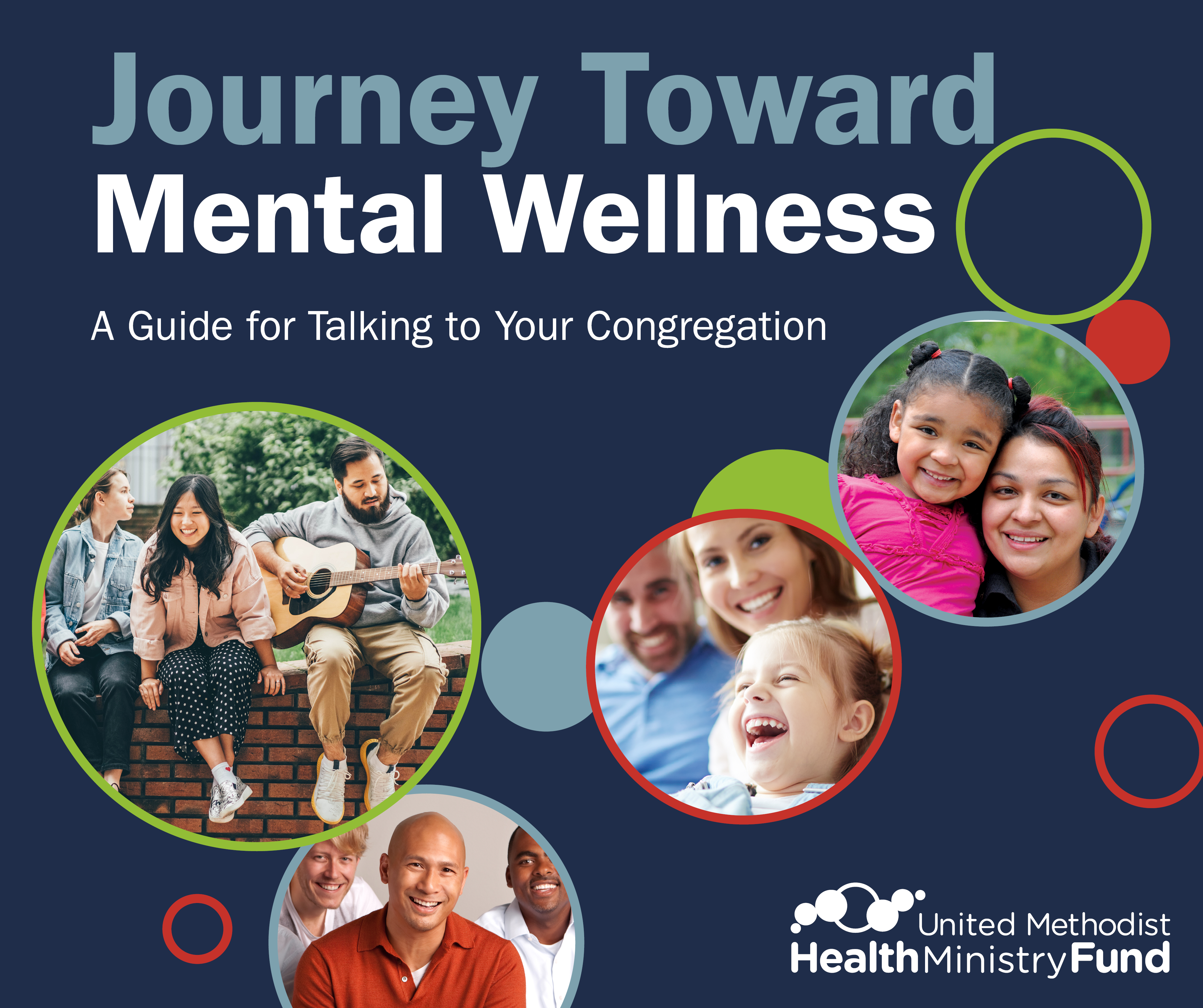
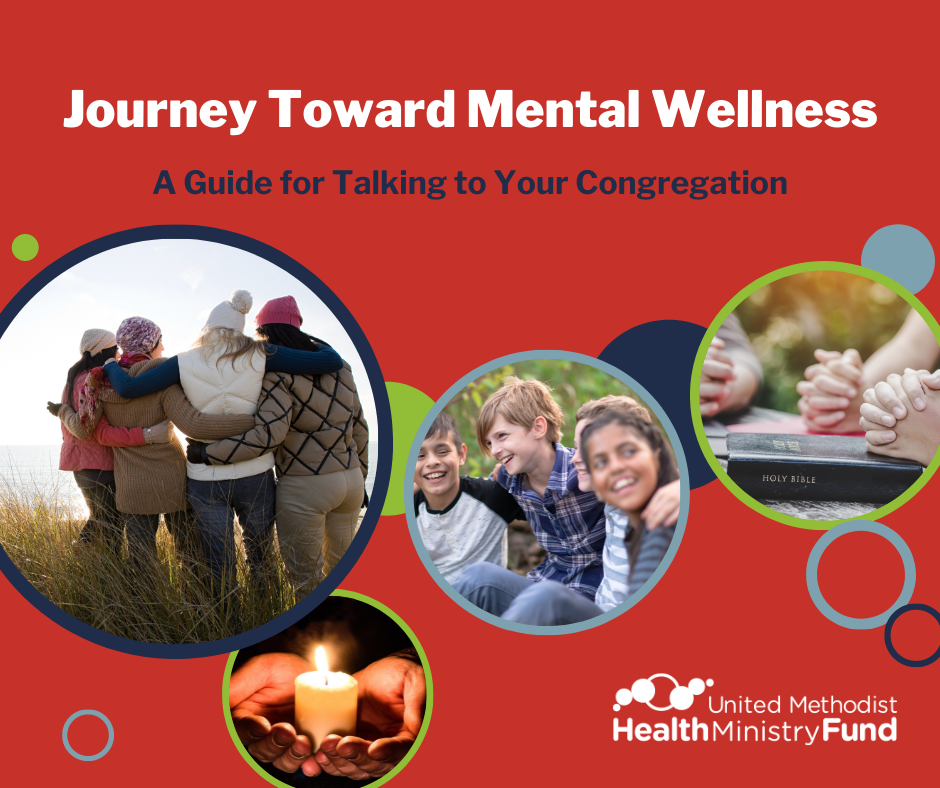
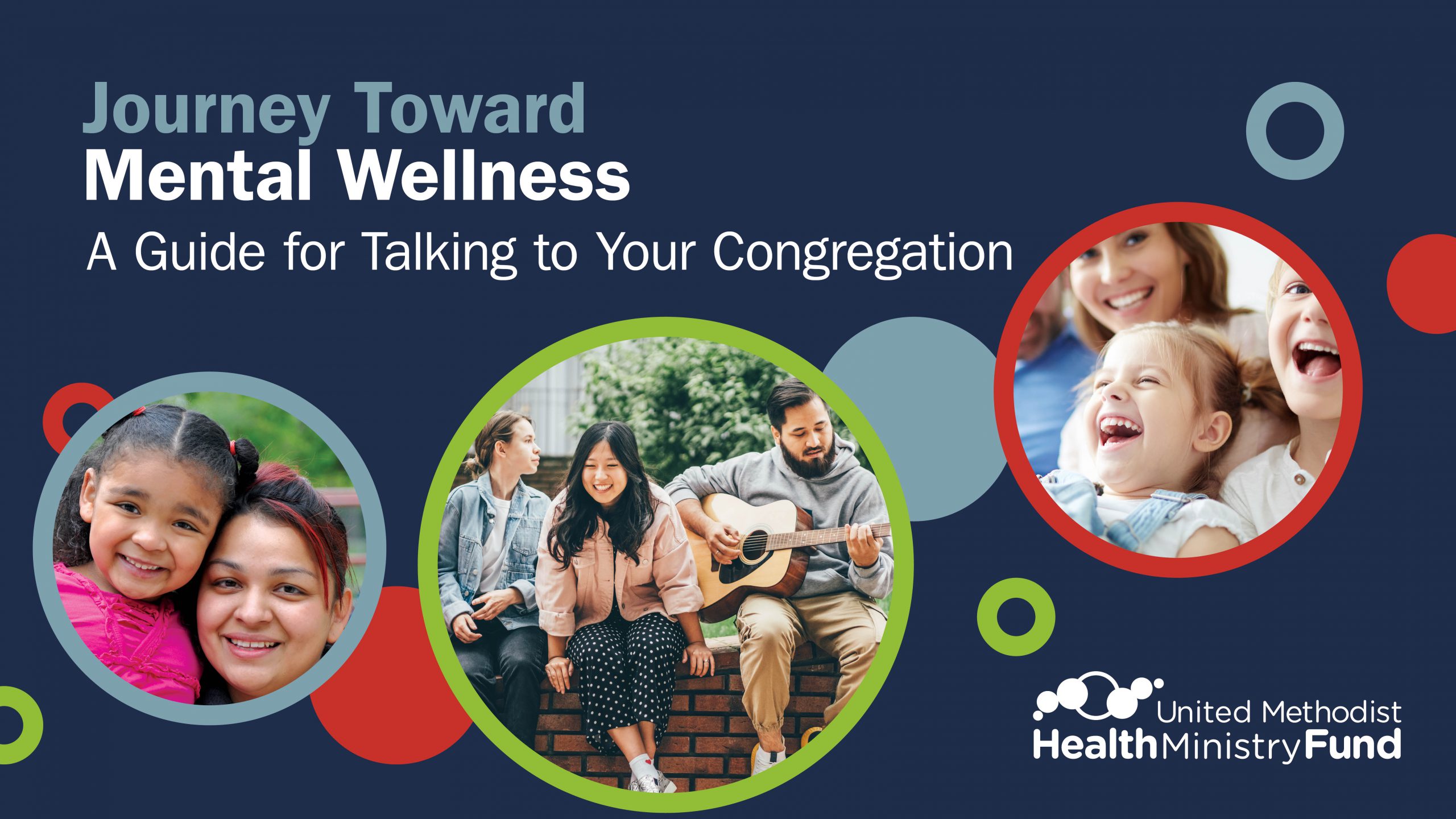
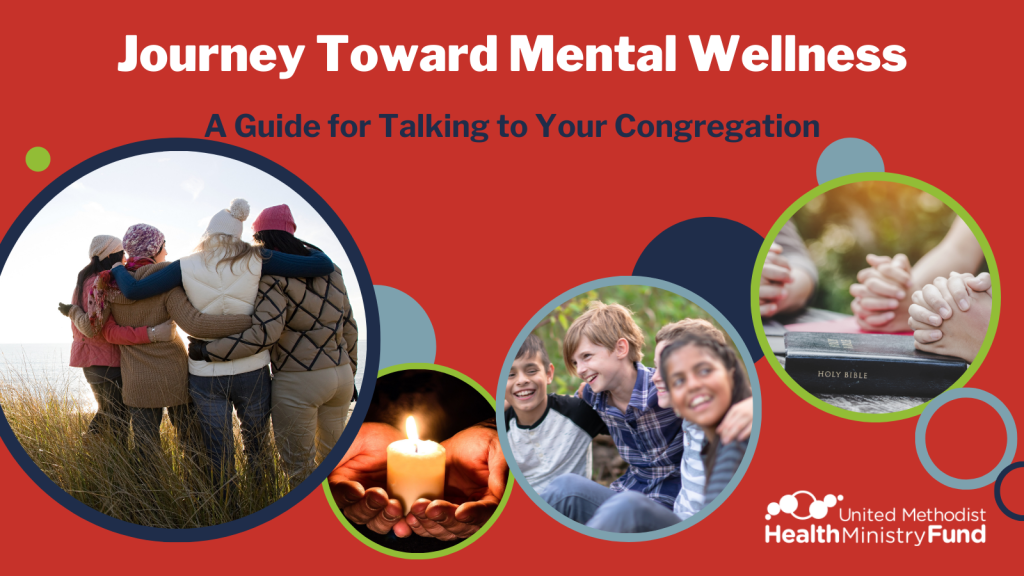
A Guide for Talking to Your Congregation: Supporting Meaningful Congregational Conversations on the Importance of Mental Wellness
Mental health is a concern across the country. However, access to mental health services is not equitable.
Access is often determined by income, where you live, awareness of local services, education about mental health and illness, and the stigma surrounding mental health.
Congregations and community partnerships are vital to improving the use of mental health services and reducing its stigma. We regularly hear that congregations need tools to help address these needs.
For use during Advent or Ordinary Time, the Journey Toward Mental Wellness sermon guide and toolkit was designed to help faith leaders begin meaningful conversations on the importance of mental health. In this sermon guide, we define mental health as something we all have. It’s a person’s psychological and emotional well-being. Having great physical, spiritual, and mental health is key to ensuring that communities thrive.
In this toolkit, you will find resources on connecting others to behavioral health services. You will also find sermons on mental health and exercises to start thoughtful discussion with your congregation.
Ultimately, we hope this guide will help your congregation create a stigma-free, supportive environment that will encourage those affected to seek help.
We’d love to hear from you! Did you use the sermon guide and/or toolkit? Would you be willing to share your feedback and experiences? Would you consider recording a brief video to share? Questions or suggestions? Please send us an email at hcnews@healthfund.org.
If you need help right now, you can reach the Kansas Suicide Prevention center 24/7 every day at 785-841-2345 or the National Suicide Prevention Lifeline 800-273-8255 (TALK). Calls are free and confidential.
Below are social media tiles to help you promote the series. We would love to know if you use the guide—please tag us on Twitter or Facebook (@umhealthfund).
The 10-week early childhood home visiting program results are promising in Kansas: healthier children, more confident caregivers, and stronger families
Can a 10-week home visiting program for caregivers of infants and toddlers result in healthier Kansas children? The results from a three-year-long initiative say yes.
From May 2017 through April 2020, the Kansas ABC Early Childhood Initiative brought the evidence-based Attachment and Biobehavioral Catch-up (ABC) intervention to five sites in Kansas to evaluate the effectiveness of integrating the program into the existing array of early childhood programs across the state.
Kansas Overall Evaluation Findings
“Our evaluation team was excited to find that the Kansas ABC Early Childhood Initiative had positive outcomes in Kansas including healthier children, more confident parents and caregivers, stronger families, and more comprehensive services and systems,” said Amy Mendenhall, director of the Center for Community Engagement & Collaboration at the University of Kansas.
Over the course of three years, 536 families were screened for toxic stress across 36 counties. In that time, 402 families were enrolled in the ABC intervention, and 682 caregivers and 907 children were impacted.
Children’s cortisol levels, an indicator of stress, became more normalized. However, the change was not statistically significant for the entire sample.
Parent coaches rated children’s overall wellbeing as more positive.
Caregivers’ knowledge, and beliefs in their caregiving abilities, increased.
In interactions with their children, caregiver intrusiveness went down, while sensitivity and delight went up.
Caregiver capabilities significantly improved.
Evaluation Findings for ABC Delivery in Spanish
The initiative included four parent coaches who delivered the program in Spanish. Approximately 41% of families served were Hispanic or Latinx, and 22% primarily spoke Spanish in the home. Overall, the findings were similar for families who received ABC in Spanish as those who received it in English.
Coaches experienced some challenges in translating the program and its core concepts. Overall, they shared positive experiences regarding the cultural relevance of the program and having a coach who spoke Spanish and was Latinx.
“It was important to have the initiative reflect the changing demographics in our state,” said David Jordan, United Methodist Health Ministry Fund president and CEO. “We were excited to see positive results for our Spanish-speaking families. We shared those findings—and the challenges in translating materials and some concepts—with the program developers at the University of Delaware.”
Lessons Learned for Policymakers and Funders
As policymakers explore evidence-based strategies to – prevent utilization of the child welfare system, – keep children with their parents in their homes, – improve health, – build parenting skills, and – address equitable attainment of education, the report detailing the Kansas experience with ABC highlights its potential as a worthy, evidence-based investment.
Kansas has already moved in this direction by providing Family First dollars to support ABC projects as part of child welfare prevention strategies deployed under Family First. Likewise, the Kansas Department of Education has recognized ABC as an approved program for equity funds at the state level, and Medicaid is reimbursing mental health providers using ABC for eligible children.
Given the success of ABC in normalizing cortisol levels and lessons learned from other states – like New York, which utilized ABC to sustainably reduce child welfare caseloads and aid reunification efforts – there is great potential for policymakers to further support evidence-based programs like ABC to advance child health and child welfare goals as well as improve educational attainment.
Continue investment from foundations and early childhood stakeholders in ABC and other evidence-based programs will offer important opportunities to test, pilot, and evaluate programs to inform and maximize the return on future investments affecting generations to come.
Five philanthropic organizations brought the ABC program to Kansas: United Methodist Health Ministry Fund, Hutchinson Community Foundation, Kansas Health Foundation, REACH Healthcare Foundation and Wyandotte Health Foundation.
NRHA announces 2022 Rural Health Fellows. This press release was originally issued by the National Rural Health Association on October 29, 2021.
The National Rural Health Association (NRHA) is pleased to announce the final selections for the 2022 class of Rural Health Fellows.
After a competitive review process, 17 fellows were selected to participate in this yearlong, intensive program aimed at developing leaders who can articulate a clear and compelling vision for rural America.
“Rural health care delivery – both inside and outside of rural hospitals and clinics – continues to confront a variety of issues that are unique to rural areas,” says NRHA CEO Alan Morgan. “Fortunately, NRHA’s Rural Health Fellows program and its graduates are prepared to effectively address these issues and strengthen rural hospitals and health care delivery across the nation by improving the quality and depth of executive leadership.”
The 2022 NRHA Rural Health Fellows are:
Leah Bouchard, Virginia Commonwealth University PhD candidate, Richmond, Va.
Jeremy Cannon, Kalkaska Memorial Health Center chief nursing officer, Kalkaska, Mich.
Nicole Carritt, University of Nebraska Medical Center director of rural health initiatives, Omaha, Neb.
Isela Garcia, New Mexico State University cancer outreach program manager, Las Cruces, N.M.
Elizabeth Hall-Lipsy, University of Arizona College of Pharmacy assistant professor of practice, Tucson, Ariz.
David Jordan, United Methodist Health Ministry Fund chief executive officer, Hutchinson, Kan.
Alyssa Meller, National Rural Health Resource Center chief operating officer, Duluth, Minn.
Andrea Mitchell, South Carolina Center for Rural and Primary Healthcare program manager, Columbia, S.C.
Quinyatta Mumford, Arkansas Department of Health section chief III, Little Rock, Ark.
Hunter Nostrant, Helen Newberry Joy Hospital chief executive officer, Newberry, Mich.
Victoria Reid, Ellenville Regional Hospital rural health network executive director, Ellenville, N.Y.
Joseph Robare, Slippery Rock University associate professor and MPH program director, Slippery Rock, Pa.
Michael Seward, Docs Who Care director of provider services, Olathe, Kan.
Thad Shunkwiler, Minnesota State University Mankato College of Allied Health and Nursing assistant professor Mankato, Minn.
Sarah Thach, University of North Carolina Gillings School MPH program assistant professor, Asheville, N.C.
Jacy Warrell, Rural Health Association of Tennessee chief executive officer, Decaturville, Tenn.
About NRHA
NRHA is a nonprofit organization working to improve the health and wellbeing of rural Americans and provide leadership on rural health issues through advocacy, communications, education, and research. NRHA’s membership is made up of diverse individuals and organizations from across the country, all of whom share the common bond of an interest in rural health.
To recognize Kansas leaders working to improve the health and well-being of Kansans and to honor the visionary leadership of our founding president, in 2018 we began presenting an annual award – the Kim Moore Visionary Leadership Award – to an individual demonstrating exceptional leadership and dedication in one of our strategic funding areas. For 2020, we selected the field of early childhood development.
In Kansas, we’re fortunate to have many visionary leaders working to ensure our children enjoy the best possible start in life and have every chance to grow up happy, healthy, and equipped for success in school and life. The number of nominations we received is a testament to the great work and strong leadership Kansas enjoys in the early childhood field, and made it difficult to choose just one for this year’s award.
On behalf of the directors and team at the Health Fund we are excited to honor Deanna Berry, Executive Director of Russell Child Development Center, as the 2020 Kim Moore Visionary Leadership Award recipient for her work to advance the field of early childhood development in Kansas.
Ms. Berry has been advancing early intervention and education for more than 20 years, leading early childhood initiatives with a strong vision and voice informed by her comprehensive understanding of multiple communities and complex local, state, and national systems as well as current research and emerging trends in early childhood. Throughout her career, Deanna has continually and consistently looked for ways to meet the needs of children and families of all backgrounds and abilities so that young children can thrive.
Through Deanna’s leadership, Russell Child Development Center (RCDC) has become a tremendous resource for Kansas children and families, delivering multiple quality early childhood programs throughout rural and frontier counties encompassing nearly 16,000 square miles and serving as a trusted voice in the field, sharing knowledge and experience with the rest of the state for the benefit of all.
RCDC provides tiny-k (Part C Special Education) services in thirteen southwest Kansas counties, and is the recipient of Early Childhood Block Grant (ECBG) funds enabling programs such as Triple P (Positive Parenting Program), Growing Together, and Learn & Play groups to be provided in 19 Kansas counties. RCDC also provides ABC (Attachment and Biobehavioral Catch-Up), Child and Adult Food Program, and Targeted Case Management. Deanna oversees all of these programs.
Thanks to Deanna’s leadership, vision, and work, many families in southwest Kansas have become stronger, many children have received the appropriate services they needed to become successful, and all of this will ensure a brighter future in Kansas.
Applications due: ongoing Application details: see below
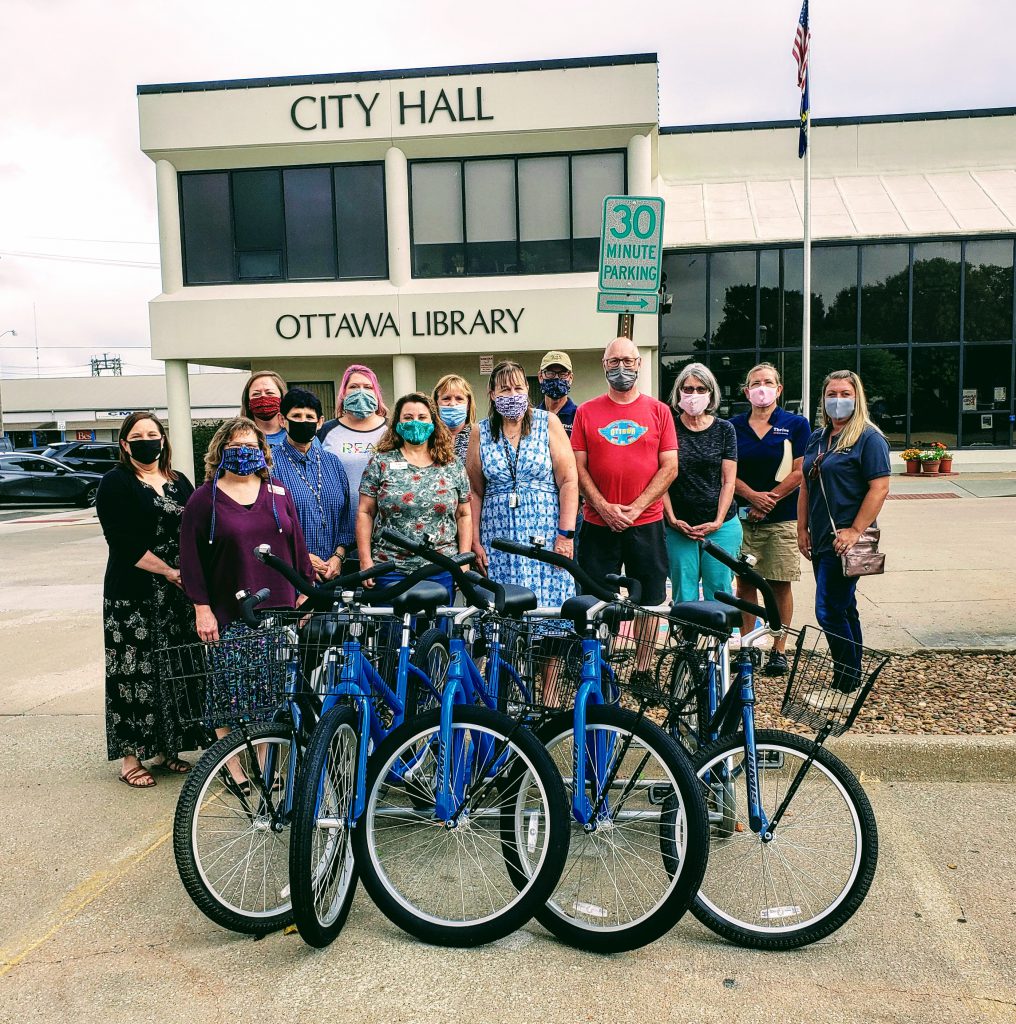
In partnership with Thrive Allen County, the Health Fund is excited to offer a special opportunity for Healthy Congregations churches to work with their rural communities to establish a free bike share program supporting active living and transportation. View a webinar about this opportunity below – slides available for download here.
Webinar recording detailing the Bike Share in a Box opportunity for Healthy Congregations.
A lead individual to work on the Bike in a Box program, along with a team or coalition to assist in making this program a success for the long term.
A location for the bike share program with an ability to assist bike share users with checking in and checking out bikes, answering questions, etc.
Ideas or connections to possible bike repair volunteers or a local bike store that can help maintain the bikes.
Enthusiasm, excitement and the understanding that every community is different and unique, meaning every community’s bike share program will operate slightly differently. Flexibility and openness are key!
Questions and Application
If you have questions and/or would like to discuss applying for one of the Bike Share in a Box grants, please contact Patrick Zirjacks at patrick@thriveallencounty.org.
If you have questions about the Healthy Congregations program, please contact our Healthy Congregations team at hcnews@healthfund.org or 620-662-8586.
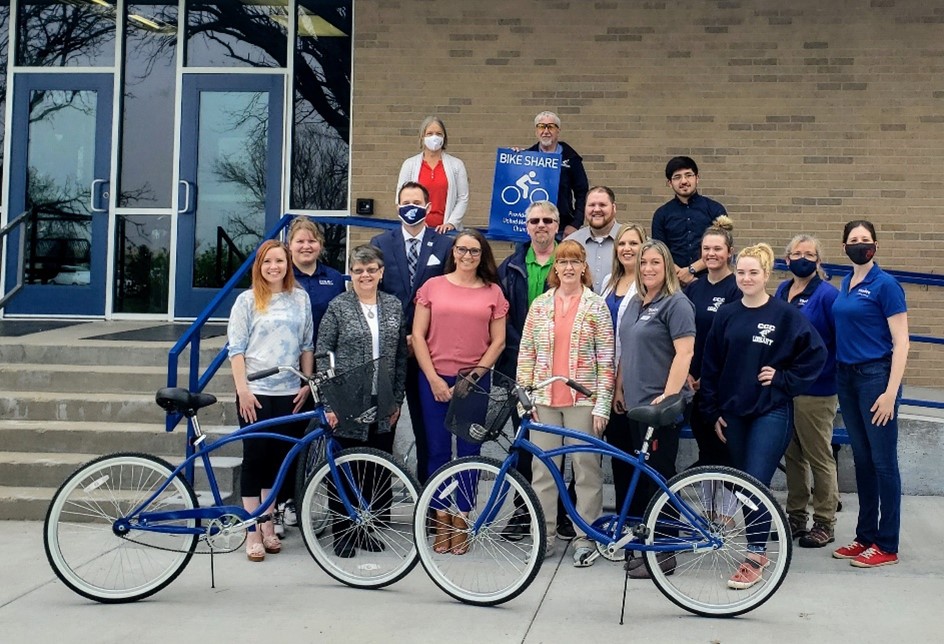
Ottawa United Methodist Church is working with its local library, which shared that a few people check bikes out for a week at a time as it’s their only transportation to and from work.Colby United Methodist Church tapped into an unmet need when it partnered with the local community college; students use the bikes to make shopping easier.