Category: News

Improving Racial Equity in Kansas

A Three-Part Series Examining the Commission on Racial Equity and Justice’s Final Recommendations

Following months of discussions with community members and stakeholders, the Governor’s Commission on Racial Equity and Justice developed recommendations to address racial equity in Kansas by focusing on social determinants of health, particularly looking at factors that influence the economic, educational, and health outcomes of our citizens.

The Commission’s recommendations address items that may take place on the state/agency, legislative, and/or local level. Each webinar in this series explores recommendations applicable at a specific level of government.

Examining CREJ Legislative Recommendations

This webinar details the Governor’s Commission on Racial Equity and Justice’s final recommendations for legislative changes that would influence the economic, educational, and health outcomes of our citizens.

View the slides from the legislative level webinar.

Examining CREJ Local Government Recommendations

This webinar details the Governor’s Commission on Racial Equity and Justice’s final recommendations for local government changes that would influence the economic, educational, and health outcomes of our citizens.

View the slides from the local level webinar. This webinar was co-sponsored by the Kansas Association of Counties, League of Kansas Municipalities, and the KU School of Public Affairs and Administration.

Examining CREJ State and Agency Recommendations

This webinar details the Governor’s Commission on Racial Equity and Justice’s final recommendations for state and agency changes that would influence the economic, educational, and health outcomes of our citizens.

View slides from the state and agency level webinar. This webinar was co-sponsored by the KU School of Public Affairs and Administration.

In Support of Postpartum Coverage

We support and invest in early childhood initiatives because research shows investing early creates the best health outcomes and the greatest return on investment. To ensure the healthiest start for Kansas kids, we also support policies that lead to healthier parents and healthier families.

Health Fund President David Jordan recently submitted testimony to both the Kansas House and Kansas Senate in support of extending postpartum KanCare coverage to 12 months, universal home visiting, and adding adult dental coverage to Medicaid benefits.

2021 Year in Review Released

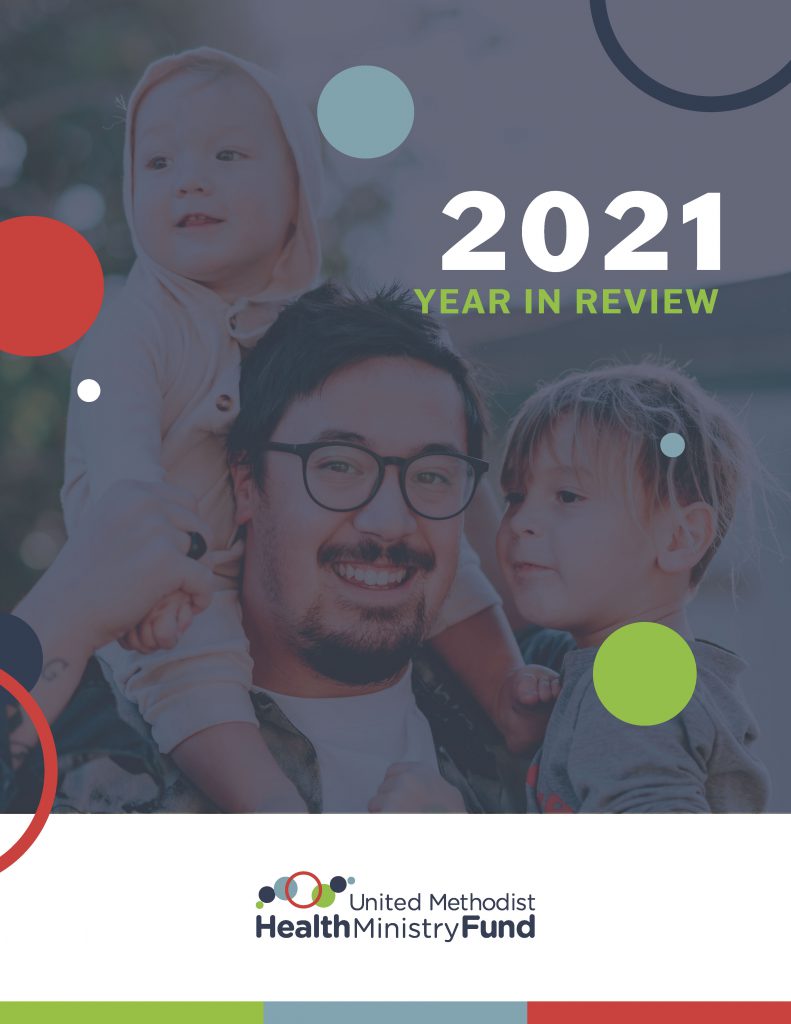
2021 Year in Review

As we reflect on the highlights of another challenging year, it is important to celebrate where we have been and the partnerships that we have forged to improve health. Inside:

  • Updates on Access to Care, Early Childhood Development, and Healthy Congregations
  • Board and staff updates
  • Award announcements
  • Financial summary

Rainbows United Receives Project of the Year Award

Rainbows staff pictured L to R: Audra Kenneson, LMSW – Mental Health Coordinator; Cindie Silmon, LCMFT, RPT – Mental Health Specialist (ABC Home Visitor); Leslie Stevens, LCMFT – Mental Health Specialist (ABC Home Visitor); Deb Voth – President; Debbie Mai, Former Vice President of Programs and Services

Each year, the Health Fund board selects one outstanding grant-funded project to receive the Janet Sevier Gilbreath award, named in honor of our first board chairperson. The award recognizes a project which has done the most to advance the Fund’s and Janet’s vision of health for all Kansans and demonstrates scale, achievement, leveraging, operational excellence, social justice and diversity.

Rainbows United, Inc., Wichita, received the 2020 award for its participation in the Kansas Attachment and Biobehavioral Catch-up (ABC) Initiative Grant, supporting implementation of an evidence-based home visiting model to build attachment and mitigate the effects of toxic stress in young children.

“Each year our board faces a difficult task in picking just one outstanding project to receive this award. The entire ABC initiative and all five sites involved have done amazing work to build stronger relationships between young children and their caregivers,” said Katie Schoenhoff, director of programs. “Our board selected Rainbows for the Janet Sevier Gilbreath award because of their impressive outcomes, strong peer leadership, and their demonstrated sustainability of the project.” 

 Health Fund: Congratulations on receiving the Janet Sevier Gilbreath Award. Your organization has reported the best outcomes of all the agencies in the Kansas ABC project. What are some of the outcomes your home visitors have seen?

 Rainbows: Over the five years of providing this service, we have been fortunate to see firsthand the positive impact of early intervention mental health services in the lives of the families we serve. As one of our ABC home visitors reported about a child who initially showed anger and frustration while seldom going to his mother for help. “Through the mom’s hard work, this little guy is more engaged and bonded with her. When he is upset he goes to her for comfort and he does not get mad at things as easily as when he first began the program.” The big success was when the mom reported, “He enjoys playing with me, now!”

 Health Fund: Rainbows has shown exceptional leadership in the ABC project. You’ve helped other sites determine how to best integrate ABC into their organizations, have invited them to training opportunities, and openly shared templates and tracking systems to help other sites efficiently implement the ABC program. What’s your organization’s philosophy on peer leadership and learning communities?

Rainbows: At Rainbows, we have 10 Guiding Principles that help us navigate our work with children and families. One of those guiding principles is that we “Achieve success through teamwork, partnerships, and collaboration” and another is that we “Demonstrate leadership in our industry.” Those are two guiding principles highlighted in our work as we collaborate on the ABC project. From all levels of work being done at Rainbows, we believe that families are best served when we help each other.

Health Fund: At the Health Fund, we often fund grants to test, pilot, and evaluate programs with the hope that they can be scaled and achieve sustainability. Rainbows has shown great success in implementing the ABC program. Please share your efforts to sustain ABC.

Rainbows: Through the generosity of the Health Fund, we were able to achieve a long-time goal of our agency: Explore the options of billing Medicaid for Mental Health services, which meant we also needed to prepare to diagnose very young children. It was important to us to explore our options, understand guidelines, and ensure the work we did was accurate. The Health Fund allowed us to take our time to ensure that we did everything correctly. During the third year, we began to successfully bill for services. In addition, prior to the pandemic, Rainbows took part in fundraising specifically earmarked for early childhood mental health services. 

2021 Kim Moore Visionary Leadership Award Announced

Each year we honor the visionary leadership of our founding president by recognizing a visionary leader in one of our strategic focus areas. For 2021, we awarded the honor to Dr. Christine Fisher, medical
director of First Care Clinic, Inc. (FCC) in Hays, for her work in advancing access to care in Kansas.

Dr. Fisher has integrated behavioral health into the medical practice at FCC. She has also added TRUE Health peer learning classes to bring individuals together that have similar chronic diseases and provide
education from medical and behavioral health professionals with the goal of participants improving their lifestyle through behavior changes.

Dr. Fisher has redefined how medical care is delivered at FCC by implementing a nurse closer who
completes any needed follow-up services with the patient before they leave and recaps all instructions
and next steps. This has increased patient satisfaction and the nurses’ job satisfaction.

As a result of Dr. Fisher’s leadership FCC’s quality of care indicators were ranked in the top ten percent
of health centers nationally during the 2020 calendar year. The changes implemented by Dr. Fisher
through her leadership have made a positive impact on many northwest Kansas residents.

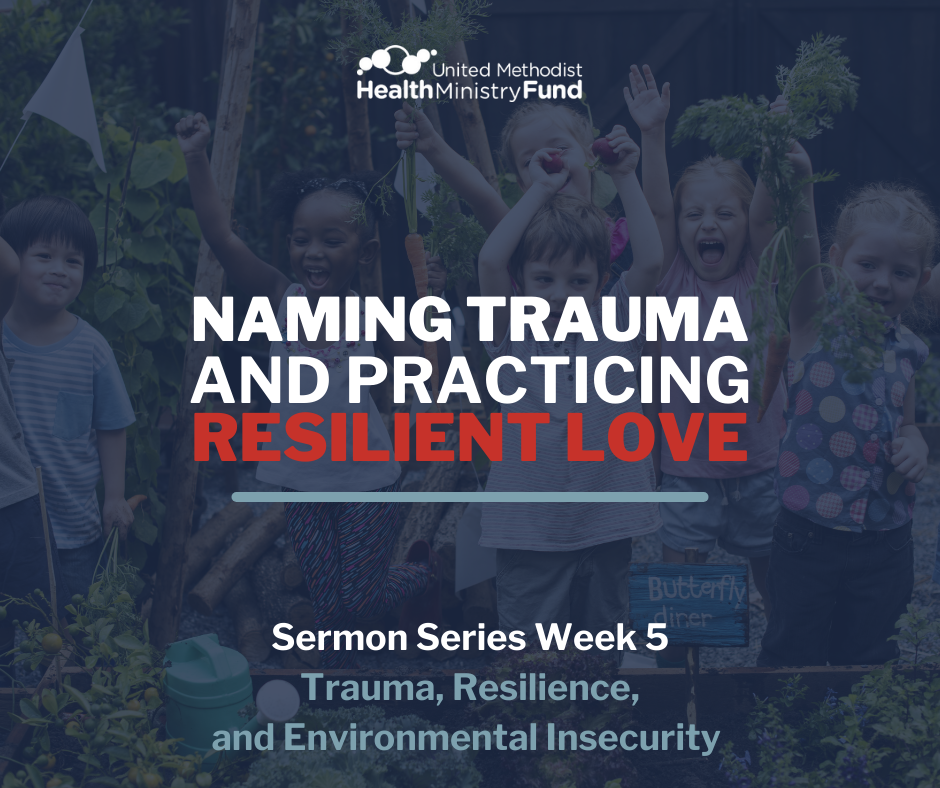
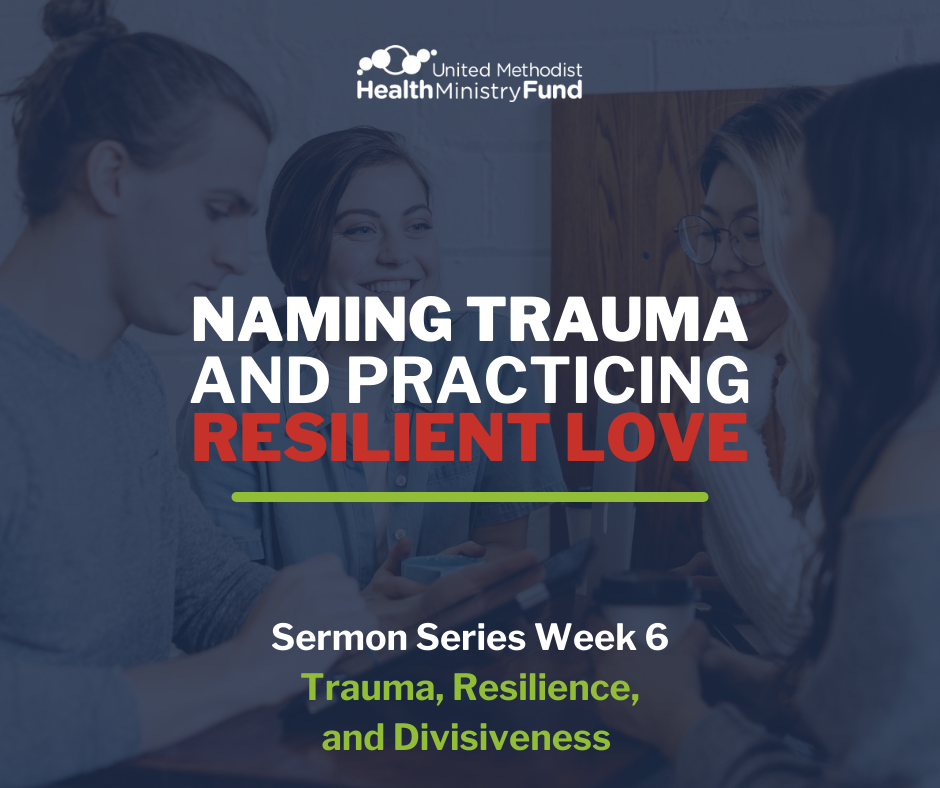
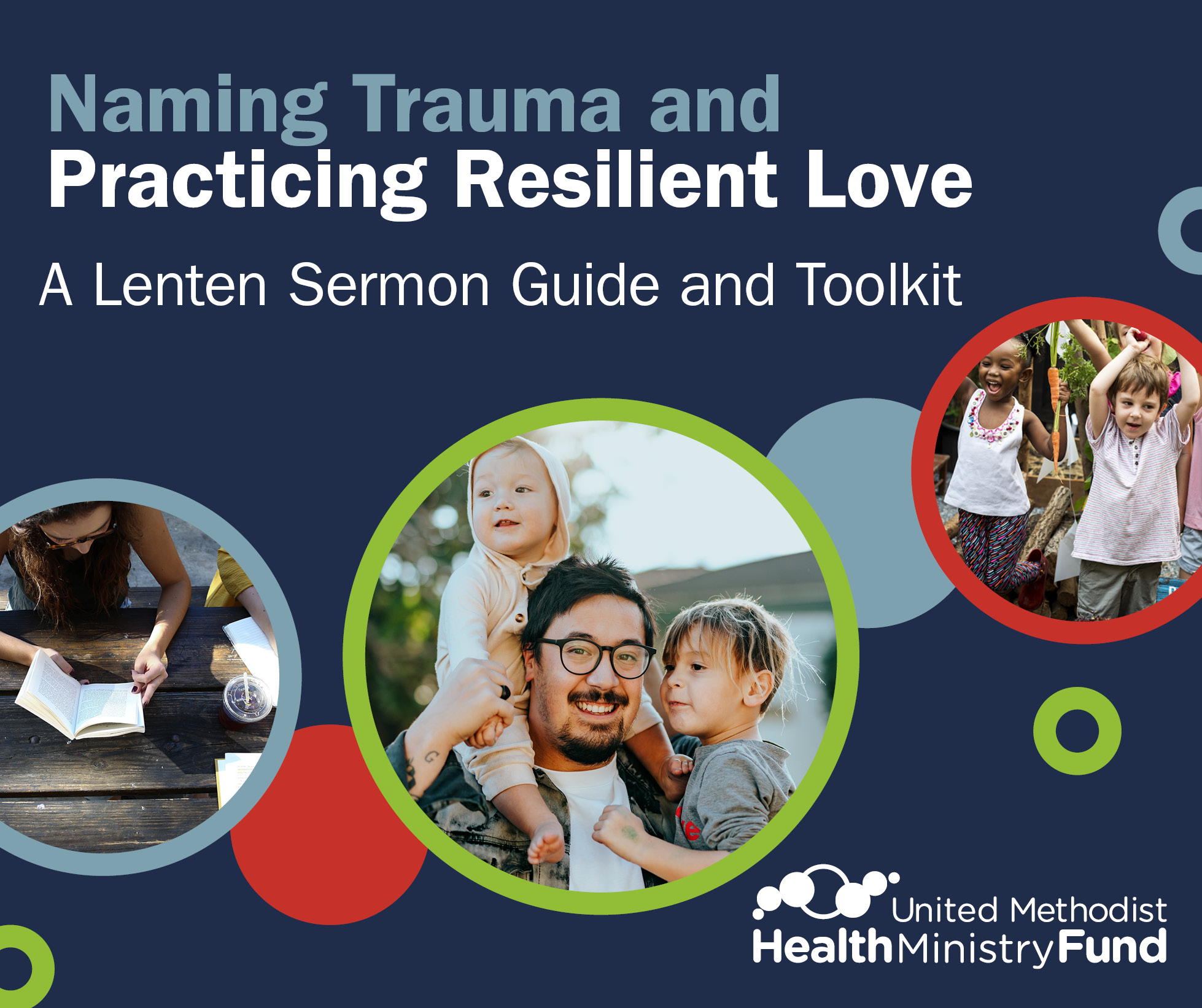
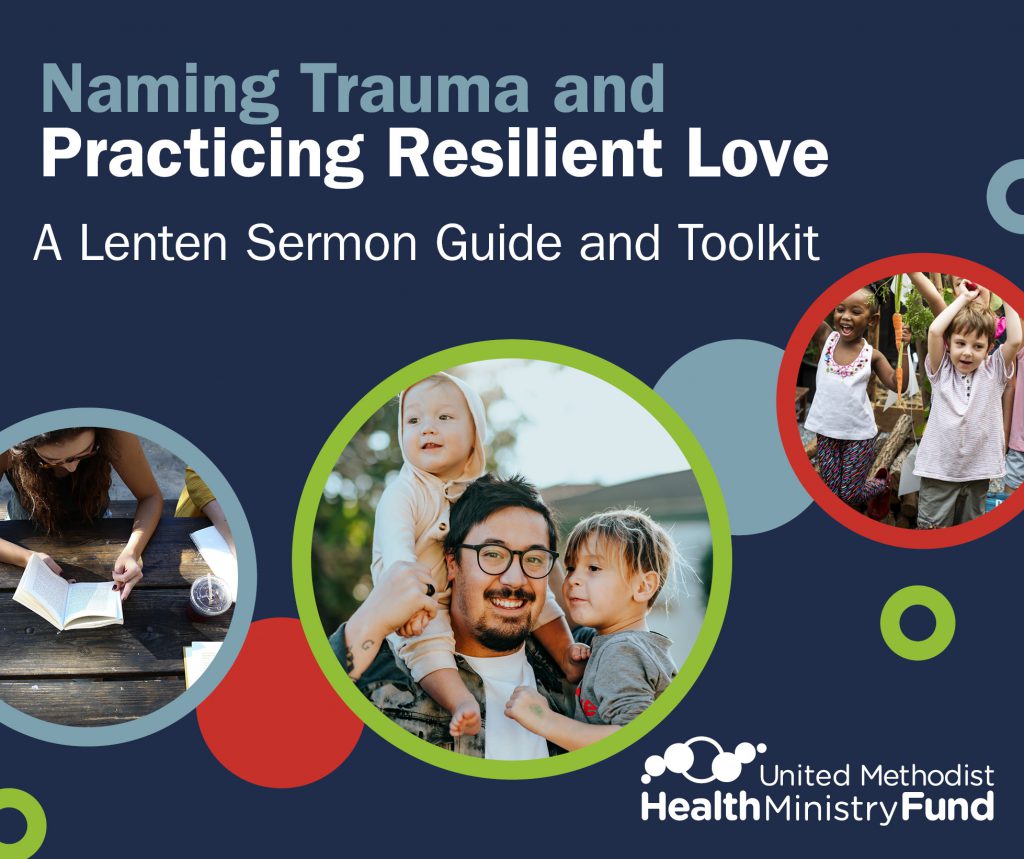
Naming Trauma and Practicing Resilient Love

A Lenten Sermon Guide and Toolkit

At the Health Fund, we have partnered with non-profit organizations, universities, and state agencies to make healthcare more accessible for all Kansans. Yet, we know that the heartland holds a variety of lived experiences and histories that can leave negative imprints on their bodies that show up physically and emotionally in long-lasting ways. We call this trauma.

There has been a growing recognition of the lifelong effects of trauma, particularly from adverse childhood experiences (ACEs) such as poverty, abuse, or neglect. Research demonstrates the best way to offset the impact of ACEs is through strong, stable, and nurturing relationships, especially with caring adults. A major focus area of our work at the Health Fund is early childhood development, including work to help families and communities build resilience in order to prevent and mitigate the impacts of trauma.

We know that untreated trauma negatively impacts the quality of life for the trauma survivor and those closest to them. Trauma may contribute to behaviors linked to poor health outcomes, like isolation from others, poor impulse control, anxiety, or increased use of substances to numb the pain or shame from intense feelings. Our vision for this sermon guide is to help individuals and communities recognize trauma and seek healing through resilient love.

Practicing resilient love helps individuals and communities return to the healthiest versions of themselves while simultaneously creating space to receive and give compassion, love, and respect to their neighbors who may have lived and experienced different realities from their own. Turning away from shame and drawing closer to Christ emboldens communities to call out the impact of trauma on their physical and emotional health.

In this sermon guide and toolkit, you will find a call to worship, hymns, children’s sermon, exegesis, sermon notes, and benediction to lead a seven-week Lenten series centered on the trauma experienced from economic hardship, relational wounds, environmental insecurity, and communal divisiveness. Included are resources on understanding trauma and connecting others to behavioral health services in Kansas and Nebraska.

We’d love to hear from you! Did you use the sermon guide and/or toolkit? Would you be willing to share your feedback and experiences? Would you consider recording a brief video to share? Questions or suggestions? Please send us an email at hcnews@healthfund.org.

Additional Resources:

Social Media Tiles

Below are social media tiles to help you promote the series. We would love to know if you use the guide—please tag us on Twitter or Facebook (@umhealthfund).

Facebook

Twitter

Colby UMC honored by state

Colby United Methodist Church received the organizational honorable mention for the 2022 Kansas Health Champion Award.

The Kansas Department of Health and Environment (KDHE) and the Governor’s Council on Fitness (GCOF) presented the 2022 Kansas Health Champion Awards during the Community Health Promotion Summit today, Thursday, January 27.

The Health Champion Award was developed by the Governor’s Council on Fitness to recognize and promote exemplary contributions to fitness in Kansas. Those recognized include an individual and organization, as well as honorable mentions in each category.

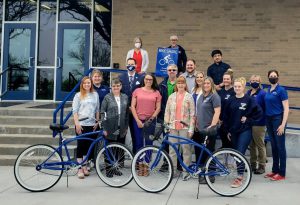
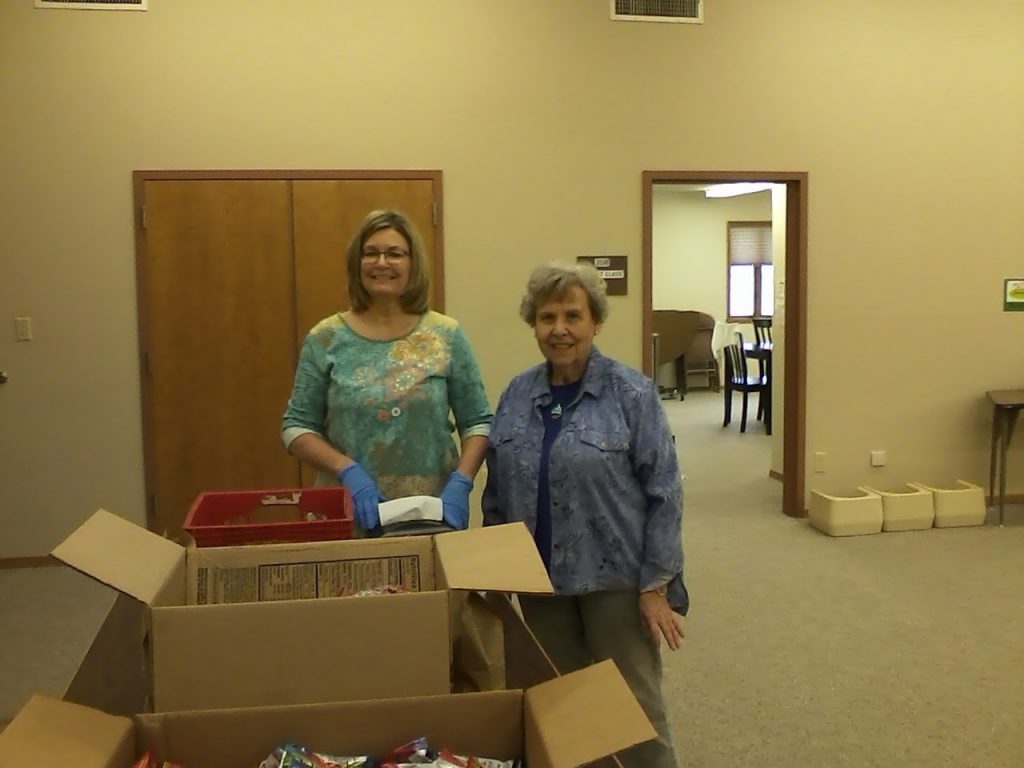
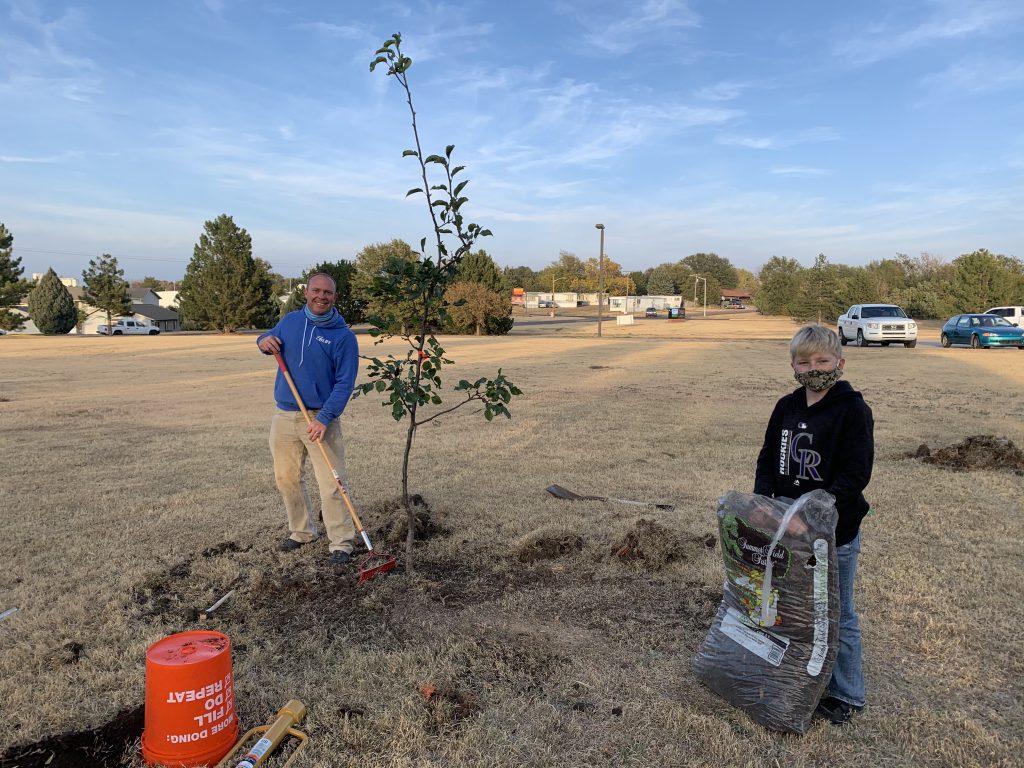
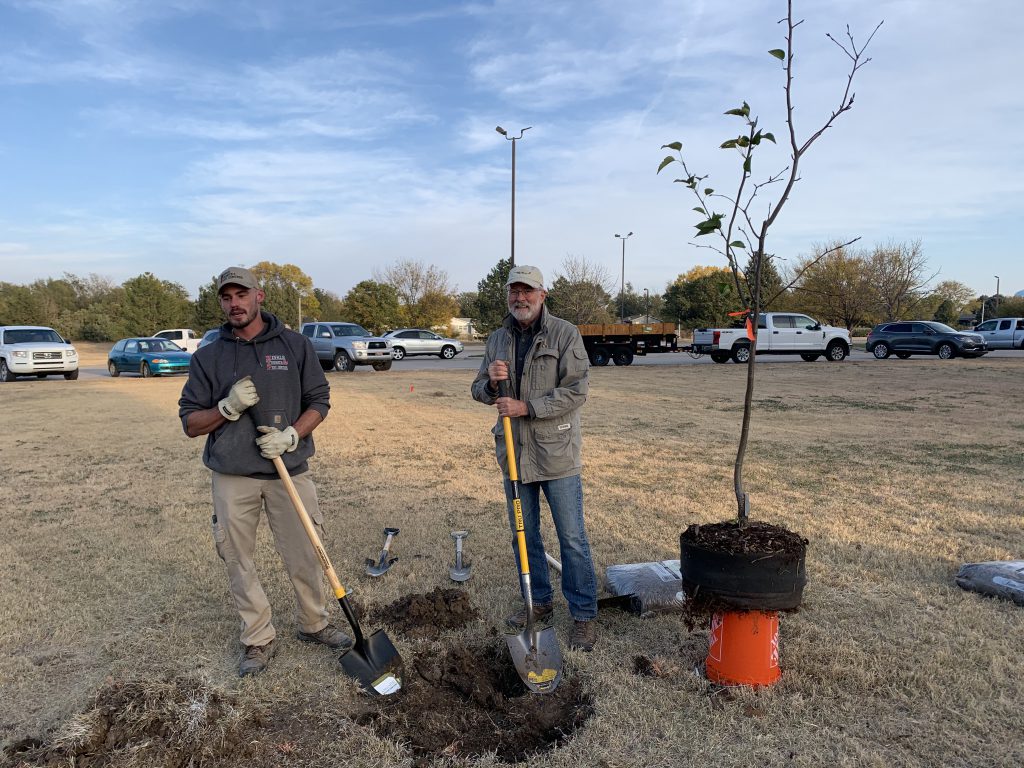
Colby United Methodist Church (UMC) was selected as the 2022 Kansas Health Champion Organizational Honorable Mention. Colby UMC is an active member of the Health Fund’s Healthy Congregations program. Colby UMC has participated in programs that seek to address food insecurity, such as partnering with the school district and other organizations to support the Summer Food Service Program for their community. They have worked with the Thomas County Coalition to start a community garden and orchard, plus Colby UMC has worked with additional partners in the community to support a free bike share program.

Katie Schoenhoff, Health Fund director of programs, nominated Colby UMC. Schoenhoff said, “Colby United Methodist Church has long demonstrated an outstanding level of commitment and service to the health and wellness of both congregation and community, going beyond expectations to address not only immediate needs but also the underlying social determinants of health. Their partnerships with local organizations have supported both the sustainability of their efforts and increased community engagement.”

Healthy Congregations Webinar: Healthy Start to ’22

The past two years have been difficult. Many people have experienced a toll on their physical, mental and spiritual health.

The new year is an opportunity to take a fresh look at how your church can impact the health of your congregation and community. View the recording from our live webinar held on January 6, 2022. We heard from Healthy Congregations churches on innovative ways they have used their annual grants as well as their successful implementation of special grant opportunities.

Interested in a specific topic? Click the timestamps below.

  • 0:00:00 – Introduction
  • 0:03:57 – Financial Health-Take Control Collaborative Training
  • 0:25:18 – Good Neighboring Experiment
  • 0:43:42 – Colby UMC shares their experience with The Big Garden, Bike Share in a Box, The Giving Grove, Summer Food Service Program
  • 1:02:20 – Newton UMC shares how they energized congregants around other facets of social determinants of health such as voting, racial equity, social isolation
  • 1:24:39 – Upcoming special grant deadlines

Health Fund Celebrates 35 Years and $75 Million

This year, like last, challenged all of us to adapt and to navigate new challenges and, in some cases, loss.  However, we also saw progress in 2021. As we reflect on 2021 and look forward to 2022, it is important to celebrate.

At the Health Fund, we celebrated two major milestones. We turned 35, and in our first 3.5 decades of grantmaking we invested more than $75 million into improving the health and wholeness of Kansans.

Often, anniversaries and monetary milestones feel most important for the people celebrating them. But these two milestones reflect our strong relationships across Kansas in health care, early childhood development, and United Methodist churches. This is a celebration of the more than 850 organizations impacted and 2,800 projects supported.

“Seventy-five million dollars in grants and 35 years of service are both major milestones. They demonstrate the continued dedication of board members, staff, and partners to improving the health of all Kansans,” said David Jordan, president and CEO of the Health Fund. “Together, we will continue to address the social and economic forces affecting overall health and work to make Kansas a healthier state.”

A community health worker pilot program, the Kansas ABC initiative, and Mental Health First Aid training all illustrate the breadth of the Fund’s work, and how our three focus areas all improve the health of Kansans.

Access to Care: Exploring the Efficacy of Community Health Workers in Improving Outcomes

In 2021, the Health Fund supported five community health worker positions across the state. The pilot program is exploring if health outcomes are improved by having community health workers—who are culturally competent frontline workers—help patients navigate the health care system.

Early Childhood Development: Intervening Early in Caregiver/Infant Relationships

When children face toxic stress, they face worse health outcomes. The Health Fund, in partnership with four other foundations, has led the Kanas ABC Initiative, to determine if the Attachment and Biobehavioral Catch-Up program (ABC) would help buffer the harmful effects of toxic stress on infants. The 10-week program is an evidence-based parenting intervention for caregivers of infants and toddlers. So far, the initiative has shown promise in Kansas.

Healthy Congregations: Teaching Lay People Strategies to Help Individuals in Crisis

Churches in our Healthy Congregations program asked for more resources on mental wellness, which were especially needed as congregations and communities continued to cope with the COVID-19 pandemic. We offered two sessions of Mental Health First Aid, a one-day training where participants learn risk factors and warning signs for mental health and substance abuse concerns, as well as strategies to help someone in crisis and non-crisis situations. Both sessions filled and we will offer at least ten sessions of this valuable course in 2022.

What’s Ahead

In 2022, the Health Fund will finish the final year in our current four-year strategic plan, as well as unveil the next plan. We look forward to continuing to work together to improve the health of Kansans.

About the Health Fund

In 1986, the United Methodist Health Ministry Fund started with a $30 million endowment established from the sale of Wesley Hospital. The Health Fund works to facilitate conversation and action to improve the health and wholeness of Kansans—especially those in rural and under-served communities. By funding programs, moving ideas to solutions, providing hands-on expertise, and convening influencers, we work to advance innovative solutions to improve Kansans’ health for generations to come. We steward a $70 million endowment, which has provided more than $75 million in grants and program support since our inception.
© United Methodist Health Ministry Fund