Author: Jeff

Looking ahead, here’s how we can support the health care workforce of a changing Kansas

This opinion piece by Health Fund President David Jordan originally appeared in the Kansas Reflector on November 17, 2022, the second in a two-part series on current and emerging challenges and how Kansans are looking ahead to develop innovative solutions and ensure health care for generations to come.

Health care is vital for our communities — and under increasing pressure. In part 1 of this series, we looked at challenges Kansas faces in supporting the health care systems and workforce needed for our communities to thrive.

By recognizing shifting demographics, workforce challenges and changes in health care delivery, we have the opportunity to build a sustainable health care system for the future.

To plan ahead and better understand the health care workforce crisis, United Methodist Health Ministry Fund commissioned research examining the current health professional education pipeline in Kansas. KU School of Medicine and McPherson College researchers analyzed 2019 program completion data using the National Center for Education Statistics’ Integrated Postsecondary Education Data System (IPEDS).

As health care faces significant staffing shortages, the report illustrates an opportunity for Kansas — with health profession programs located throughout the state — to strengthen that foundation and increase our homegrown workforce.
View the full Health Education Professions Across Kansas report here

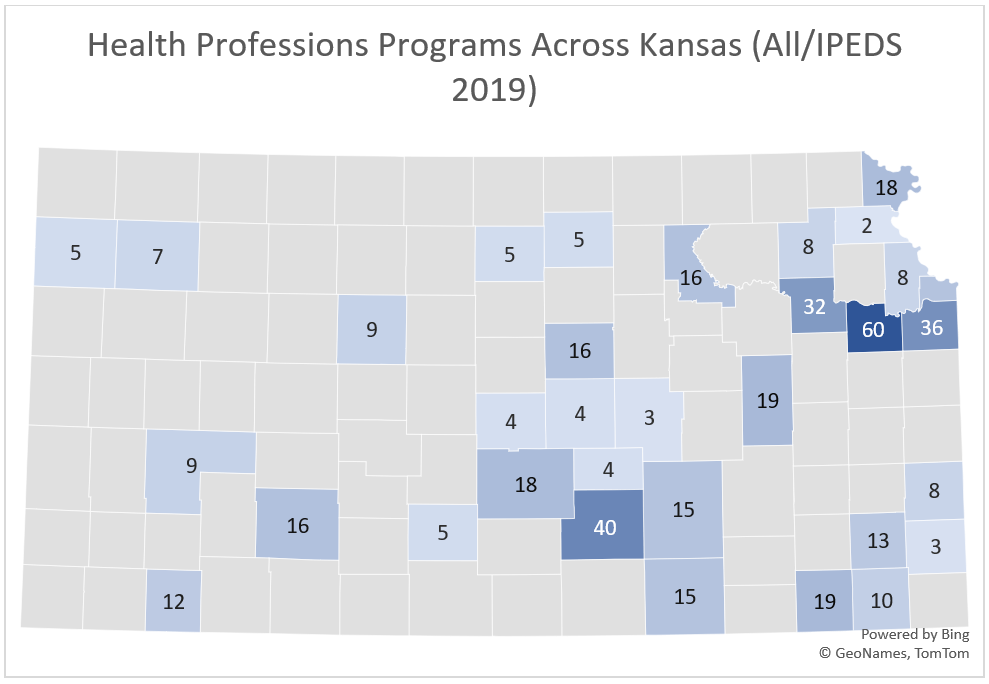
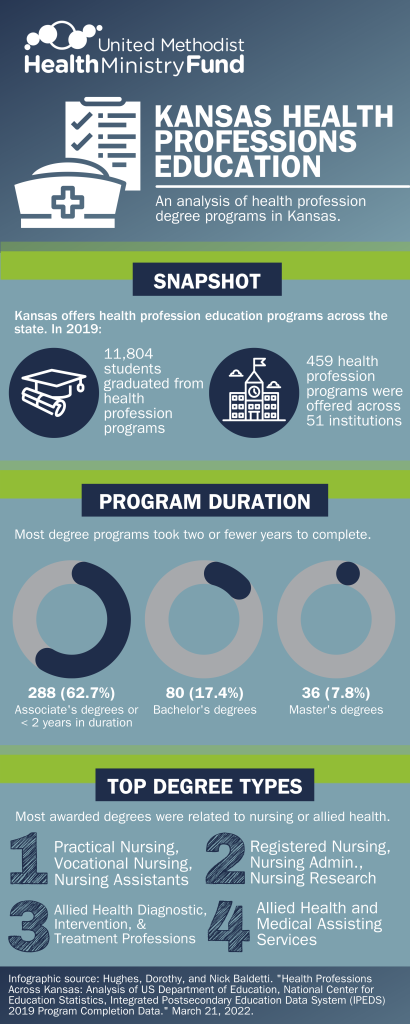
In 2019, 11,804 students graduated from 459 health profession programs located across 51 Kansas institutions. Most (62.7%) completed degree programs of two years or less in duration. The largest number of graduates completed degree programs in nursing or allied health.

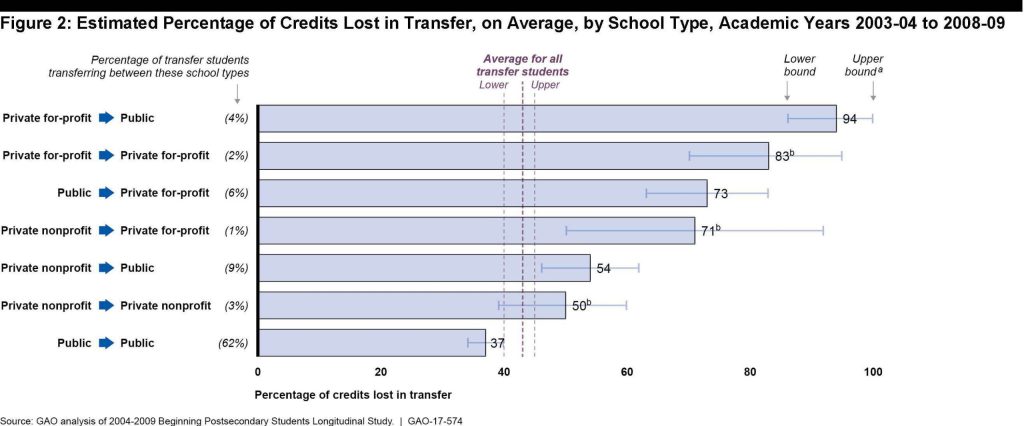
With most graduates from programs with two years or less of training, to reduce credit loss and barriers to additional training and degree attainment we need to ensure accessible transfer pathways from two-year to four-year post-secondary institutions. We also should examine policies to require credit transfers between Kansas higher education institutions.
Likewise, we need to align secondary, technical education and postsecondary education programs, and ensure health care training completed in high school is transferrable and aligned with degree programs and employer needs.

We should continue to invest in nontraditional workforce development programs such as Gov. Laura Kelly’s recently launched Office of Apprenticeship, which seeks to develop and train new talent in critical industries such as healthcare.
We need to examine scope of practice and payment policies to best use our workforce, and implement smart systems and policies enabling every provider on the team to practice to the top of their scope.

One example is the newly-recognized community health worker program in Kansas, which trains community members in a certificate program to provide crucial health coaching, resource and care coordination services, education, and navigation services. CHWs help consumers better navigate systems and reduce use of high-cost services. They allow providers to focus on practicing to the top of their scope, reducing burdens on overworked staff. While CHWs are now certified, we need to change Medicaid reimbursement policies to ensure providers can be paid for their services.

We have an opportunity to better leverage providers such as physician assistants, dental therapists and others to provide care under doctor-led teams. Expanding team members’ scope of practice can increase capacity and address workforce challenges.

We can leverage technology to maximize our workforce and better serve Kansans. Telehealth provides that opportunity. Before COVID-19, just 11% of US consumers were using telehealth, but in 2020 its unique advantages (especially in rural areas) became clear. Now, consumers and providers agree telehealth is here to stay, playing a key role in integrated, patient-centered systems of care.

Ensuring all Kansans have access to reliable broadband allows us to distribute workforce and re-design our health system in a different way. Residents can access hard-to-recruit specialty care in their communities, benefiting them while reducing burdens of recruitment. However, we must change policies to foster this innovation for the long term.

Workforce competitiveness requires a financially viable system. Kansas is one of only 11 states that has not expanded Medicaid, putting hospitals and other providers at financial risk. Expansion would eliminate high levels of uncompensated care, helping prevent further hospital closures and benefitting all Kansas health providers.

Changing needs require new approaches. Under the Rural Emergency Hospital model, hospitals continue providing emergency services and routine care but discontinue acute inpatient care.

Beyond direct workforce and health system issues, we need to ensure Kansas has community supports to ensure health care workers remain in Kansas, including child care. A 2020 study reported only 3% of Kansas counties met desired capacity — before COVID-19. While solving the child care crisis requires sustained work at all government levels, we can take steps today, including better use of child care subsidies.

There is no single solution. Increasing our health care workforce requires research, collaboration, policy change and willingness to change the status quo. Kansans, working together, can ensure our communities have health care and thrive for generations. Join the conversation at https://communityconversationsks.com.
How we can all nurture the health care workforce for a changing Kansas

This opinion piece by Health Fund President David Jordan originally appeared in the Kansas Reflector on November 10, 2022, the first in a two-part series on current and emerging challenges and how Kansans are looking ahead to develop innovative solutions and ensure health care for generations to come. View part 2: Looking ahead, here’s how we can support the health care workforce of a changing Kansas

To plan for the future and better understand the health care workforce crisis, United Methodist Health Ministry Fund commissioned research examining the current health professional education pipeline in Kansas.

Health care is vital for our communities, but our ability to maintain the workforce needed to adequately deliver that care is under pressure. In this two-part series, we look at current and emerging challenges, as well as how Kansans are looking ahead to develop innovative solutions and ensure health care for generations to come.

Kansas faces many challenges in delivering health care, especially in rural areas. The state is experiencing shifting demographics, uninsurance rates higher than the national average, and difficulty attracting and retaining workers.

As we plan for the future, we need to consider how outside factors will affect demand for workers, who we are recruiting to the health care workforce, where and how they will be trained, how technology will impact care delivery, and where providers will need to be located.

Kansas’ population trends will affect demand and workforce composition

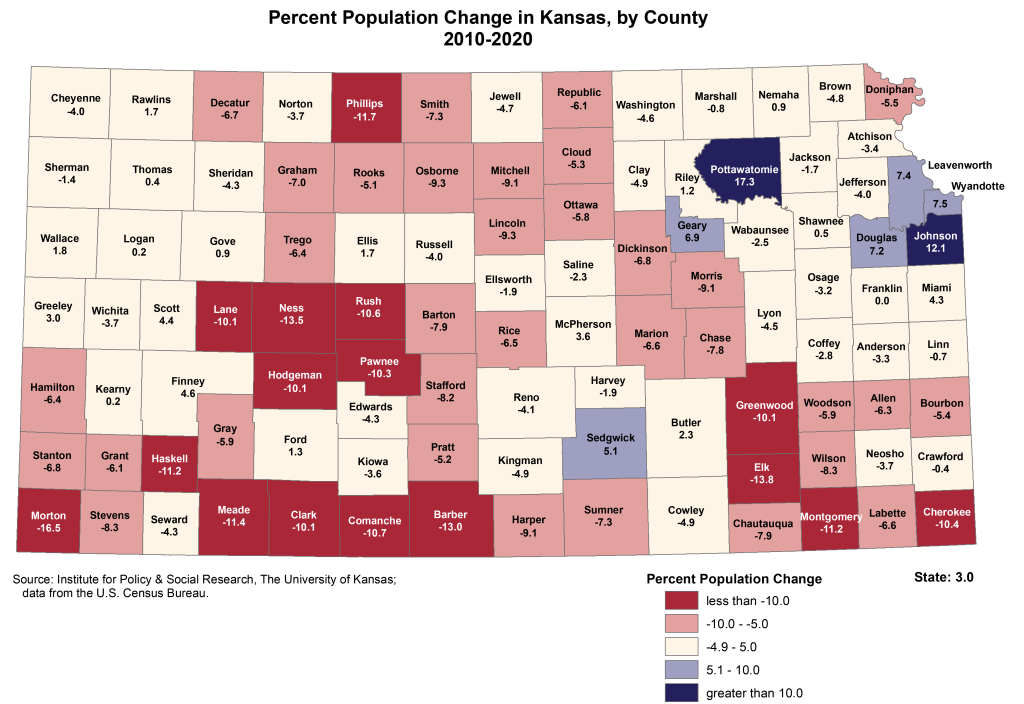
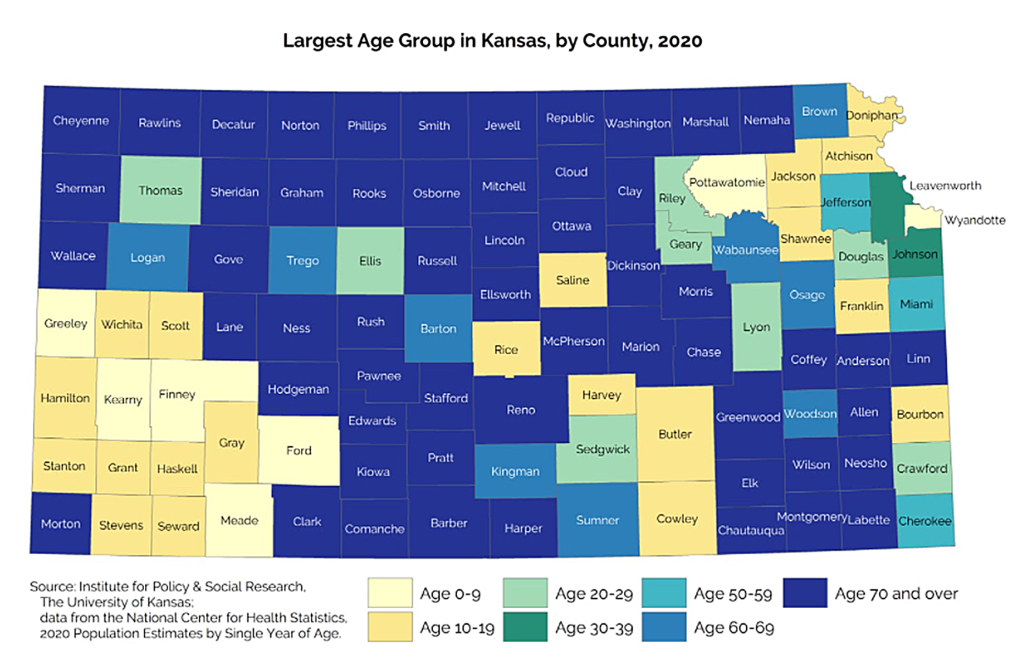
Our population is growing slowly, mostly in cities, and older, as depicted below. WSU CEDBR projects by 2064 a 33% decline in rural population, a 6.5% decline in micropolitan areas and that one quarter of Kansas residents will be over age 65. Older and rural populations tend to be less healthy and require additional care.

At the same time, over the past 20 years, the Kansas population has grown more diverse, a trend expected to continue. A 52.5% increase in minority populations (any group other than non-Hispanic White) generated the only population growth in Kansas this century.

That trend makes it critically important for Kansas to address longstanding racial and ethnic disparities in health, poverty rates and educational attainment. Training and hiring culturally competent health care workers will become increasingly important to addressing health inequities and building a health care system to meet future needs.

COVID-19 worsened an already inadequate supply of providers

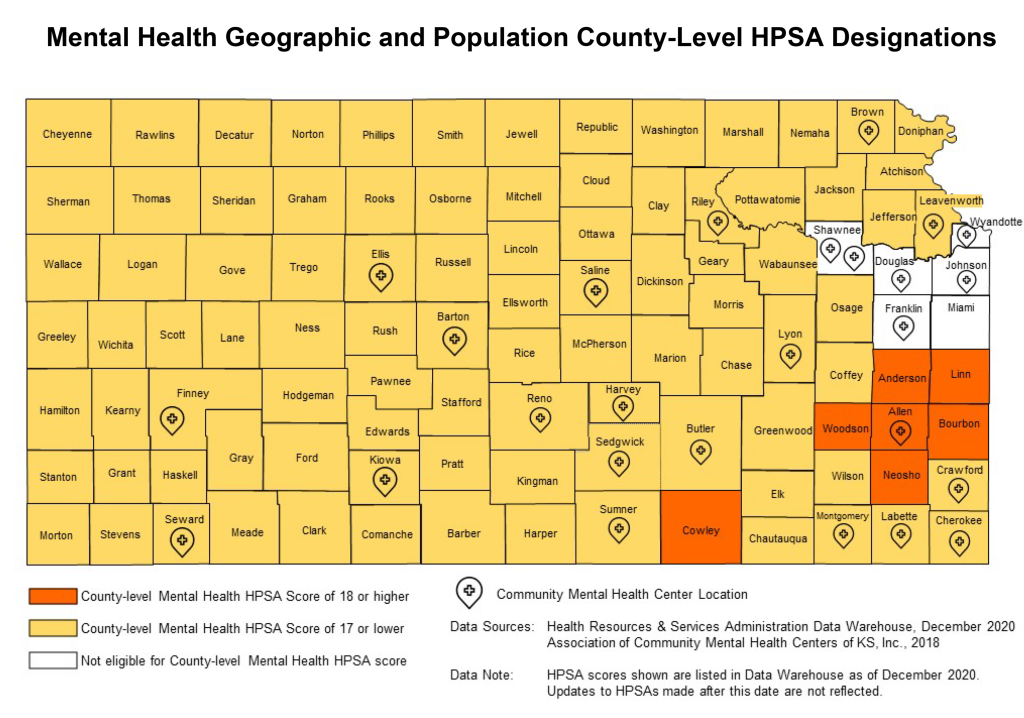
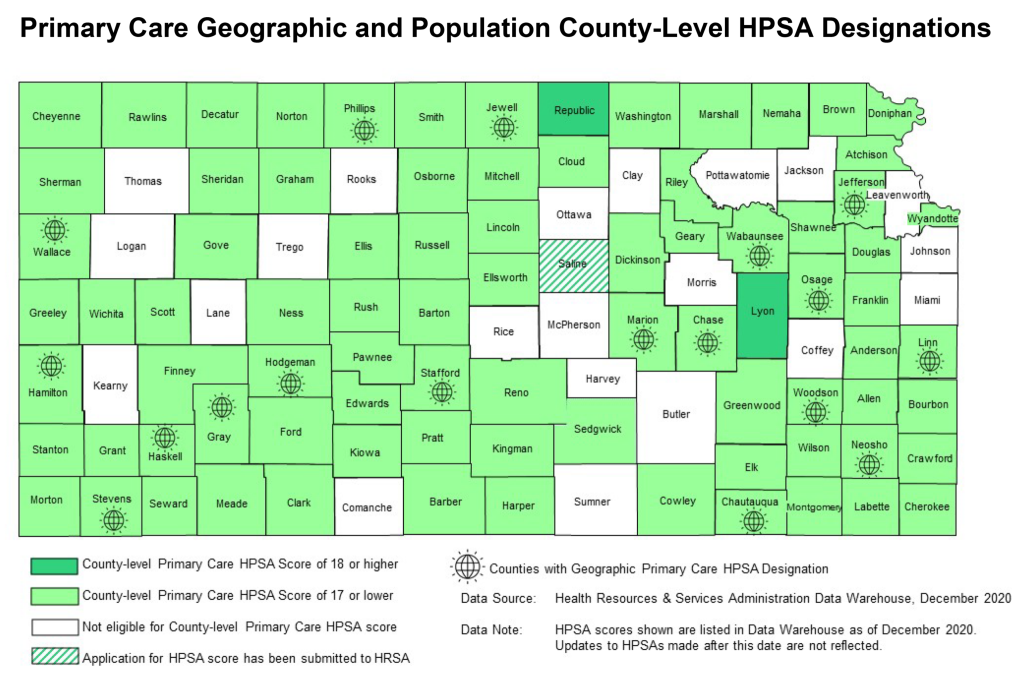
Before COVID-19, many Kansas counties already had an inadequate supply of health professionals. As the below Kansas Department of Health and Environment figures depict, the majority are considered health professional shortage areas (HPSAs) for both primary and mental health care — lacking the health professionals necessary to meet their population’s health care needs.

COVID-19 exacerbated that existing workforce challenge. In a 2021 KFF report, 3 in 10 health care workers said due to the pandemic they have considered leaving health care. Earlier this year, McKinsey and Company reported 32% of RNs surveyed in November 2021 said they may leave in the next year.

Provider retirements will create additional pressure – a Kansas Health Institute brief illustrates that in 2020, nearly 4 in 10 (39.2%) of primary care providers in Kansas were over the age of 55, rising to nearly half in some regions (45.2% in southwest Kansas and 42.5% in southeast Kansas).

Kansas lags national insurance rates, reducing competitiveness for health care professionals

Uninsured patients and resulting uncompensated care complicate financial sustainability for health systems, impacting daily operations and long-term viability of health care — especially in rural communities and communities of color.

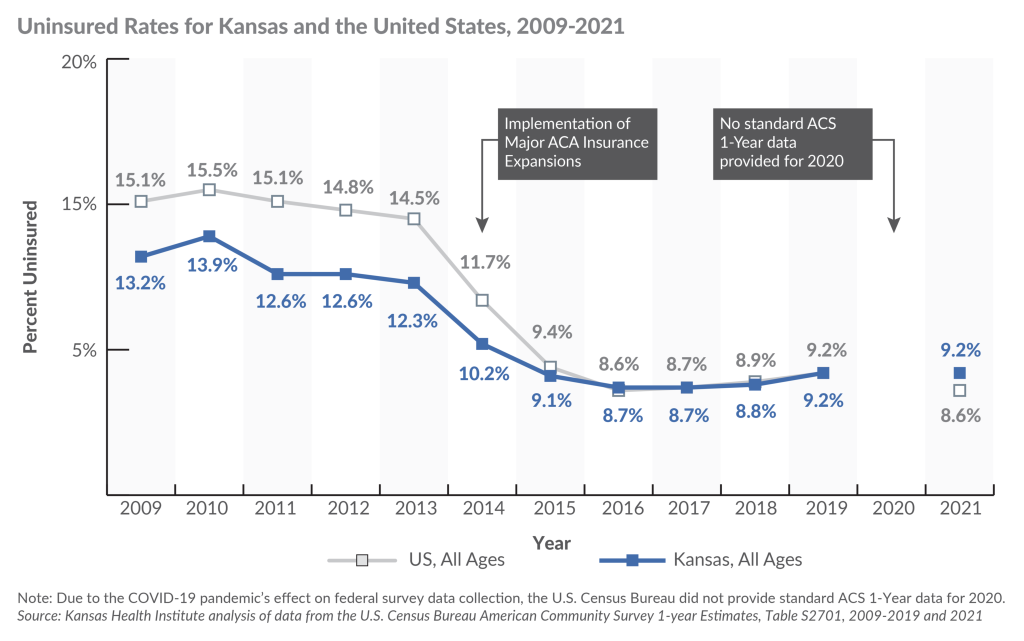
Kansas is one of 12 states that have not expanded Medicaid, evidenced in our stagnant uninsurance rate. According to KHI, as the national uninsurance rate declined to 8.6% in 2021, Kansas’  rate remained at 9.2%. This was the first time in decades our uninsurance rate exceeded the national average. The difference in 2021 primarily reflects a higher uninsured rate in Kansas versus the U.S. among working-age adults.

Historically, uninsured rates in rural counties are among the highest in Kansas. There are also significant disparities among Kansas residents by race and ethnicity. Those identifying as Hispanic or Black are more likely to be uninsured in Kansas than the United States. In Kansas, uninsurance rates were 20.3% for Hispanic residents and 14.1% for Black or African American, versus 17.7% and 9.6% U.S. averages, respectively.

Before implementation of the Affordable Care Act, Kansas boasted a better uninsurance rate than the national average but now lags.

Beyond higher-than-national-average uninsured rates, the failure to expand Medicaid negatively affects hospital finances and results in more uncompensated care. In fact, 44.3% of uncompensated care in critical access hospitals in Kansas could be eliminated by expanding Medicaid. Because Kansas has not expanded Medicaid, we have more financially vulnerable hospitals than any other state.

The high uninsured rate and financial instability make us less competitive in recruiting providers versus surrounding states that have all expanded Medicaid.

In part two of this series, we’ll move beyond the challenges and explore how Kansans are collaborating to develop innovative solutions. To learn more, visit https://communityconversationsks.com.
Kansans can play an important role in vaccine acceptance

As the COVID-19 delta variant spreads, many of our communities are unprepared and unprotected. While COVID-19 is trending in the wrong direction in Kansas and our hospitals are once again nearing capacity, as highlighted in a recent Kansas Reflector op-ed, we still have the ability to overcome this pandemic if we increase our vaccination rates.

Faith in Vaccines COVID-19 Sermon Guide and Toolkit

We can all do our part by having open and empathetic conversations with family, friends and neighbors about the vaccine and encouraging them to make a plan to get vaccinated. To help faith leaders do just that, the United Methodist Health Ministry Fund created a Faith in Vaccines toolkit and sermon series to help faith leaders support positive conversations about vaccinations.

The guide, informed by conversations with lay faith leaders across Kansas and research conducted by the de Beaumont Foundation and Missouri Foundation for Health, also can help prepare you to have meaningful, impactful and highly personal conversations about the benefits of vaccinations.

During these conversations, it’s normal for questions to arise. Faith leaders and medical professionals are trusted sources who can provide helpful information. Enlist them to help share the message about the importance of vaccines. We did. (Please feel free to use and share the videos linked below or on our YouTube page as resources.)

Bob Kraft, of Salina Family Medicine, reminds Kansans the COVID-19 vaccines are safe, tested, and free – and that vaccines are the best way to get back to normal.
Father Robert Schremmer reminds us that being vaccinated is an act of charity – making of love of neighbors real – and that “vaccines protect life: ours and others’.”

To reduce the spread of the delta variant and to help us get back to life, we all have a part to play. Commit to having open, honest conversations with loved ones about the importance and safety of vaccines. Help address their concerns and encourage them to make a plan to get vaccinated. Your time and these conversations can save lives. Together, we can increase vaccination rates and enjoy a return to normal.

Political Determinants of Health: Redistricting, Civic Engagement and Health

On August 6 at 9 a.m., join the Voter Network to learn how redistricting can impact civic engagement and how you can participate in this critical once-in-a-decade process. RSVP and Join the Conversation.

Our Faith in Democracy initiative aims to improve health by increasing civic participation.  Research highlights that the more engaged a community is in the democratic process – voting and engaging locally in policy discussions – the healthier the community. 

As a result, our vision is to ensure the democratic process in Kansas is as open and inviting as possible.

Redistricting, the once-in-10-years process of creating new districts from which we elect our representatives in Congress, the State Legislature, and local governing bodies (city council, county commission, school board), plays a critical role in ensuring each person is represented equally (one person, one vote) and that communities with similar interests have a voice in policymaking.

Next week, Kansas legislators who are leading the redistricting effort are hosting a listening tour at communities throughout the state and we wanted to share information with you to equip you to participate in the process if you’re interested.

Our Faith in Democracy Program partners at the Voter Network have partnered with groups like the League of Women Voters to develop important background information to help you understand the redistricting process in Kansas and provide tools for how you can be engaged in the process to ensure redistricting results in the best and fairest districts being created, based on input from the people who reside in them. To access the tools,  visit https://www.ksfairmaps.org/ and to register for the August 6 webinar on redistricting and the role you can play, please RSVP here.

Redistricting will play a central role in determining civic engagement and health over the next decade. Details on the redistricting listening tour can be found here and the schedule is below. We hope you can participate in Friday’s webinar

Please be in touch with questions or if we can be of assistance.

Monday, Aug. 9

  • Manhattan — 9 to 10:15 a.m., Kansas State University Student Union Ballroom, 2nd Floor, 918 N Martin Luther King Blvd.
  • Salina — 1:30 to 2:45 p.m., Kansas State University Polytechnic College Center, Conference Room, 2310 Centennial Rd.
  • Hays — 6 to 7:15 p.m., Fort Hays State University Memorial Union, Room 212, 700 College Drive.

Tuesday, Aug. 10

  • Colby — 9 to 10:15 a.m., Colby Community College Cultural Arts Center, 1255 S Range Ave.
  • Garden City — 1:30 to 2:45 p.m., Garden City Community College Tedrow Student Center, Endowment Room, 801 Campus Dr.
  • Dodge City — 6 to 7:15 p.m., Dodge City Public Library, Lois Flanagan Room, 1001 N 2nd Ave.

Wednesday, Aug. 11

  • Hutchinson — 9 to 10:15 a.m., Hutchinson Community College Stringer Fine Arts Center, Warner Recital Hall, 1300 N Plum St.
  • Wichita — 1:30 to 2:45 p.m., Wichita State University Metropolitan Complex, 1845 Fairmount St.
  • Chanute — 6 to 7:15 p.m., Neosho Community College, Room 209, Student Union, 800 W 14th St.

Thursday, Aug. 12

  • Pittsburg — 9 to 10:15 a.m., Pittsburg Memorial Auditorium, 503 N Pine St.
  • Overland Park — 1:45 to 3 p.m., Matt Ross Community Center, 8101 Marty St.
  • Kansas City – 6 to 7:15 p.m., Kansas City Kansas Community College, Upper Level, Jewell Hall, 7250 State Ave.

Friday, Aug. 13

  • Leavenworth — 9 to 10:15 a.m., Riverfront Community Center, Riverview Room, 123 Esplanade St.
  • Lawrence — 1:30 to 2:45 p.m., University of Kansas School of Business, 1654 Naismith Dr.

Prairie View Receives Project of the Year Award

We’re pleased to announce the recent presentation of our 2019 Janet Sevier Gilbreath Special Project Recognition Award to Prairie View, Inc., Newton, for its Tri-County Children’s Mental Health Project (The Children’s Project).  

The award, in honor of the Fund’s first Board chair, is presented each year to one outstanding project selected by the Health Fund Board of Directors from among all current funded projects. Prairie View, the community mental health center serving Harvey, Marion, and McPherson counties, was chosen for the award in 2020 but presentation was postponed due to COVID-19.

2019 JSG Award Presentation
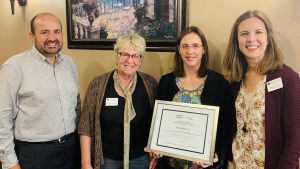
Health Fund President David Jordan presents the 2019 Janet Sevier Gilbreath Special Project Recognition Award to Prairie View, Inc. at a June 29, 2021 celebration in Newton.

Background

Research shows that early childhood, starting from before birth, is the time most important for the healthy social-emotional and brain development which provides the foundation for readiness to learn in school and success throughout life. Research also shows that supporting healthy development from the earliest ages, including identifying and addressing concerns before they become problems, achieves both the best outcomes and best return on investment.

In 2011 the Health Fund launched its Young Children’s Mental Health pilot program in a challenging environment. More children were being expelled from preschool than from the K-12 education system. Stigma issues and concerns about ‘labeling’ often prevented seeking mental health support. And there was limited individual and research focus on the interplay between nurturing caregiver relationships, healthy development, and school readiness.

The pilot program was one of the Fund’s early strategies to address these issues, through community-level approaches supporting integration of social-emotional screening for children 0-6 and maternal depression screening into medical and local community systems, along with timely referrals to effective early interventions.

Prairie View’s Tri-County Children’s Mental Health Project

In 2015, with a four-year grant under that pilot program, Prairie View began The Children’s Project to improve accessibility of screening and early treatment for young children in frontier and rural regions.

Prairie View staff worked with local physician groups to incorporate the Ages and Stages Questionnaire: Social Emotional (ASQ:SE) for children through age 6, along with Edinburgh maternal depression screenings, into office visits and to assist with referrals to services. Project staff sponsored local ASQ:SE training led by Dr. Pam Shaw, a pediatrician associated with the University of Kansas Hospital, and consistently followed up with providers to facilitate continued integration of ASQ-SE and maternal depression screening and referrals within their region. 

The program collaborated with the local early education center to use the screening and referral process to better serve children identified with social-emotional needs. During the four-year grant period, The Children’s Project completed an average of 1,099 ASQ:SE screenings of children ages 0-5 annually – representing 33% of the children in the three counties.

“We don’t want to screen the children for social-emotional development, identify they are in need of services and then have no place to send them.”

Faced with pushback from some local physicians concerned about screening children, identifying social-emotional concerns, then having no place to refer them to for needed services, Prairie View listened to those concerns and acted – hiring and training additional therapists and support staff to accommodate the increasing need.

Prairie View’s commitment to supporting the community led to continued work with community partners which resulted in availability of summer programming and evidence-based, affordable parent training and education. Further integrating early childhood social-emotional support within the community, Prairie View developed a therapeutic preschool which has had tremendous success in supporting children’s social-emotional needs to help them transition back to their early education programs – and is even housed at their early education center.

The number of children screened through this grant and development of community supports demonstrates the quality of Prairie View’s work and commitment to young children and their families.  For these accomplishments and for their leadership and service to expectant mothers, infants and young children, Prairie View, Inc. is presented the 2019 Janet Sevier Gilbreath Special Project Recognition award for their work in the Early Childhood Mental Health Project.

Representing the project at the June 29, 2021 awards ceremony in Newton were Elizabeth Guhman, PhD., Vice President, Clinical Services; Diane Peltier, Vice President, Advancement, and Nicole Stevenson, Clinician. Prairie View was chosen to receive the award in 2020 but the presentation celebration was delayed due to COVID-19.

New online education series improves access to breastfeeding and maternity care best practices

Breastfeeding plays a crucial role in the overall health of babies and mothers and demonstrates hospitals’ and birthing centers’ commitment to improving infant and maternal health.

However, one of the biggest obstacles hospitals face in working to improve maternity care and lactation support practices is staff education.  Research shows that the level of lactation education provided in medical school and nursing schools falls short of that necessary to equip their graduates to confidently support breastfeeding parents. 

Hospitals often are aware of this gap and seek to address it by providing staff education, but expense and logistical challenges present significant barriers. 

The United Methodist Health Ministry Fund, through our High 5 for Mom & Baby program, is committed to promoting breastfeeding best practices and to supporting hospitals’ efforts to ensure their staff are prepared to support parents’ breastfeeding needs and goals.

Like many hospitals, the Health Fund sees online education as an ideal solution to hospital staff achieving adequate breastfeeding training, which is why the Health Fund developed a series of online breastfeeding education modules that are available for free on Kansas TRAIN. 

The online courses can be completed at the pace and time best suiting each participant and can be done either in the facility or at home with no special space or equipment required.

The online courses were developed following requests from hospitals and hearing from doctors and nurses about the impact of these education gaps.  The good news is that High 5 for Mom & Baby was prepared to act due to a partnership with the University of Kansas and Hays Med, which offered their in-person education classes as a foundation for the online training.

Using those existing classes as a base, High 5 for Mom & Baby program coordinator Gwen Whittit created a series of virtual educational modules developed for the Kansas Train platform.

These modules follow the WHO outline for educating staff on the 10 Steps to Successful Breastfeeding. Each of the fifteen modules provides one hour or more of CNEs and all are available at no cost, accessible any time online through the Kansas TRAIN platform.

The modules are available to any hospital staff or community member.  Though geared especially toward those having basic knowledge of breastfeeding, the classes are suitable for any health professional desiring to increase their knowledge of lactation and how to support successful breastfeeding.

A list of the classes and links to Kansas TRAIN are available at https://www.high5kansas.org/resources-for-hospitals.  The first step is to create a Kansas TRAIN account at https://www.train.org/ks/welcome, which also provides a short video explaining the process. Once logged in, go to “search courses” and enter “Kansas Breastfeeding Education” to view all fifteen modules including complete titles.

We hope this new training series will help care providers more confidently address the questions and needs of breastfeeding parents throughout Kansas to help infants get the best possible start in life.  

Faith in Vaccines

A Guide for Talking to Your Congregation: Supporting Empathetic Congregational Conversations on COVID-19 Vaccination

Widespread vaccination is the key to ending the COVID-19 pandemic and enabling a return to normal life. The Health Fund supports vaccination as a safe and highly effective way to prevent diseases including COVID-19 but also recognizes that the decision to be vaccinated is a personal one, influenced by many factors and complicated by the difficulty of discerning truth amid fear and misinformation. 

Research shows that Americans trust their own doctors and faith leaders for information about COVID-19 and vaccines. Through our dedication to health and the faith community, we developed a sermon guide and toolkit – Faith in Vaccines – to help faith leaders create an open and empathetic space to start a discussion and answer questions about the effectiveness and importance of the vaccine.

The guide and toolkit includes sermon materials, resources on how to share messages about vaccine effectiveness, resources on how to connect with medical providers to share scientific data, and actions faith leaders and congregations can take to discuss the benefits of the COVID-19 vaccines and promote vaccination.

The development of the sermon guide and toolkit was informed by regional discussions held with faith-based leaders across Kansas, along with input from several organizations and individuals who shared their expertise, research and resources as part of this project. In the event it is not possible to give a two-part sermon series on the topic, we hope congregations will still find the standalone toolkit provides helpful approaches, language, and resources to use in conversations about choosing to receive the COVID-19 vaccine. Please share this site and information with others in the faith community who may benefit from these resources, and contact us with any questions.

Faith in Vaccines Social Media Tiles

Vote, for Healthy Communities

Many factors drive or determine health – how safe you feel in your community, access to parks, healthy food, high quality early learning and education, and, availability of health care providers and good paying jobs. These social factors will impact how healthy your community is and how healthy you are.

Now, more than ever, health is a life or death issue and decisions about your health are being made by elected officials. In some cases these are officials who have been elected at the local level by a very small portion of the population.

At the Health Fund, we are passionate about improving the health and wholeness of Kansans. Our work focuses on access to care, early childhood development and improving community and congregational health through the Healthy Congregations program.  To achieve these goals we’ve funded programs, worked on policy and systems change and regularly convene partners, policymakers and community members.

However, we’re increasingly learning that the more civically engaged a community is, the healthier the community. Unfortunately, Kansans are not voting in local elections at healthy levels. According to the Civic Health Index of 2016, authored by the Kansas Health Foundation and the National Conference on Citizenship, Kansas ranks just 41st in the country in adults who report they vote in local elections.  The report highlights: “Even more concerning is that certain population groups in Kansas exhibit even lower levels of political involvement, including Kansans with lower levels of income, education, and those from racial/ethnic minority backgrounds.”

With the understanding that civic participation is tied to community health and that Kansans are not politically active – especially at the local level – we see an opportunity to improve community health by improving civic engagement.  That’s why we are excited to launch Faith in Democracy, an initiative dedicated to ensuring that every Kansan is able to be an informed, enthusiastic, engaged voter.    

The Faith in Democracy Project is being led by the Voter Network – a nonpartisan nonprofit whose approach to boosting engagement includes supporting one voter in making the case to another voter that they need to be engaged in the process. 

The project is aligned with our Healthy Congregations program, which aims to support congregations’ efforts to improve health through providing tools, resources and coaching. 

As part of the Faith in Democracy initiative, we will provide tools to support our Kansas Healthy Congregations in ensuring their members are able to access the polls. The Voter Network will be providing digital resources, a sermon kit and regular information on how to support members in registering to vote, finding their polling place (or even better, in light of COVID-19, voting by mail), and knowing who is on their ballot.

The United Methodist Church has a long history working toward social justice and a deep commitment to fostering healthy communities. We know the way to ensure healthy communities is for each person to be engaged and to have a voice. And we believe voting is at the core of that engagement. We know many of you are already incorporating voter engagement through your ministry and we hope the resources available through the Voter Network and the Faith in Democracy Project will elevate your efforts.

To learn more about the project, please don’t hesitate to contact me or contact Madeline Cochran madeline@thevoternetwork.org


Health Foundations invest $1.83 million in equity, education, and health

Four Kansas nonprofit organizations have been selected as grant recipients of a new initiative to increase equity in school readiness and educational outcomes created by the Kansas Health Foundation (KHF) and the United Methodist Health Ministry Fund (Health Fund). Recipients include Kansas Breastfeeding Coalition, Metro Organization for Racial and Economic Equity, Storytime Village and Thrive Allen County.

For complete information about these grant recipients, please view the PDF version of this release.

New Poll Finds Kansas Voters Want Telehealth to Stay

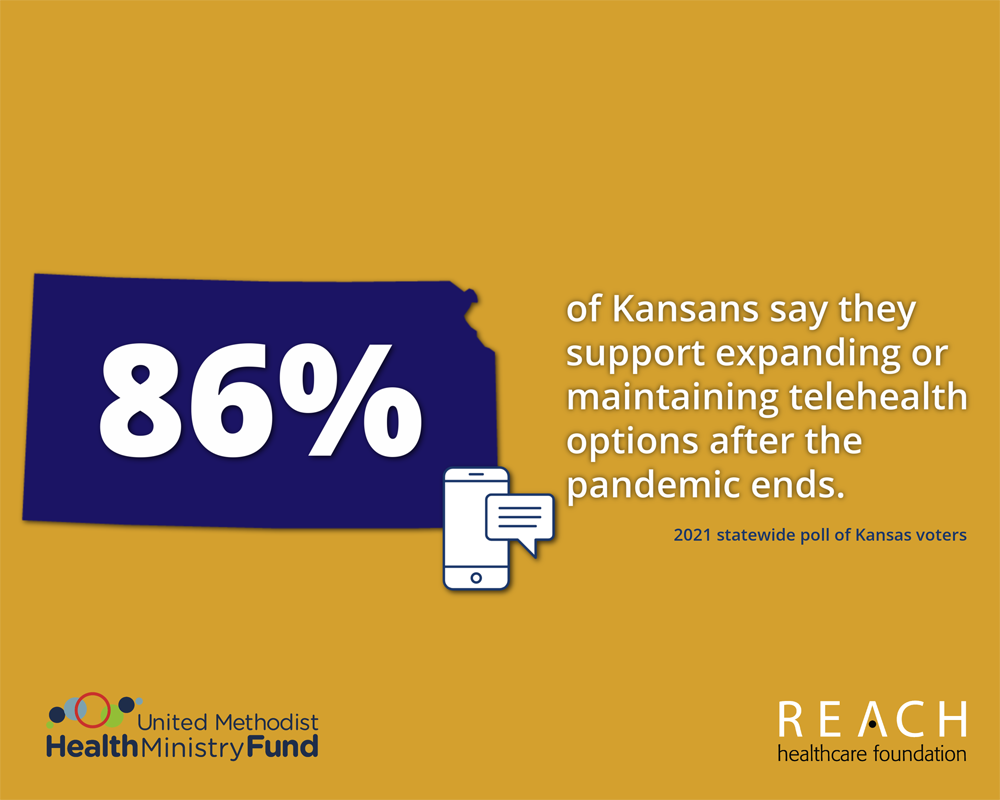
New research finds that 86% of Kansans support expanding or maintaining telehealth services to access health care after the COVID-19 pandemic ends, according to a statewide poll of voters conducted in February. In 2020, the federal government, states, and private payers lifted previous restrictions on the use of telehealth to enable safe access to health care during the pandemic. Kansas moved to temporarily expand access to telehealth early in the pandemic, but those changes, popular with consumers, are set to run out before the end of 2021.

View the Kansas Telehealth Survey Results

The poll, conducted for the Health Fund and REACH Healthcare Foundation by GS Strategy Group, found that 48% of Kansans have utilized telehealth. Nationally, prior to the pandemic, just 11% were using telehealth. Kansans said they utilized telehealth for routine check-ups, mental health needs, and medication consultations, among other services.

“Kansans have eagerly adopted telehealth and now choose it for everything from medication consultations, to annual check-ups, to regular therapy sessions. Protecting and expanding access to telehealth is a common-sense approach to ensure that Kansans continue to receive quality health care when and where they need it,” said United Health Ministry Fund CEO David Jordan.

A majority of voters say that telehealth can help to drive down health care costs without negatively impacting quality of care. Voters cited personal safety from COVID-19, access to doctors and specialists, elimination of travel, and time savings as the top reasons to use telehealth.

The Health Fund and REACH Healthcare Foundation held a stakeholder briefing March 5 to walk through research results and answer questions.

Expanding Access to Telehealth in Kansas: Results by the Numbers

The poll, which reached 800 Kansas voters, found strong support for telehealth across party lines, geographies, and ages:

  • 85% of Kansans think that telehealth has been helpful in meeting their care needs.
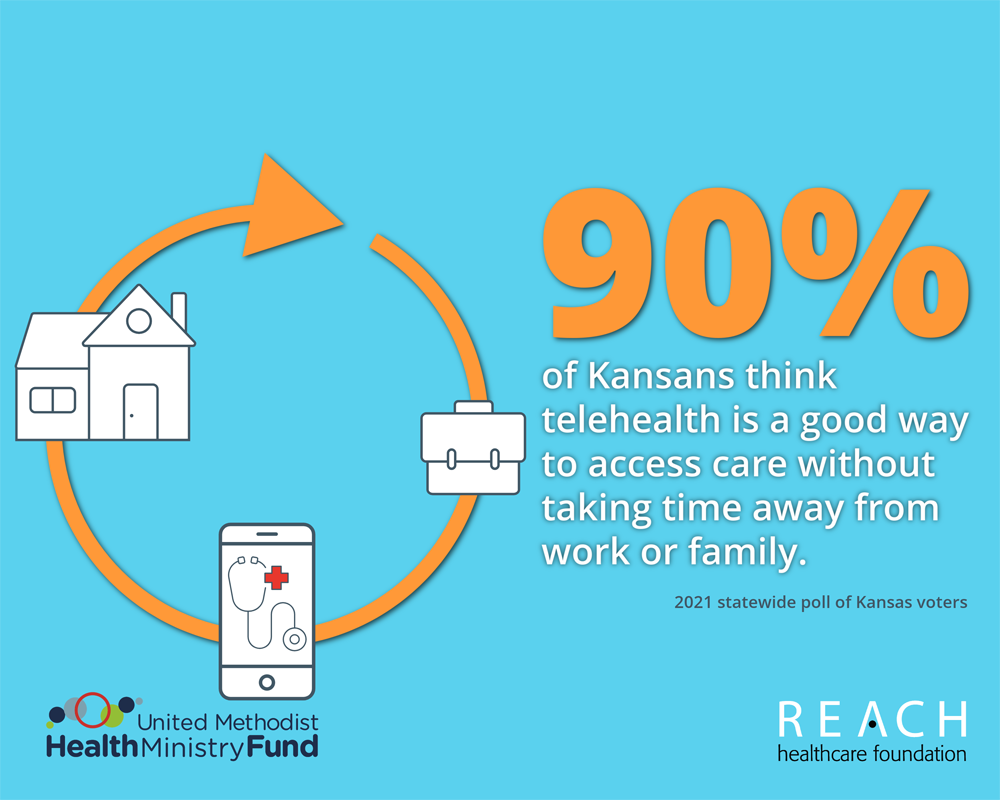
  • 90% of Kansans think that telehealth is a good way to access care without taking time away from work or family.
  • 92% of white voters and 95% of non-white voters think that telehealth should remain an option for patients beyond the pandemic.
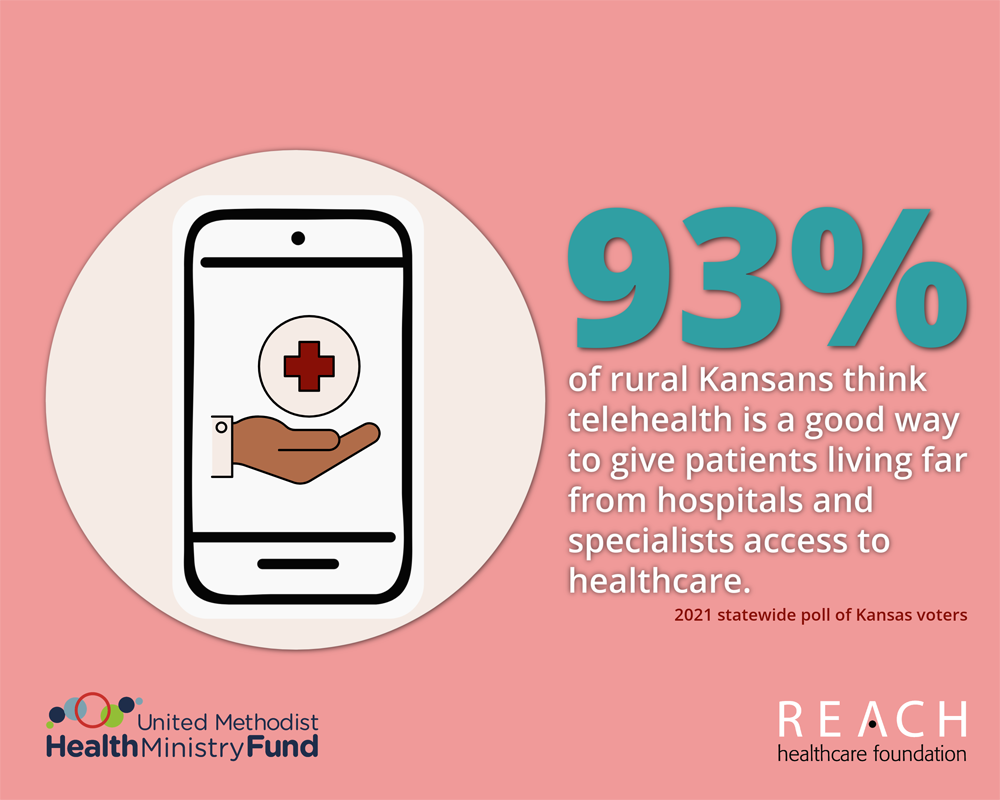
  • 93% of Kansans living in rural areas believe that telehealth is a good way to give patients who live far from major hospitals and specialists access to health care.

The study also found that when it comes to accessing care, 71% of non-white Kansans would prefer to see a doctor or health care professional who comes from their community, speaks their language, and looks like them.

“Telehealth eliminates transportation, childcare and time-off work barriers, which saves Kansans time and money. Instead of driving miles out of their way to see a specialist, they can talk to a provider on the device of their choice, from the comfort of their homes,” said Brenda Sharpe, President and CEO of the REACH Healthcare Foundation. “It’s clear that consumers overwhelmingly now want and expect the flexibility and ease of telehealth for their health care needs.” 

Most Kansans accessed telehealth services via an audio or video call from their home on their computer, laptop, or smartphone. In addition, the research found that 85% of Kansans support the continued ability to see providers from their home and on the platform or device of their choosing—something that would be eliminated if the current telehealth expansions are not continued.

This survey builds on previous research conducted by the Health Ministry Fund in conjunction with the University of Kansas School of Medicine, which showed a need to explore how to make telehealth services sustainable for providers as well as consumers.

Social Media Graphics

Press Release – Kansas Telehealth Survey Results

For more information, please contact:

David Jordan, United Methodist Health Ministry Fund, david@healthfund.org, 508.246.6825
Brenda Sharpe, REACH Healthcare Foundation, brenda@reachhealth.org, 913.568.8113

The survey was funded by the United Methodist Health Ministry Fund and REACH Healthcare Foundation, and conducted via telephone by GS Strategy Group in February 2021, with N=600 likely voters in Kansas, plus an oversample of N=200 non-white voters in Kansas, with a margin of error of +/-4%.  Full survey, methodology and findings are available upon request.

© United Methodist Health Ministry Fund