Category: News

Russell Child Development Center team receives Project of the Year award

Russell Child Development Center staff pictured from L to R: Shara Sater, Data Manager; Erika Garcia, LMSW, Early Interventionist, Social Worker and ABC Coach; Francisca Jimenez, BSN, Growing Together Home Visitor; Dannah Schatz, ABC Coach and Triple P Coach; Deanna Berry, Former Executive Director; Katrina Lowry, Early Childhood Programs Director; and Rebecca Clancy, Executive Director. Health Fund representatives from L to R: David Jordan, President and CEO; Dan Lord, Outgoing Board Chair.

Russell Child Development Center of Garden City was honored with the 2021 Janet Sevier Gilbreath Special Project Recognition Award at a May 3 celebration in Hutchinson.  The annual award, named in honor of the United Methodist Health Ministry Fund’s first chairperson, is given to one funded project each year best exemplifying the Fund’s vision of Christian health ministry and demonstrating scale, results, operational excellence, and social justice.

Russell Child Development Center (RCDC) was honored for its participation in the Kansas Attachment and Biobehavioral Catch-up (ABC) Initiative Grant, supporting implementation of an evidence-based home visiting model to build attachment and mitigate the effects of toxic stress in young children. RCDC joined the ABC initiative in 2017 and is serving 19 counties in Southwest Kansas: Seward, Greeley, Wichita, Scott, Lane, Ness, Hamilton, Kearny, Finney, Hodgeman, Stanton, Grant, Haskell, Gray, Ford, Morton, Stevens, Meade and Clark.

RCDC is known for setting high standards and working to further the project and overall initiative. They have supported multiple home visitors in achieving their certification. In 2020, two ABC home visitor staff members were trained to provide ABC-Infant (for children 6 to 24 months) and also furthered their certification to include the ABC-Toddler model (for children 2 to 4 years old). During 2021, another Spanish-speaking staff member began the ABC infant training, demonstrating RCDC’s continued commitment to serve more within their community.

When the COVID-19 outbreak reached our communities, RCDC was the first to rethink their strategy to serve families. RCDC became the first ABC site in the country to hold an ABC session via an online platform. The staff purchased earbuds and inexpensive tripods for families’ phones to make virtual visits easier and to allow the caregiver and child to be hands-free during the visit. At the time of enrollment, the RCDC staff mailed caregivers boxes of supplies that included a parent binder, copies of signed documents, and materials so the family had everything they needed for each session.

“We know who we are and why we exist. Families deserve equitable access to services no matter what is happening in the world. Our staff believes in the importance of building strong relationships with families; when you have a strong relationship with someone, you want what is best for them, you advocate for them, and you do everything in your power to help them thrive. So much of life is outside of our control, and this was harshly illustrated during the pandemic.

RCDC embraced what we could control and kept young children and families at the forefront of our decisions regarding how to best respond to the challenges presented. The young children and families in southwest Kansas deserve the best we have to offer; although not ideal, pivoting to digital services quickly and efficiently during COVID-19 ensured good things continued to happen.”
Katrina Lowry, Early Childhood Programs Director, Russell Child Development Center

During the celebration, Rainbows United of Wichita, Inc., was recognized as the 2020 recipient of the Janet Sevier Gilbreath Special Project Recognition Award. Deanna Berry, former executive director of RCDC, was honored as the 2020 Kim Moore Visionary Leadership Award winner.

Webinar: Spring into Healthy Congregations

Spring is a time of renewal for our land, for our spirits, and for our Healthy Congregations program.

This live webinar was recorded on Thursday, April 28. We discussed the 2022 Healthy Congregations renewal process, innovative ways to use your annual grant, and special grant opportunities that could increase your congregation’s health ministry.

Speakers included:

Webinar: Navigating Vaccine Hesitancy with Families

Childhood vaccination is a sensitive topic. Whether you’re discussing wellness vaccines or COVID-19 vaccines, it’s important to meet people with empathy and active listening. This webinar on navigating vaccine hesitancy with families was recorded on Tuesday, April 26, 2022.

Speakers included Dr. Gretchen Homan, president-elect for the Kansas Chapter of the American Academy of Pediatrics and former Immunize Kansas Coalition chair; Erica McGinley, nurse consultant for Child Care Aware of Kansas; and David Jordan, president and CEO of the United Methodist Health Ministry Fund.

Navigating Vaccine Hesitancy with Families webinar slides

Health Fund resources specific to COVID-19 vaccines

New certification program promises better health care experiences for Kansans

Most Americans struggle to navigate health care. They worry about how expensive the health care system is and how hard it is to understand.

We often wish someone could walk us through insurance applications or help us understand doctor’s orders. The challenges can be amplified for uninsured patients and patients whose primary language isn’t English.

Thankfully, there is growing interest in Kansas and beyond in establishing the widespread practice of community health workers to help patients navigate our complicated health system.

A community health worker (CHW) is a member of the health care team who serves as a bridge between patients and providers. They translate doctor jargon. They fill out paperwork and connect patients to needed resources. CHWs help patients overcome obstacles to seeking care, such as transportation or language barriers.

CHWs make the system work better for patients and providers, which is why the United Methodist Health Ministry Fund has invested in supporting the use of CHWs in health care settings throughout Kansas and is partnering with the Kansas Department of Health and Environment, the Health Forward Foundation and over 20 health care and community stakeholders to create certification and payment policies to establish and sustain the profession in Kansas.

CHWs Impact: Lucy’s first patient

Lucy Watie of Bob Wilson Hospital is one of approximately 500 CHWs practicing in Kansas today. As a resident of Ulysses who works at her local hospital, she is passionate about improving the health of her neighbors and community.

“One of my first referrals was a 23-year-old, obstetric patient, mother of two,” said Watie. “The client had no insurance and was considering canceling her ultrasound appointment.”

This patient’s health was impacted by more than what happened at her doctor’s office. All of us are affected by the social determinants of health—the conditions where we live, learn, work and play. This patient lived in a deteriorating apartment with two small children and very little money.

She couldn’t afford to pay for a safe place to live. Paying for an ultrasound was out of the question. Watie helped her apply for Medicaid, SNAP, and WIC. During their time working together, the patient moved from an unsafe apartment to subsidized housing, obtained a library card for internet access, enrolled in the adult learning center to work on her diploma, and established care with a dentist.

“This young lady has endured trauma in her life and been diagnosed with mental illness,” said Watie. “It’s so rewarding to see how well this client is doing since her discharge. She is happier, healthier and has become very self-sufficient.”

Working with a CHW was a lifechanging experience.

Community health workers are becoming more common in Kansas as health care organizations realize their value as part of the care team. Although CHWs improve access to services while reducing disparities and the cost of care, there are challenges to implementing them.

A 2021 study commissioned by the United Methodist Health Ministry Fund identified opportunities to expand the use of CHWs in Kansas, including standardizing education and training, and exploring alternative funding sources because most CHW positions are largely dependent on grant funding. Until now, there has been no baseline education and training to becoming a CHW in Kansas.

Certification program announced

Kansas is one of a growing number of states that are recognizing the community health worker profession by formalizing the certification process. This week, the Kansas Department of Health and Environment (KDHE) and the Kansas Community Health Worker Coalition announced the certification process, which has two pathways. Interested individuals can become a CHW by completing a KDHE-approved CHW training program or through a combination of work experience and letters of recommendation.

The decision to move forward with the state certification process is the result of workgroup recommendations made by a group of health care professionals including providers, payers, community health advocates, and community health workers, convened by KDHE and the United Methodist Health Ministry Fund, with support from the Health Forward Foundation, that explored the role of community health workers in Kansas, a certification process and sustainability issues—including Medicaid payment policy. The group continues to work collaboratively to explore sustainability issues.

As momentum and support for the profession grows in Kansas and nationally, the state of Kansas has recently received two grants to support the use and deployment of nearly 100 community health workers to help Kansans navigate the health care system and challenges resulting from the COVID-19 pandemic.

Through return on investment, community health workers actually pay for themselves. They reduce reliance on emergency care and increase primary care use. A 2020 study at Penn Medicine found each dollar invested in their CHW program would have a $2.47 return on investment to an average Medicaid payer within the fiscal year.

To become a sustainable part of patient-centered health care, the next challenge to overcome will be creating sustainable funding for CHW positions. The 2021 research study found that more sustainable funding options could include Medicaid, service reimbursement strategies, and other innovative and unique payment ideas. Integrating CHWs into a care team can also create new possibilities for funding.

What’s clear is that CHWs can improve health and bring down costs. Recognizing the profession through a certification process is an important step forward. Establishing sustainable financing will ensure better patient care and reduce costs for providers and payers, like state Medicaid programs.

Resources

Black maternal health crisis conversation

Among industrialized countries, the United States has the highest maternal mortality rate. In Kansas, the maternal mortality rate is 14.8—meaning 14.8 women die for every 100,000 live births. Black women are more likely to die than white or Hispanic women.

Dr. Sharla Smith of the Kansas Birth Equity Network joined Health Fund CEO David Jordan for a conversation on the Black maternal health crisis.

Conversation with Dr. Sharla Smith of the Kansas Birth Equity Network

“Black women are two to three times more likely to die of childbirth-related issues than white women,” said Dr. Smith. “We’re seeing that crisis happen in the absence of the social determinants of health. So, Black women from the wealthiest communities still have worse outcomes. Black educated women still have worse outcomes than all other women.”

Postpartum coverage extension is great news for Kansas families

Through its new budget, Kansas is taking an important step in improving maternal and infant health outcomes. Today, Governor Laura Kelly signed the new budget bill which contains funding for extending postpartum KanCare (Medicaid) coverage from 60 days to 12 months. 

More than 30% of Kansas births are covered by KanCare. Extending postpartum coverage will allow mothers to access early interventions and coordinated care, preventing postpartum complications that arise more than 60 days after delivery. Now more mothers will have health insurance and access to care in the first full year postpartum when the mother is still at risk for complications, including pregnancy-related death. 

In response to the COVID-19 public health emergency, a temporary federal expansion of postpartum benefits to 12 months has allowed mothers to access or continue accessing health care and mental health services that provide both mother and child with a healthier start to life. A significant aspect of these improved health outcomes results from mothers being able to access early interventions and coordinated care, preventing postpartum complications that arise more than 60 days after delivery and keeping chronic conditions from worsening due to early identification and intervention.  

Last year, the United Methodist Health Ministry Fund (Health Fund) and 28 partners urged the Kansas Legislature to permanently extend postpartum coverage.   

“We commend Governor Kelly and the Kansas Legislature for extending postpartum KanCare coverage to 12 months,” said David Jordan, president and CEO of the Health Fund. “This will positively impact 9,000 Kansas mothers each year—reducing maternal mortality, improving health outcomes, and reducing disparities.” 

Extended postpartum KanCare is an important step toward improved health for mothers. We need to remain attentive to and advocate for mothers’ access to quality physical and mental health care in all Kansas communities. 

Related Materials 

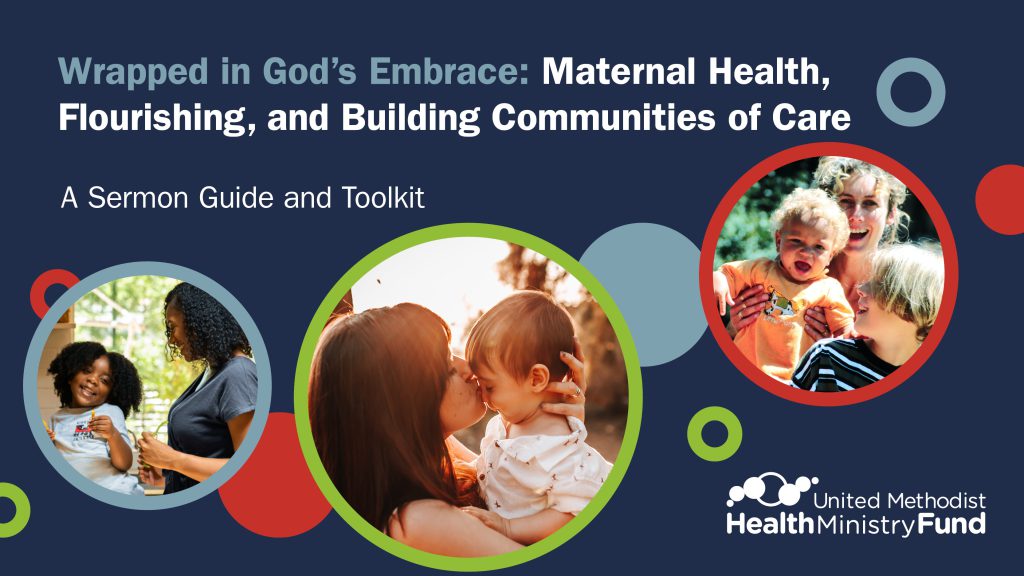
Wrapped in God’s Embrace: Maternal Health, Flourishing, and Building Communities of Care

The United Methodist Health Ministry Fund (Health Fund) is pleased to release a maternal health sermon guide. The Health Fund is committed to supporting the health and wholeness of all Kansans, including mothers. Maternal health intersects with two of our priority focus areas: Access to Care and Early Childhood Development.

Maternal and child health are early indicators of future public health challenges, which is why it is critical for mothers and children to have the healthiest start to life. Healthy mothers are important to building healthy families, but mothers often face mental and physical health issues that, without timely support and care, can impact not only their own well-being and quality of life but also present additional hurdles to the work of caring for children and loved ones. Infrastructure, supports, and communities of care for mothers are necessary for all Kansans to have the best start in life.

Research shows supporting a strong start to life for mothers and babies and investing early creates not only the best health outcomes, but also the greatest return on investment. At the Health Fund we are committed to ensuring mothers and our youngest Kansans enjoy nurturing family environments, so they are primed for healthy lives.

Beyond supporting program and policy investments, we want to create a loving and caring environment that supports maternal health, which is why we created this sermon guide.

This sermon guide, Wrapped in God’s Embrace: Maternal Health, Flourishing, and Building Communities of Care, acknowledges the vocation of motherhood and its impacts on family and community life. When considering maternal health, consider it as all issues related to the well-being of persons who give birth and/or take on the labor of motherhood in the lives of children. These issues include reproductive health, preventive care, mental health services, and emotional support services for mothers, as well as the points at which children’s health intersects with maternal health. This sermon guide will challenge readers to take a closer look at how mothers and their children are supported inside and outside of the church and the ways a child’s health is tied closely to their parent’s health and access to health care.

Through interpretative principles, this guide will address the often unseen struggles of motherhood, identify biblical text that will empower mothers, and will ultimately encourage readers to advocate and support for the health and legacy of motherhood and the well-being of the next generation.

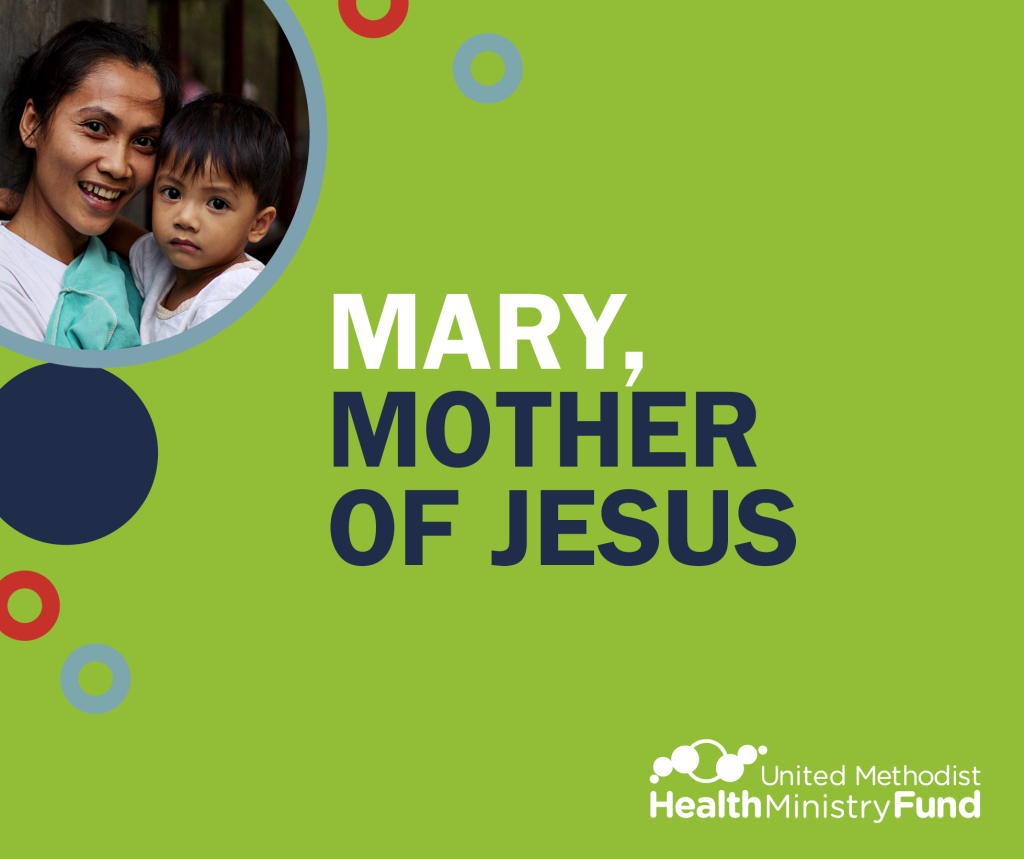
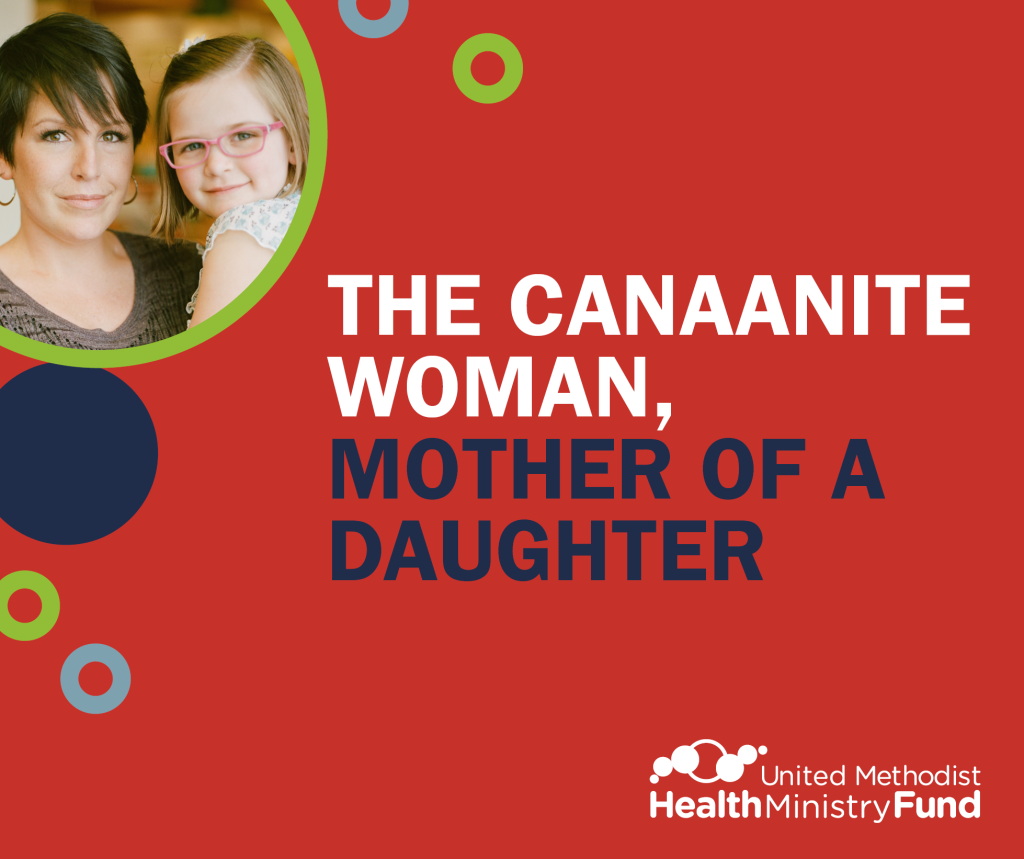
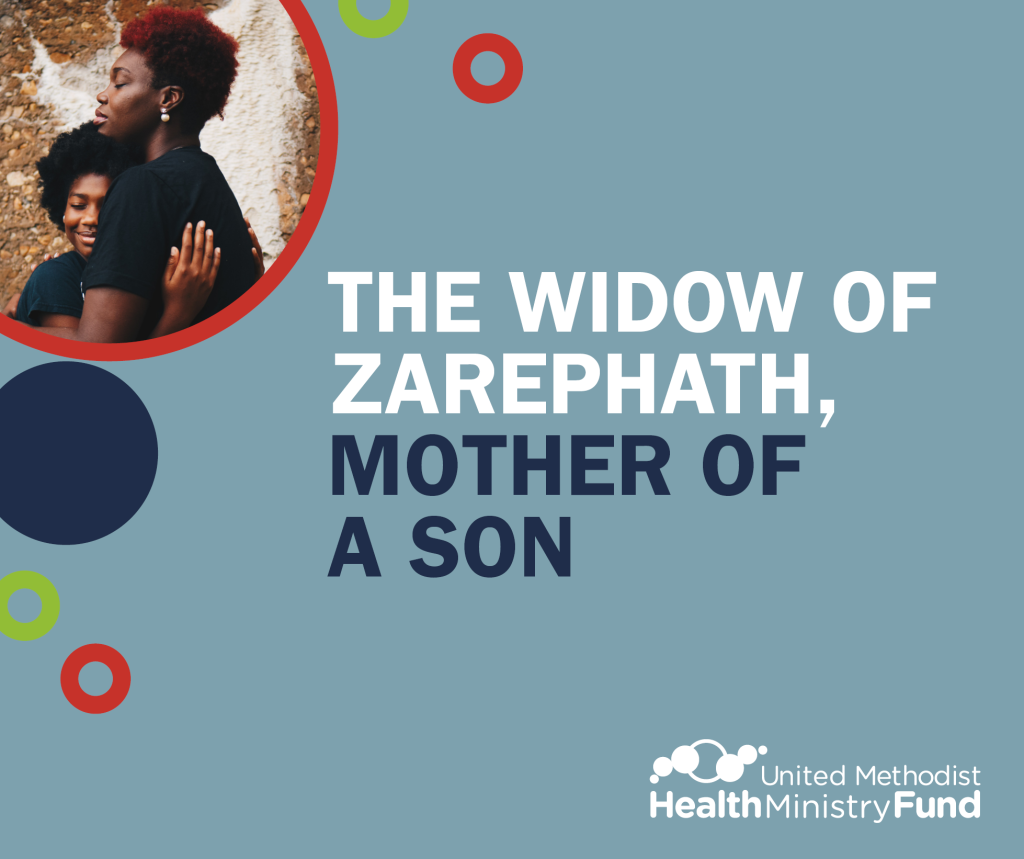
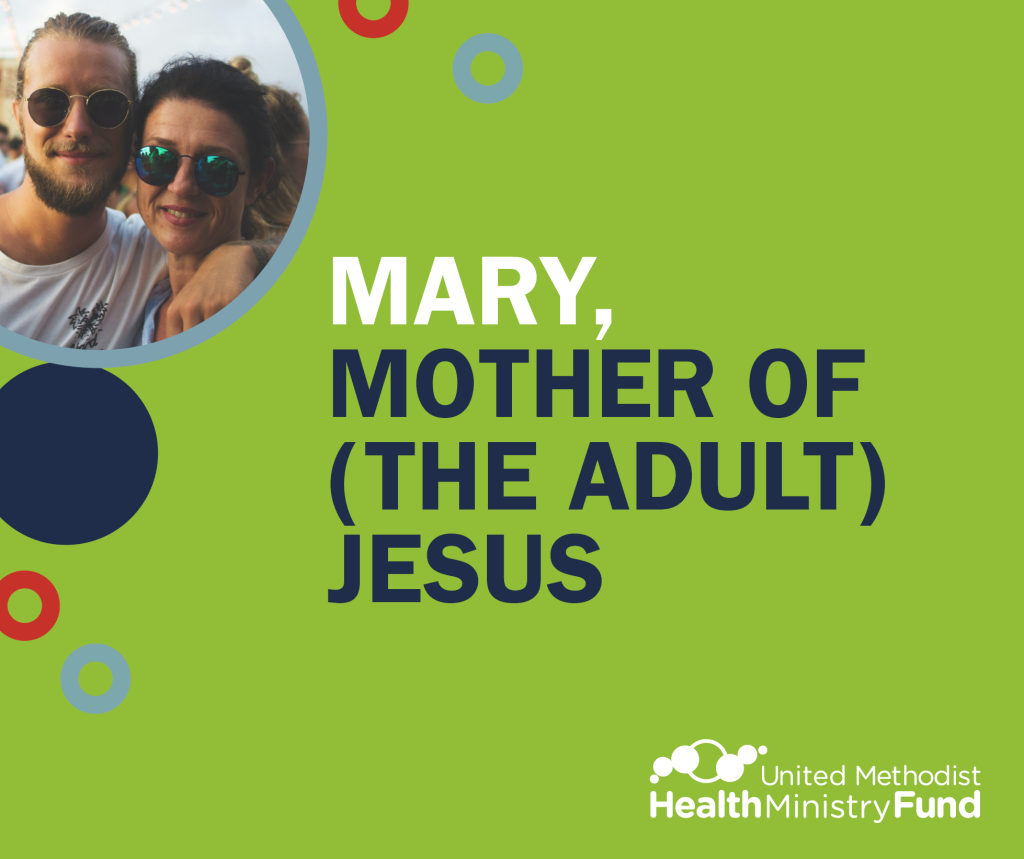
Each week includes a call to worship, hymn selections, children’s sermon, call to action, and benediction, in addition to an exegesis and sermon notes section based on the week’s scripture passage. Week 1 introduces Mary’s birth story in the Gospel of Luke as a window into postpartum health and the supports women need in the first hours, days, and weeks of motherhood with a new child. Week 2 centers around the Canaanite Woman and the work of mothers as advocates for the well-being of the family, followed by Week 3 in which we witness how God guides Elijah, the Widow of Zarephath, and her son to form a community of care in the midst of hardship and crisis. The guide concludes in Week 4 with a return to Mary the Mother of the adult Jesus who, as a grown child, shows the fruit of secure attachment in early childhood.

We’d love to hear from you! Did you use the sermon guide and/or toolkit? Would you be willing to share your feedback and experiences? Questions or suggestions? Please email us at hcnews@healthfund.org.

Resources in this sermon guide

Week 1

Week 2

Week 3

Week 4

Social Media Tiles

Below are social media tiles to help you promote the series. We would love to know if you use the guide—please tag us on Twitter or Facebook (@umhealthfund).

Facebook

Twitter

2022 High 5 for Mom & Baby Premier recognition

Breastfeeding plays a crucial role in the overall health of babies and mothers and demonstrates hospitals’ commitment to improving infant and maternal health.

The United Methodist Health Ministry Fund, through its High 5 for Mom & Baby program, is committed to promoting breastfeeding best practices and to supporting hospitals’ efforts to ensure their staff are prepared to support parents’ breastfeeding needs and goals.

Twenty-two Kansas hospitals’ commitment to improving infant and maternal health has earned them recognition through High 5 for Mom & Baby Premier. These facilities follow all ten of the evidence-based High 5 for Mom & Baby practices. This is the largest number of hospitals to earn the highest level of High 5 for Mom & Baby recognition since the program was introduced.

High 5 for Mom & Baby Premier provides training, resources, and a framework to help Kansas hospitals and birth facilities implement ten evidence-based practices proven to support successful breastfeeding, improving maternal and infant health outcomes while also reducing racial and ethnic health disparities.  

To obtain High 5 for Mom & Baby Premier recognition, each facility must complete a voluntary, self-reported evaluation and follow all ten of the evidence-based High 5 for Mom & Baby practices: 

  1. Facility will have a written maternity care and infant feeding policy that addresses all ten High 5 for Mom & Baby practices supporting breastfeeding 
  2. Facility will maintain staff competency in lactation support
  3. All pregnant women will receive information and instruction on breastfeeding
  4. Assure immediate and sustained skin-to-skin contact between mother and baby after birth
  5. All families will receive individualized infant feeding counseling
  6. Give newborn infants no food or drink other than breastmilk unless medically indicated
  7. Practice “rooming in” – allow mothers and infants to remain together 24 hours a day
  8. Families will be encouraged to feed their babies when the baby exhibits feeding cues, regardless of feeding methods
  9. Give no pacifiers or artificial nipples to breastfeeding infants
  10. Provide mothers options for breastfeeding support in the community (such as a telephone number, walk-in clinic information, support groups, etc.) upon discharge 

For a list of the 18 additional Kansas hospitals that maintain at least five of the evidence-based practices above and are recognized as High 5 for Mom and Baby facilities, visit https://www.high5kansas.org/. For more information on High 5 for Mom & Baby, contact Cara Gerhardt, Program Coordinator: coordinator@high5kansas.org.

2022 High 5 for Mom & Baby recognition

Breastfeeding plays a crucial role in the overall health of babies and mothers and demonstrates hospitals’ commitment to improving infant and maternal health.

The United Methodist Health Ministry Fund, through its High 5 for Mom & Baby program, is committed to promoting breastfeeding best practices and to supporting hospitals’ efforts to ensure their staff are prepared to support parents’ breastfeeding needs and goals.

Eighteen Kansas hospitals’ commitment to improving infant and maternal health has earned them recognition through High 5 for Mom & Baby.

High 5 for Mom & Baby provides training, resources, and a framework to help Kansas hospitals and birth facilities implement five or more evidence-based practices proven to support successful breastfeeding, improving maternal and infant health outcomes while also reducing racial and ethnic health disparities.  

To obtain High 5 for Mom & Baby recognition, each facility must complete a voluntary, self-reported evaluation and follow five or more of the evidence-based High 5 for Mom & Baby practices: 

  1. Facility will have a written maternity care and infant feeding policy that addresses all ten High 5 for Mom & Baby practices supporting breastfeeding 
  2. Facility will maintain staff competency in lactation support
  3. All pregnant women will receive information and instruction on breastfeeding
  4. Assure immediate and sustained skin-to-skin contact between mother and baby after birth
  5. All families will receive individualized infant feeding counseling
  6. Give newborn infants no food or drink other than breastmilk unless medically indicated
  7. Practice “rooming in” – allow mothers and infants to remain together 24 hours a day
  8. Families will be encouraged to feed their babies when the baby exhibits feeding cues, regardless of feeding methods
  9. Give no pacifiers or artificial nipples to breastfeeding infants
  10. Provide mothers options for breastfeeding support in the community (such as a telephone number, walk-in clinic information, support groups, etc.) upon discharge 

For a list of the 22 additional Kansas hospitals that maintain all ten of the evidence-based practices above and are recognized as High 5 for Mom and Baby Premier facilities, visit https://www.high5kansas.org/. For more information on High 5 for Mom & Baby, contact Cara Gerhardt, Program Coordinator: coordinator@high5kansas.org.

Webinar: Community Health Workers – Strengths, Challenges, Opportunities

The American health care system is expensive and difficult for patients to navigate. Even insured patients worry about the costs of care. Most patients believe providers should consider if social determinants of health are impacting patients’ health, such as concerns regarding food, housing or transportation.

Community health workers (CHWs) address patient health care struggles and are an important part of a patient’s experience. CHWs bridge the gap between patients and providers, explaining what providers mean and what the next steps are. They connect patients with resources and help them overcome obstacles to seeking care, such as transportation or a lack of insurance. Health care organizations are realizing the importance of investing in CHWs.

Webinar: Community Health Workers – Strengths, Challenges, Opportunities

Community health workers (CHWs) play an important but little-known role in health care. The Health Fund hosted a webinar on April 21, 2022 focused on CHW certification as well as strengths, challenges, and opportunities for community health workers in Kansas. The webinar can be viewed at the link above.

The webinar included:

  • Sarah Jolley of Wichita State University shared findings from a research report on the role of community health workers in health care
  • Kansas Department of Health and Environment detailed its CHW project and the new CHW certification
  • Community health workers and employers spoke on the role CHWs play in patient care

Resources:

Hear their stories

To increase awareness of the value of community health workers, the Health Fund and the Wichita State University Community Engagement Institute have produced a series of short videos highlighting the role of community health workers and their contributions to addressing chronic conditions, health accessibility, and health outcomes. The videos also discuss the importance of reimbursement of services and the return on investment to organizations.

The importance of CHWs

Community health workers bridge the gap between the client and health care provider. Medical information can be confusing or even intimidating. Interpreting medical information for patients influences health outcomes.

Community health workers are the point where health care sort of ends traditionally and extends out into the community or even their home,” said Dennis Dunmyer, COO of KC CARE Health Center. “They help people understand a lot of what the other health care professionals are saying and they help translate for our patients what the next steps are.”

Providers agree that including community health workers in care teams helps patients achieve better outcomes.

“I really think that every health care team and every community-based organization team could benefit from having a community health worker present. I see that my patients are able to follow up with instructions, they are able to get more resources, [and] they are able to live healthier lives because of what our community health workers do,” said Erin Corriveau, MD, University of Kansas Health System.

Community health workers help patients manage chronic conditions.

“A lot of times people with chronic conditions don’t actually feel bad…so it’s confusing as to why they have to take medication every day when they feel fine or why they have to see the doctor a few times a year,” said Dunmyer. “Community health workers can help a lot with education and help people understand why those things are important.”

“One of the main focuses of community health workers is how can we prevent this condition or this situation from ending up in the ER or urgent care,” said Kevin Ochoa, a community health worker. “That all starts with showing our clients how to self-manage their chronic conditions.”

A 2020 study at Penn Medicine found each dollar invested in their CHW program would have a $2.47 return on investment to an average Medicaid payer within the fiscal year. Although CHWs bring great value, a barrier to including CHWs on the health care team is reimbursement.  

“For this type of work to continue and to be sustainable, it is critically important to be reimbursed by payers. There have been a number of studies that have demonstrated a return on investment,” said Karen Braman, senior vice president of the Kansas Hospital Association. “It really is critical that community health worker services be reimbursed so they can take advantage of this additional layer of services for patients.”

© United Methodist Health Ministry Fund